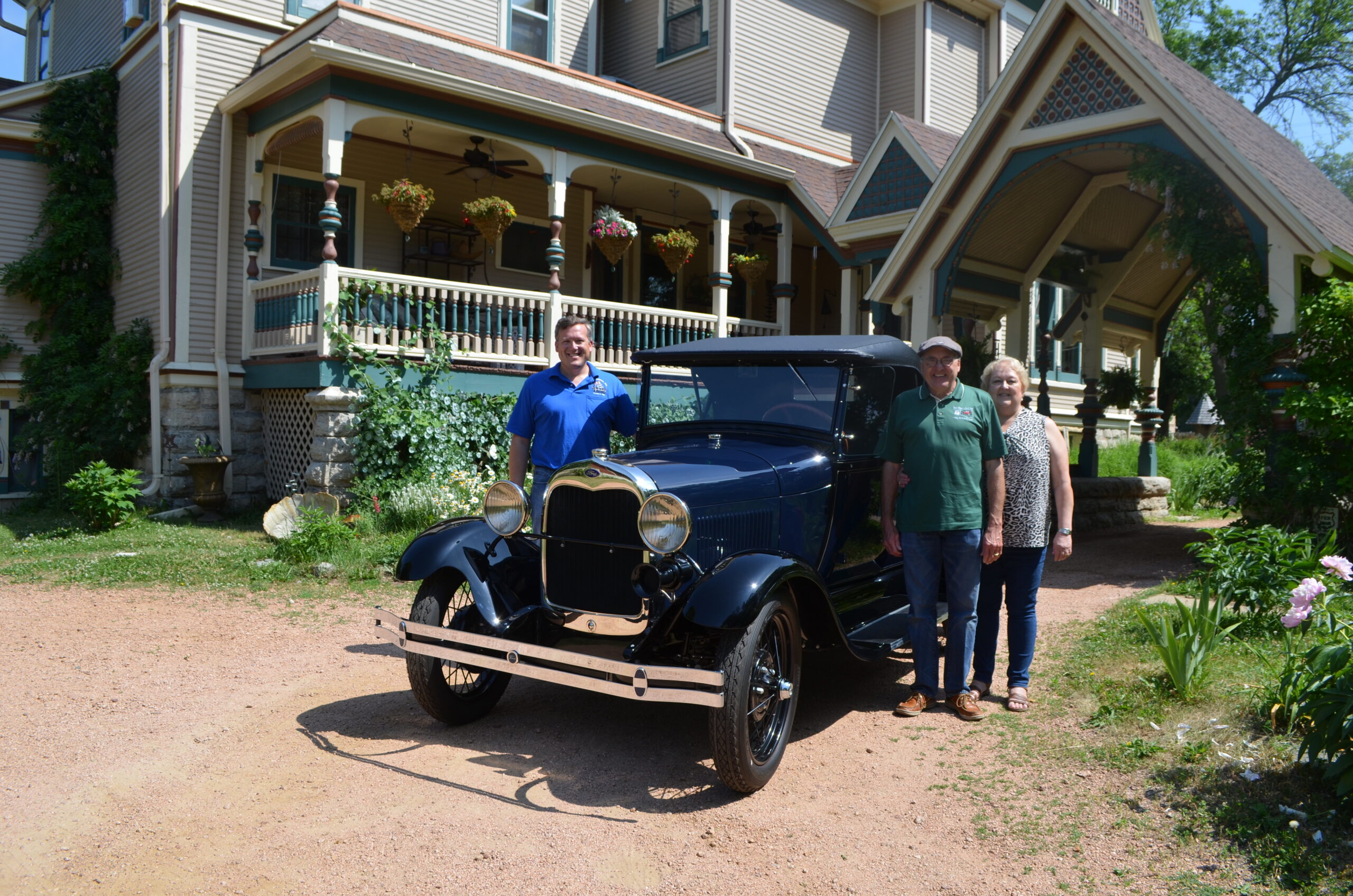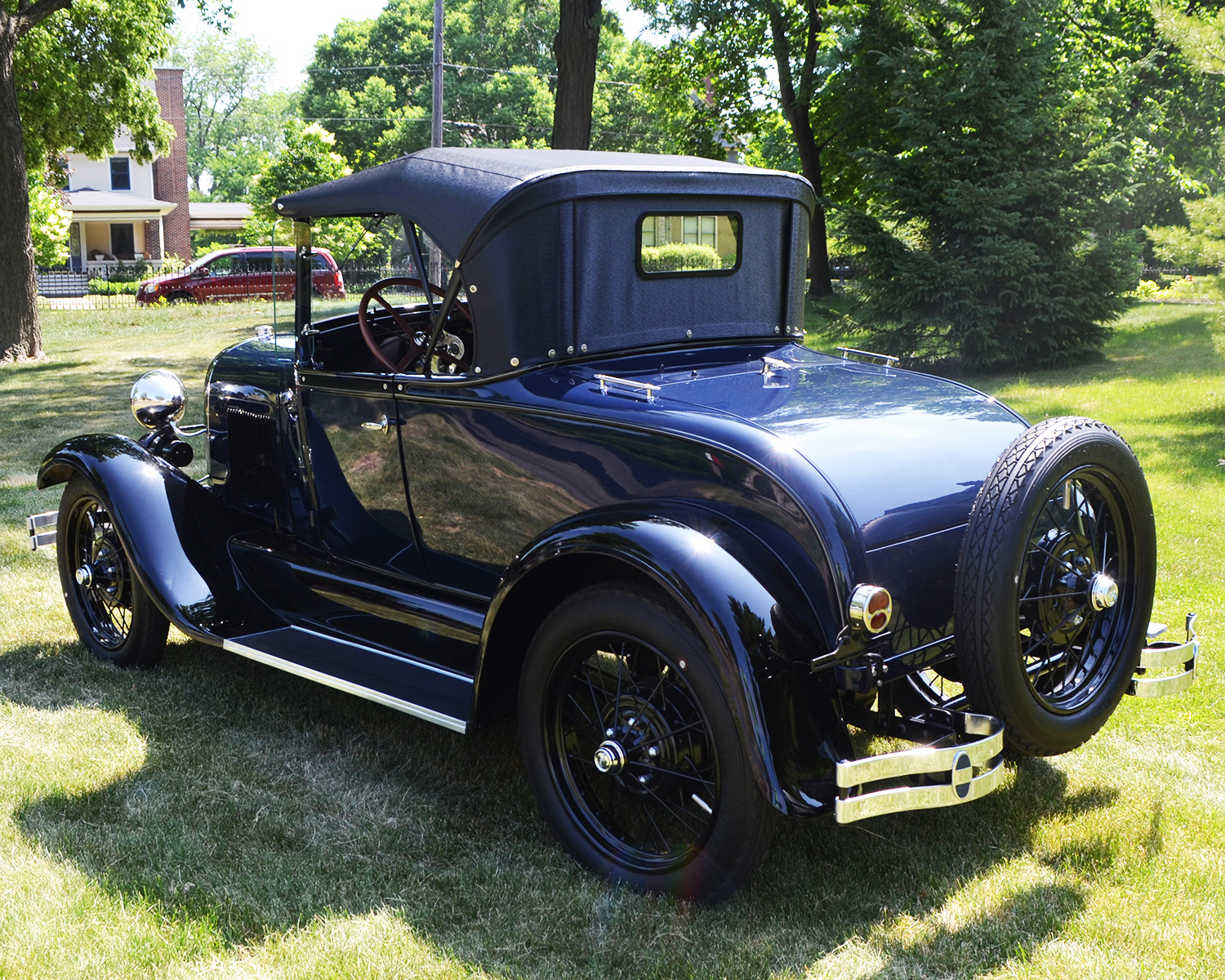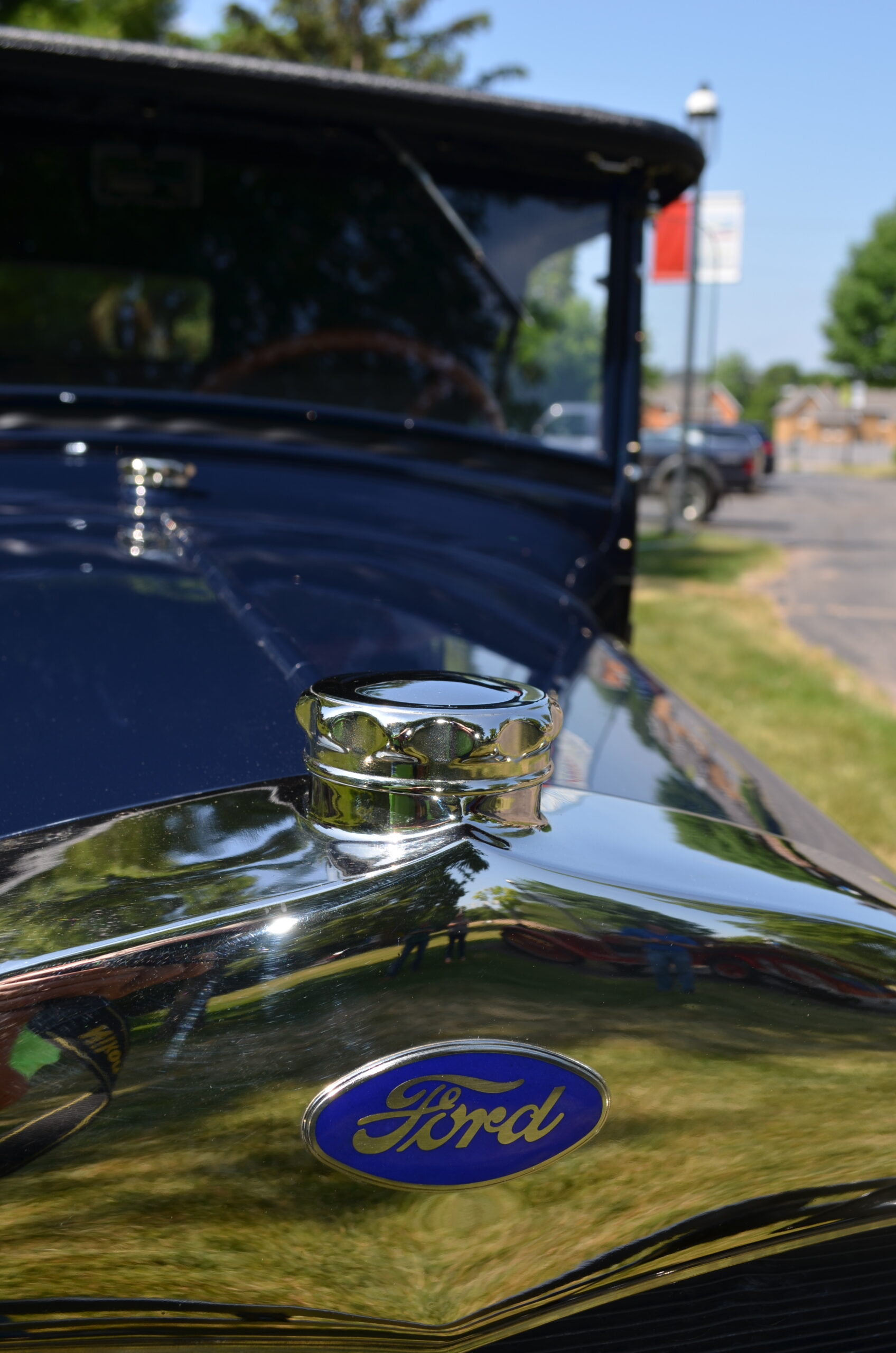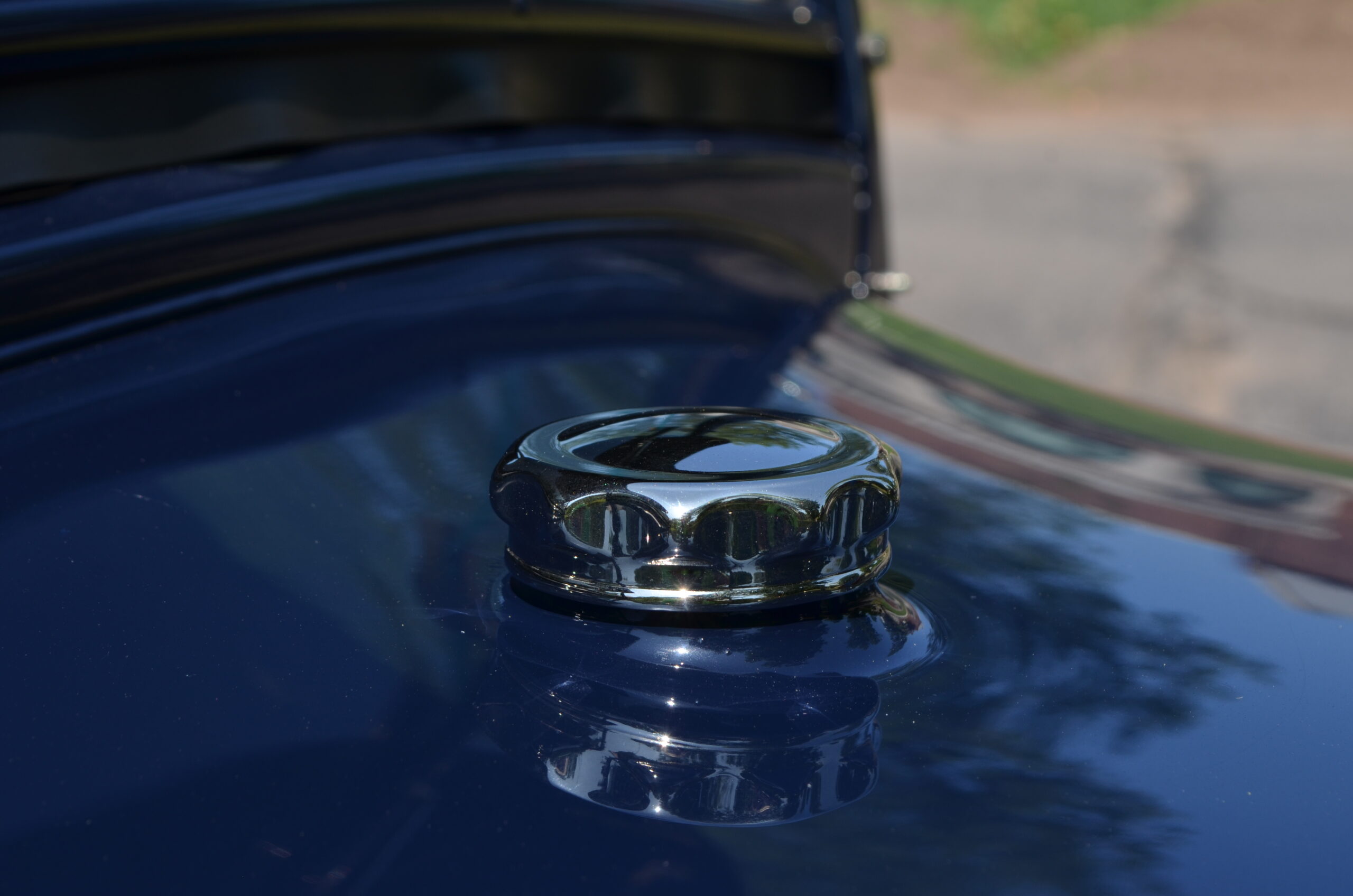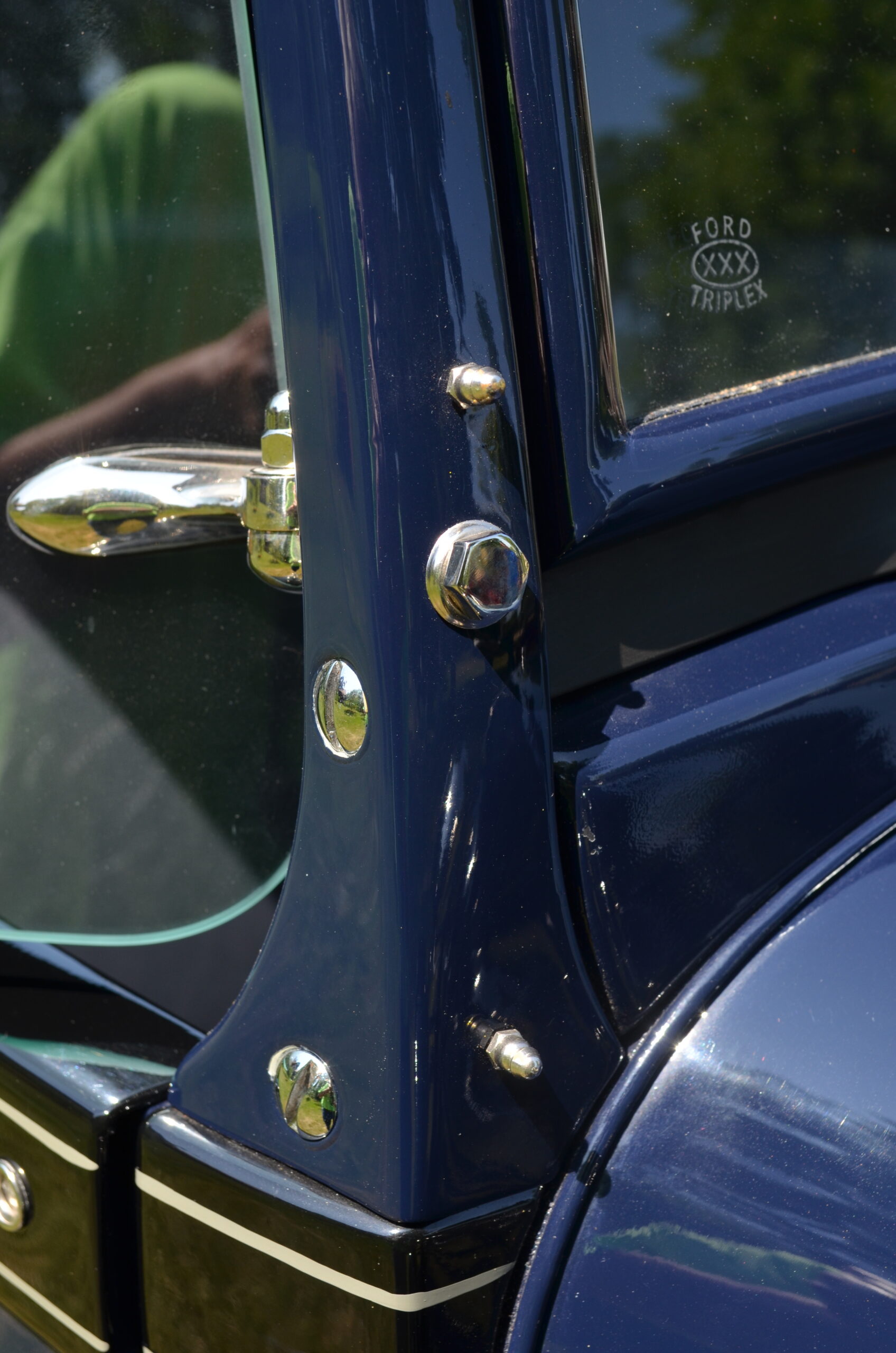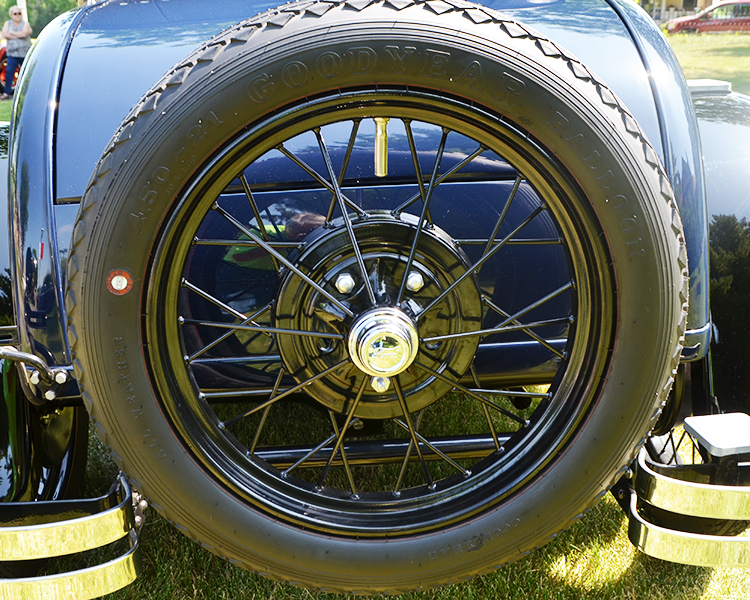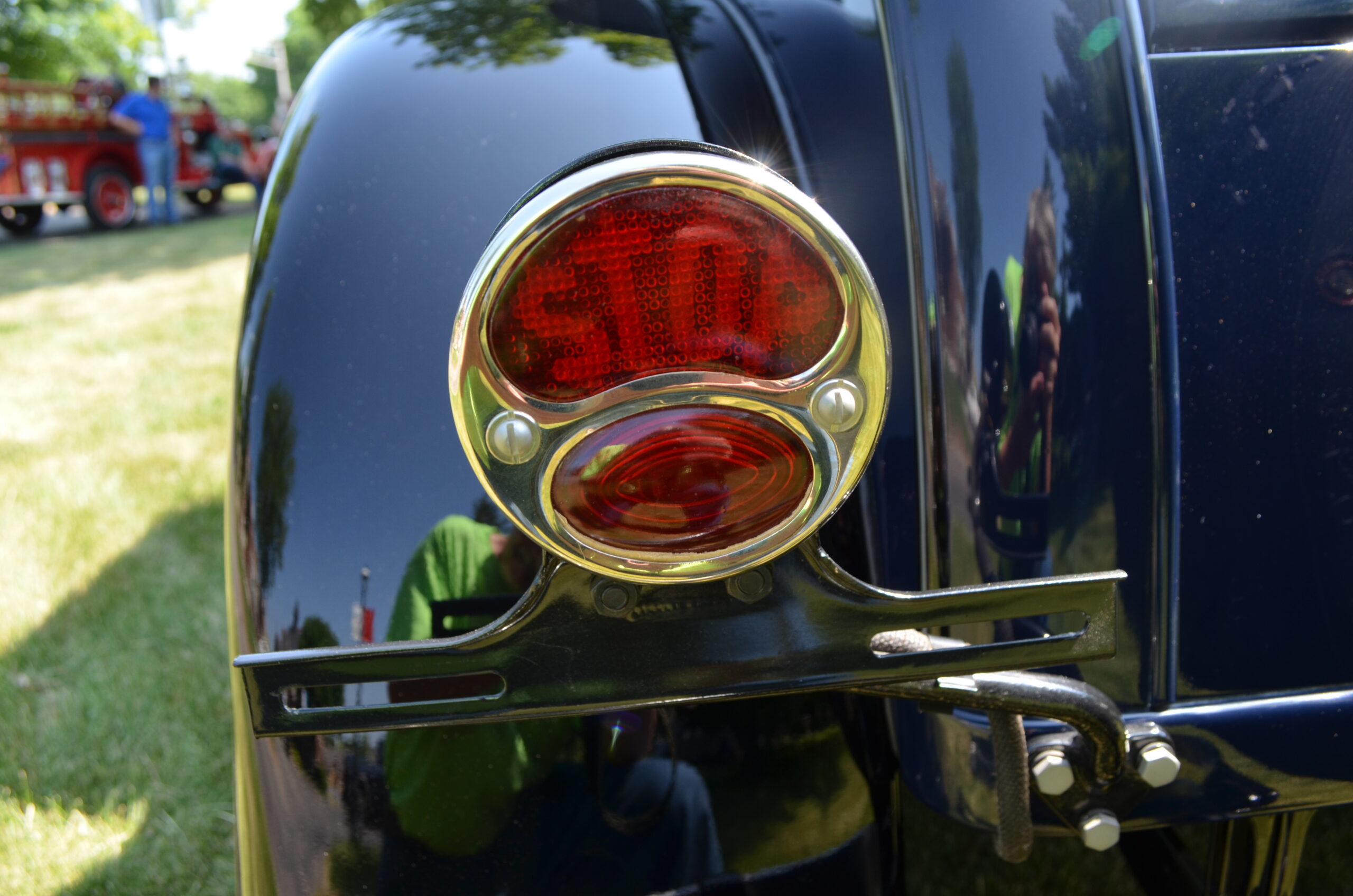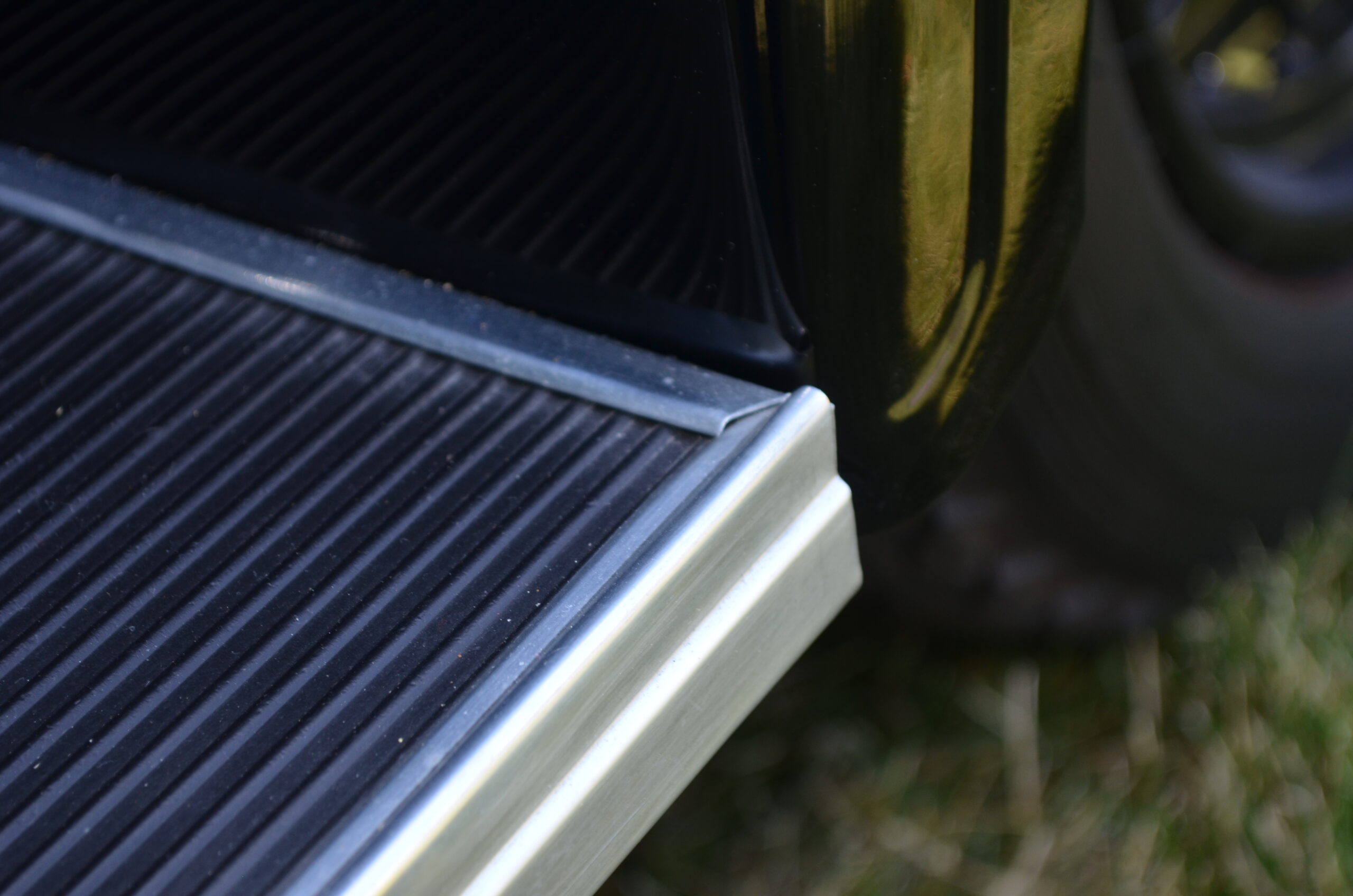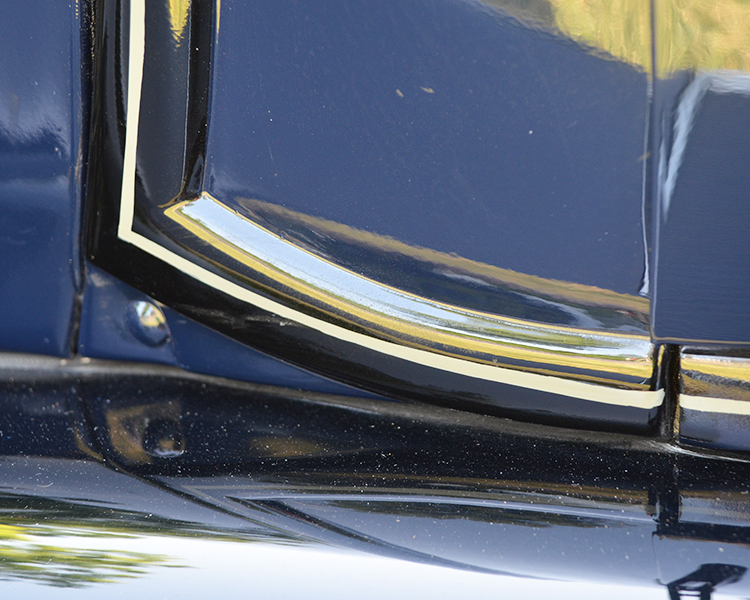

 The Duvall’s and their 1929 Roadster
Our Family Project: A January 1929 Roadster
By: Mitchell DuVall
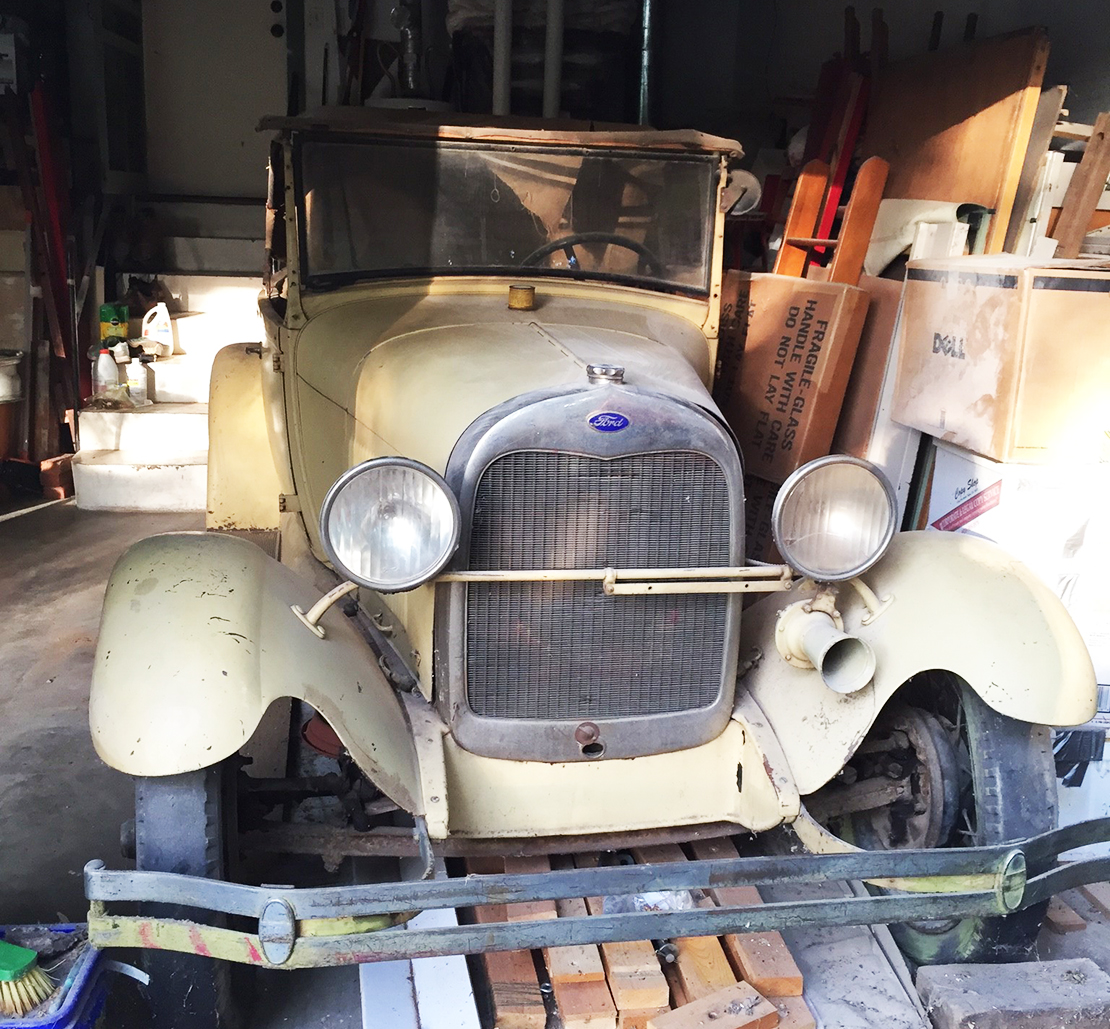
Eva Patrick Manhart purchased her Roadster in early 1929 in Castle Rock, Colorado after it was assembled at the Denver plant. She had a Ford authorized heater installed due to the harsh winters, and in 1931 she took it back to the dealer to have a “B” head installed. In 1939, Eva and her husband, Henry, moved to Tulsa, Oklahoma, and brought the car with them. Eva’s sons, Pat and Tom, both drove the car to college at the University of Tulsa in the mid 1950’s, and Tom hand brushed the car yellow and blue to match the school colors for the homecoming parade. The Roadster was parked in 1956 due to a cracked piston, and it slept inside a garage in midtown Tulsa with 57,000 miles a mere four miles north of where my son, Chris, now lives. Eva must have really loved her Roadster because even to this day, the family referred to it as Eva’s car.
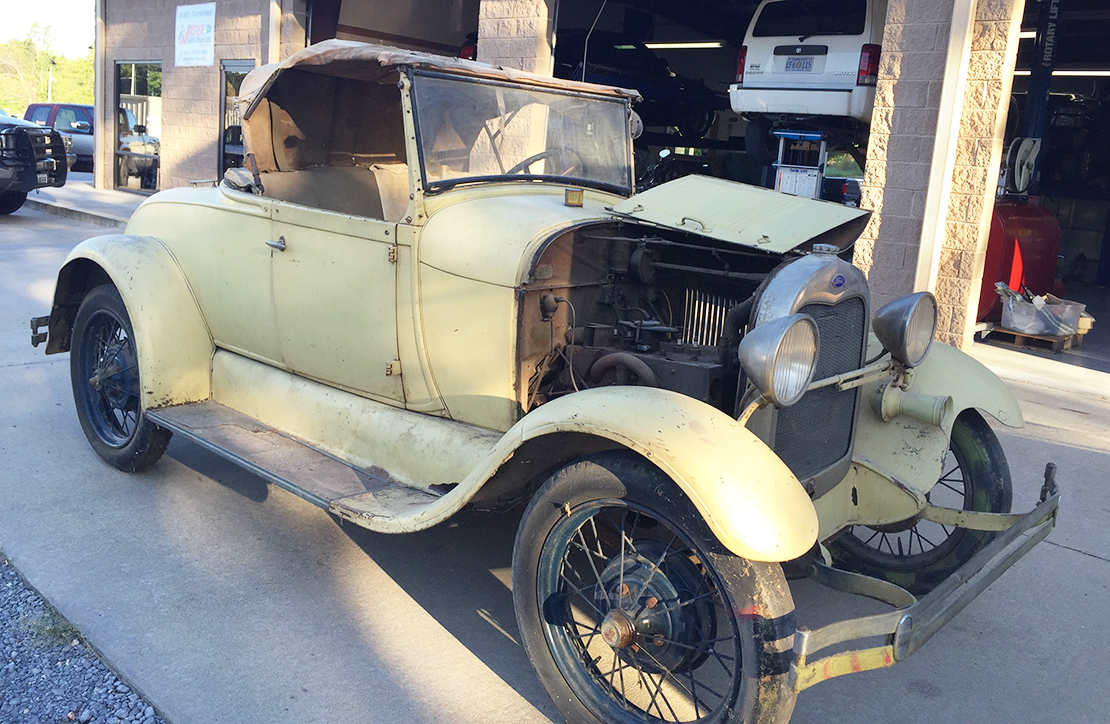
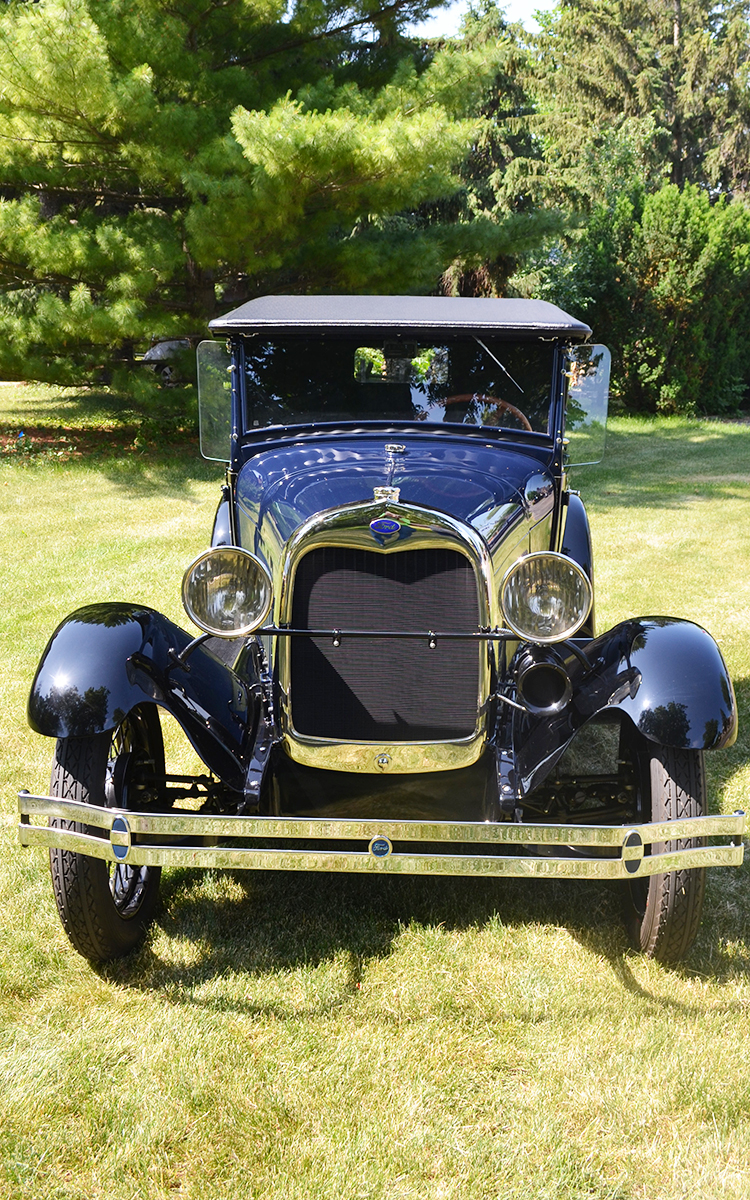
In September 2016, an advertisement went out through our local Model “A” Club for a “nice soft top coupe”. Naturally, I had to check it out. My wife, Melody, and I went to look at the car, and she could not believe I stayed to chat with them about it. She discreetly took the below photo (Photo One), and sent it to my son. He immediately texted back, “It’s a Roadster!” She knew then and there that another car was in our future. I purchased the car from Eva’s granddaughter. So, I am technically the second owner of this car.
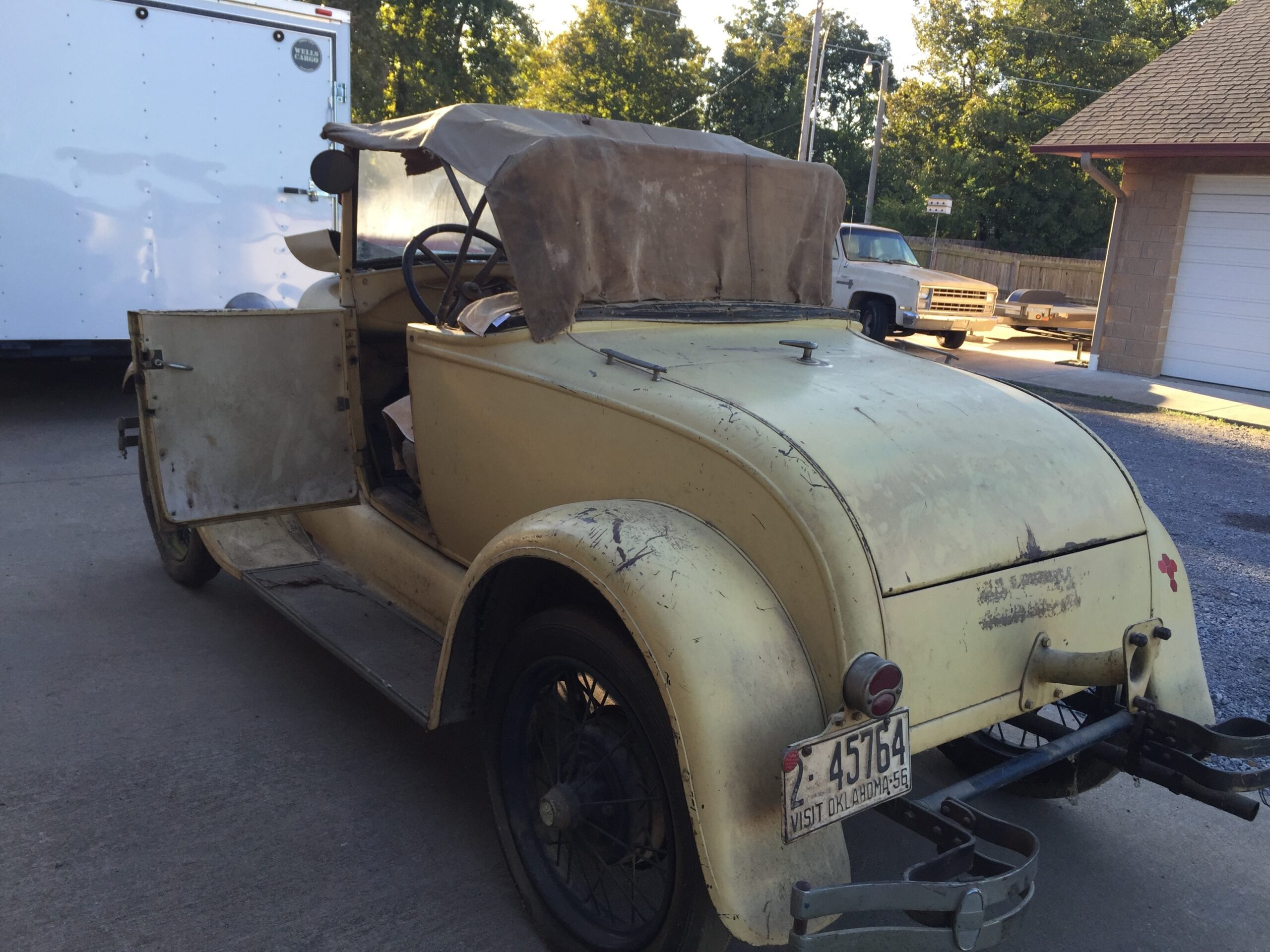
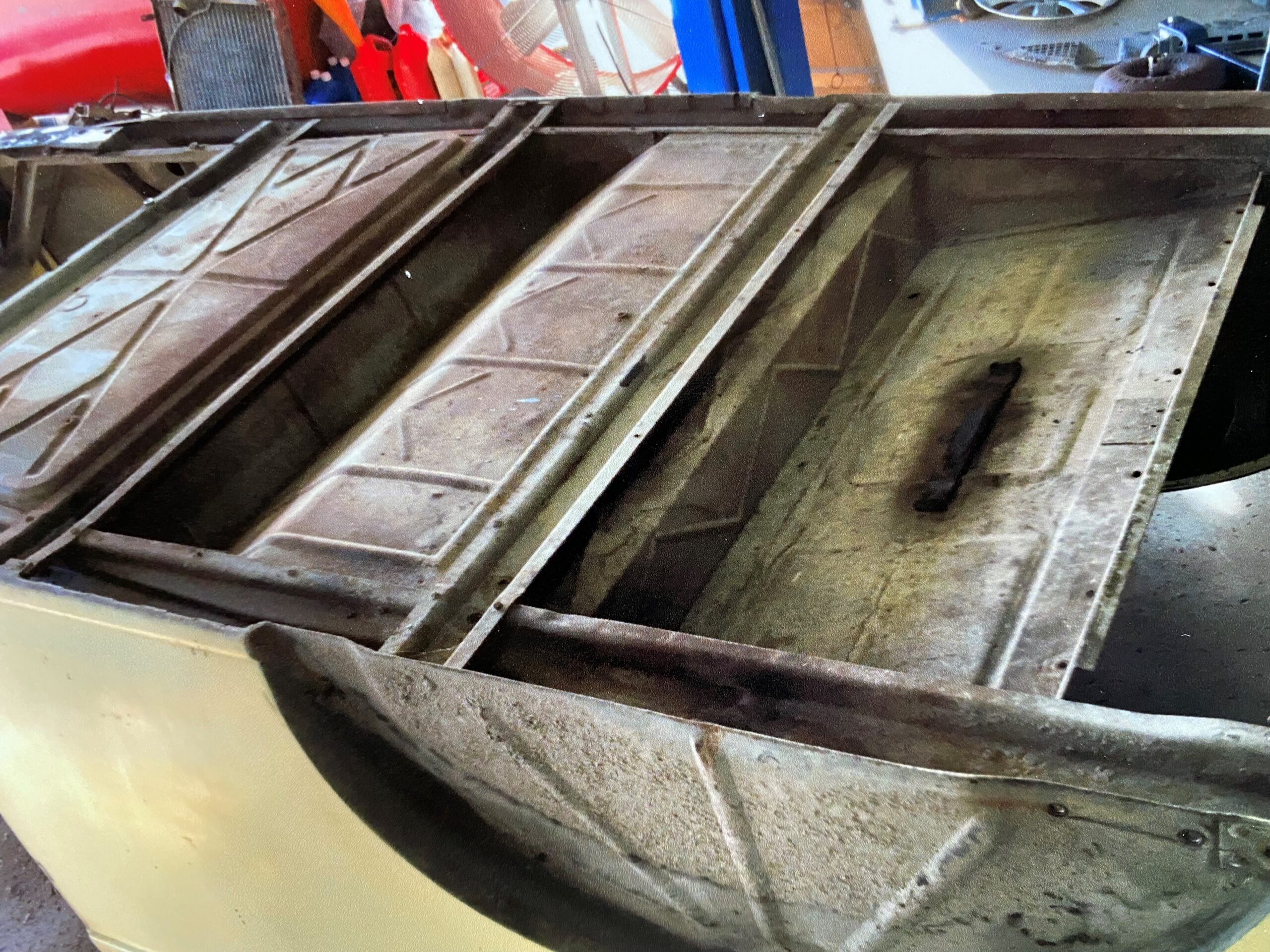
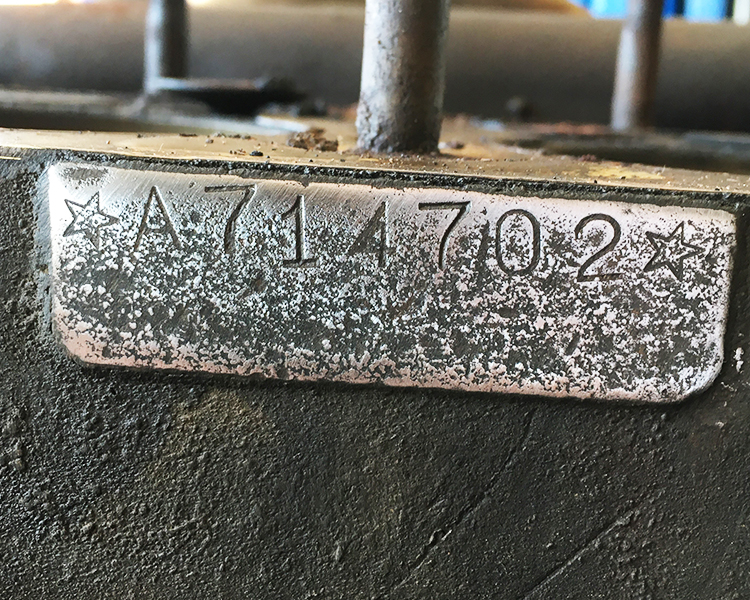
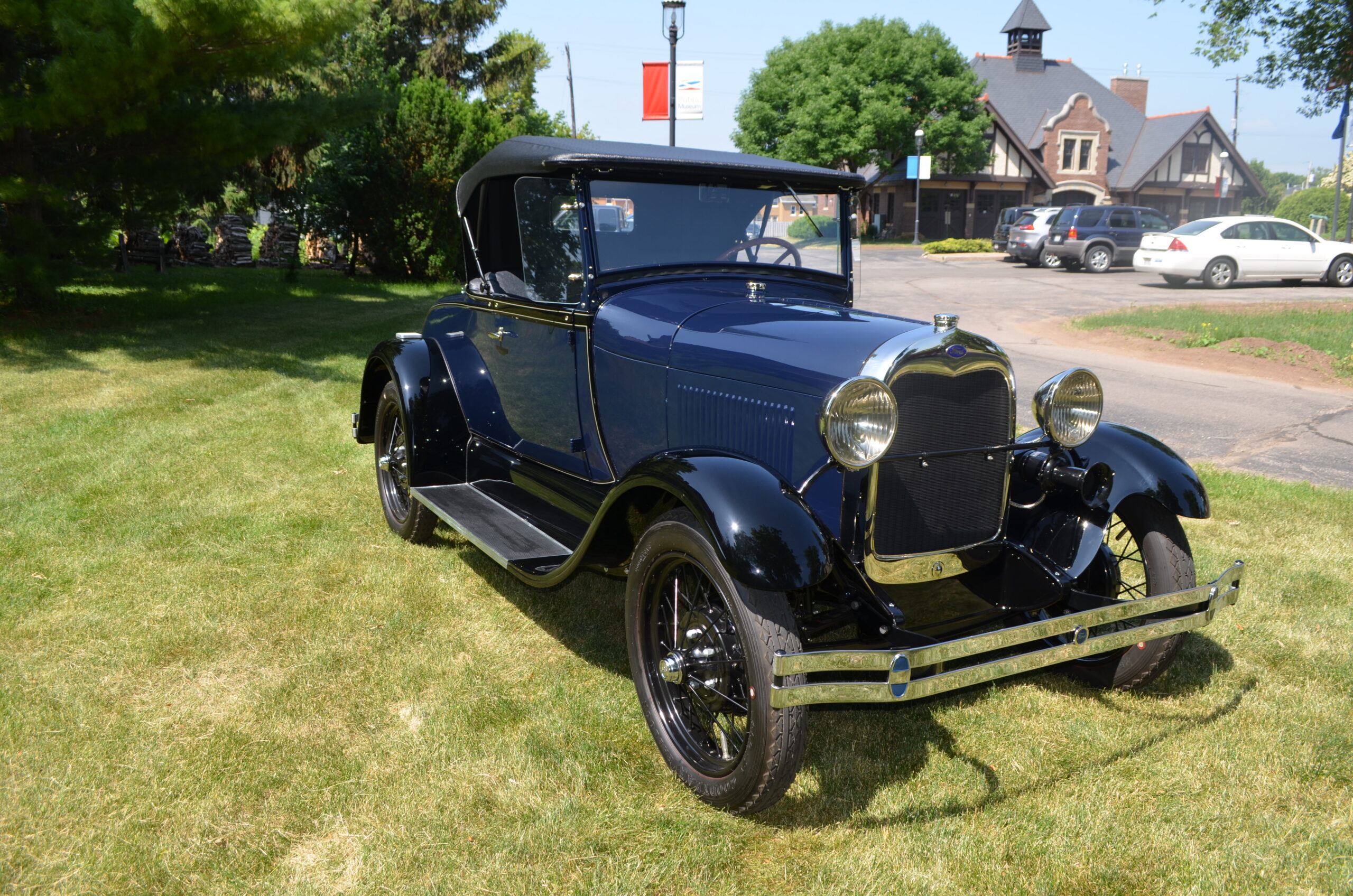
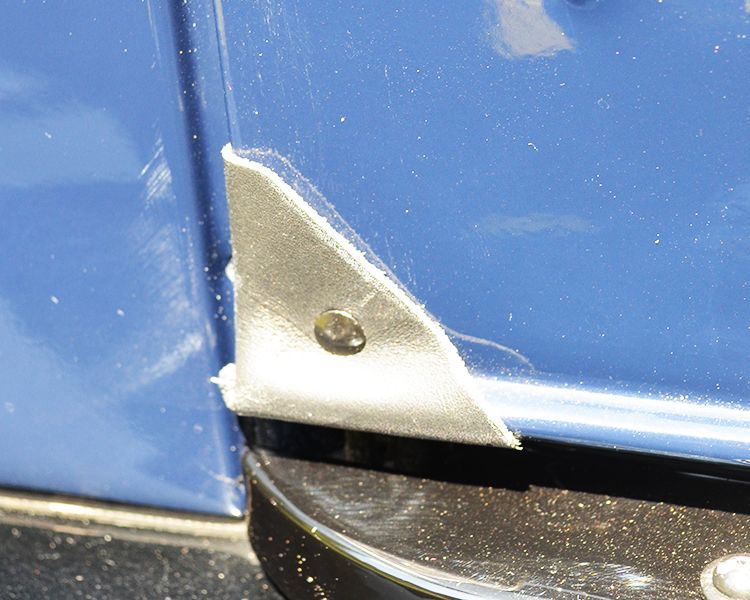
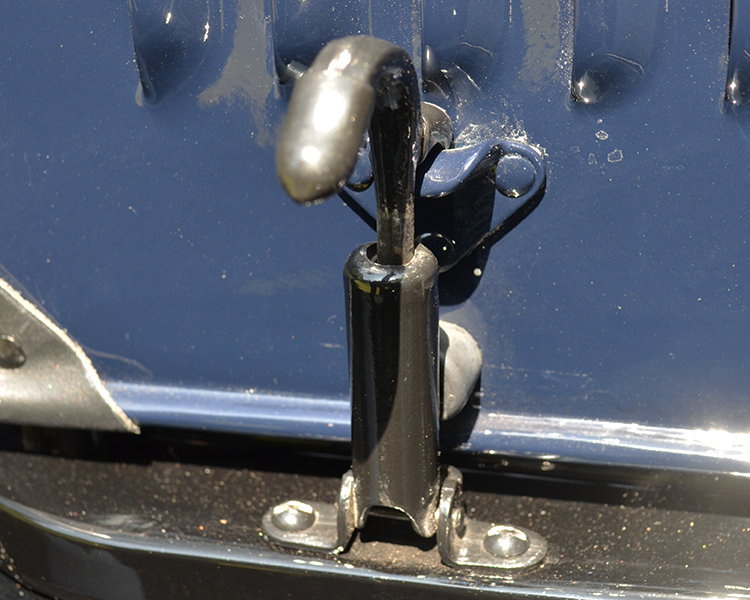
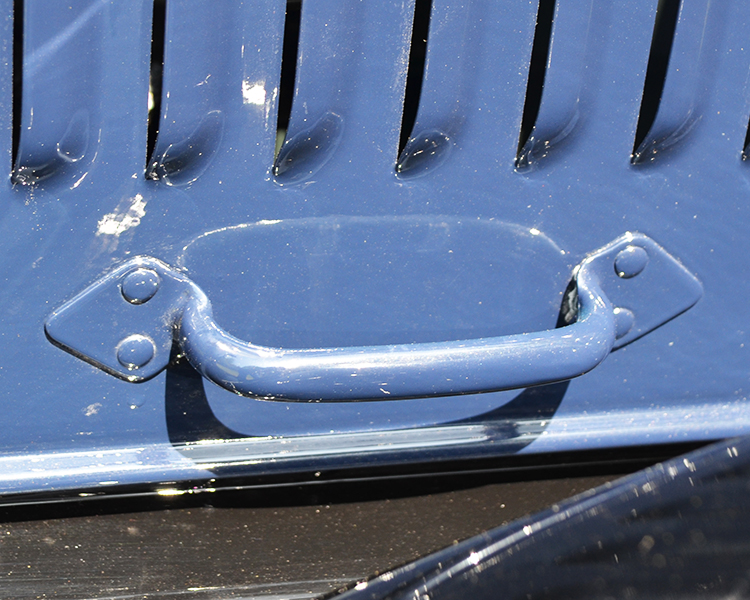
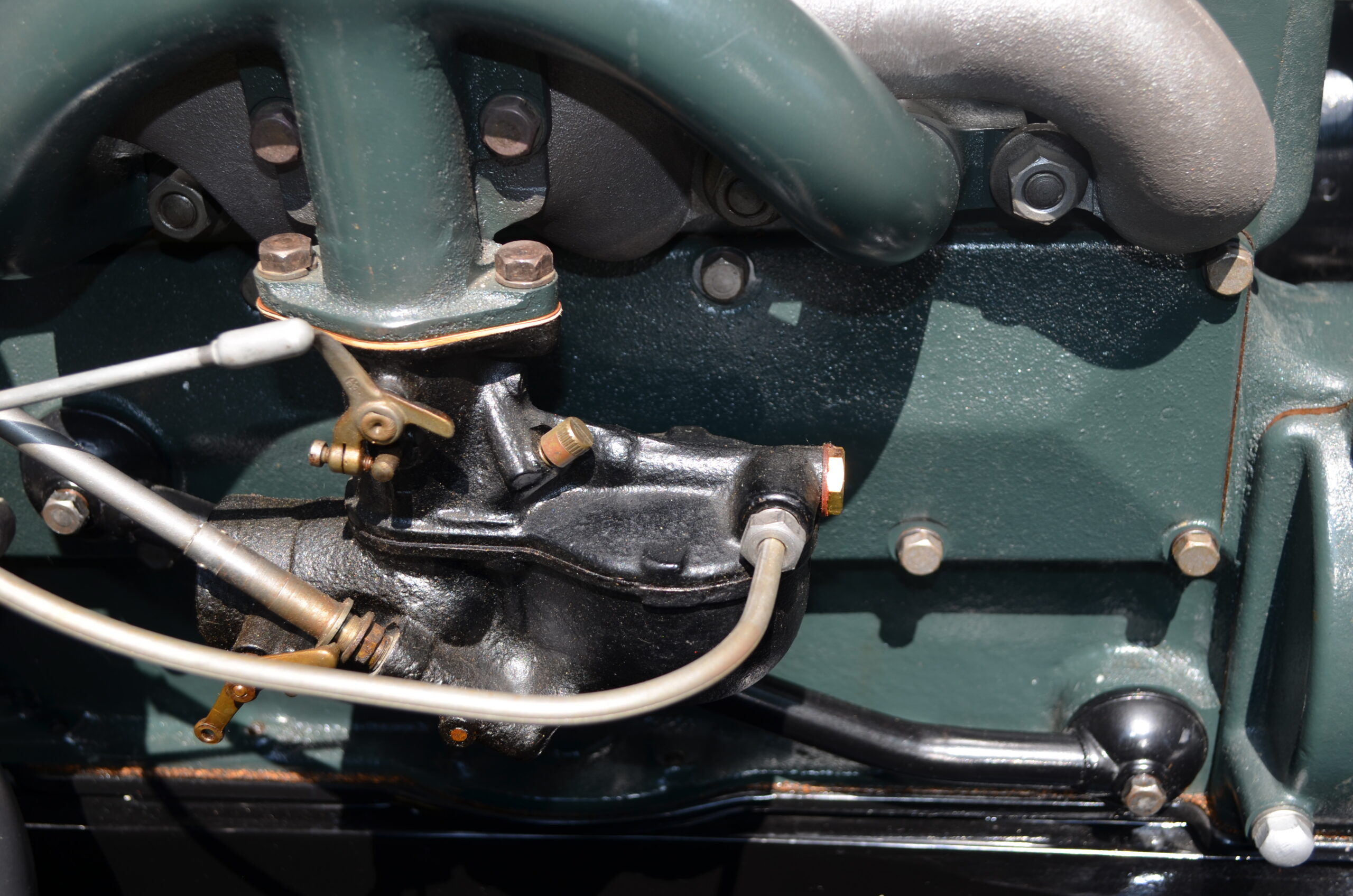
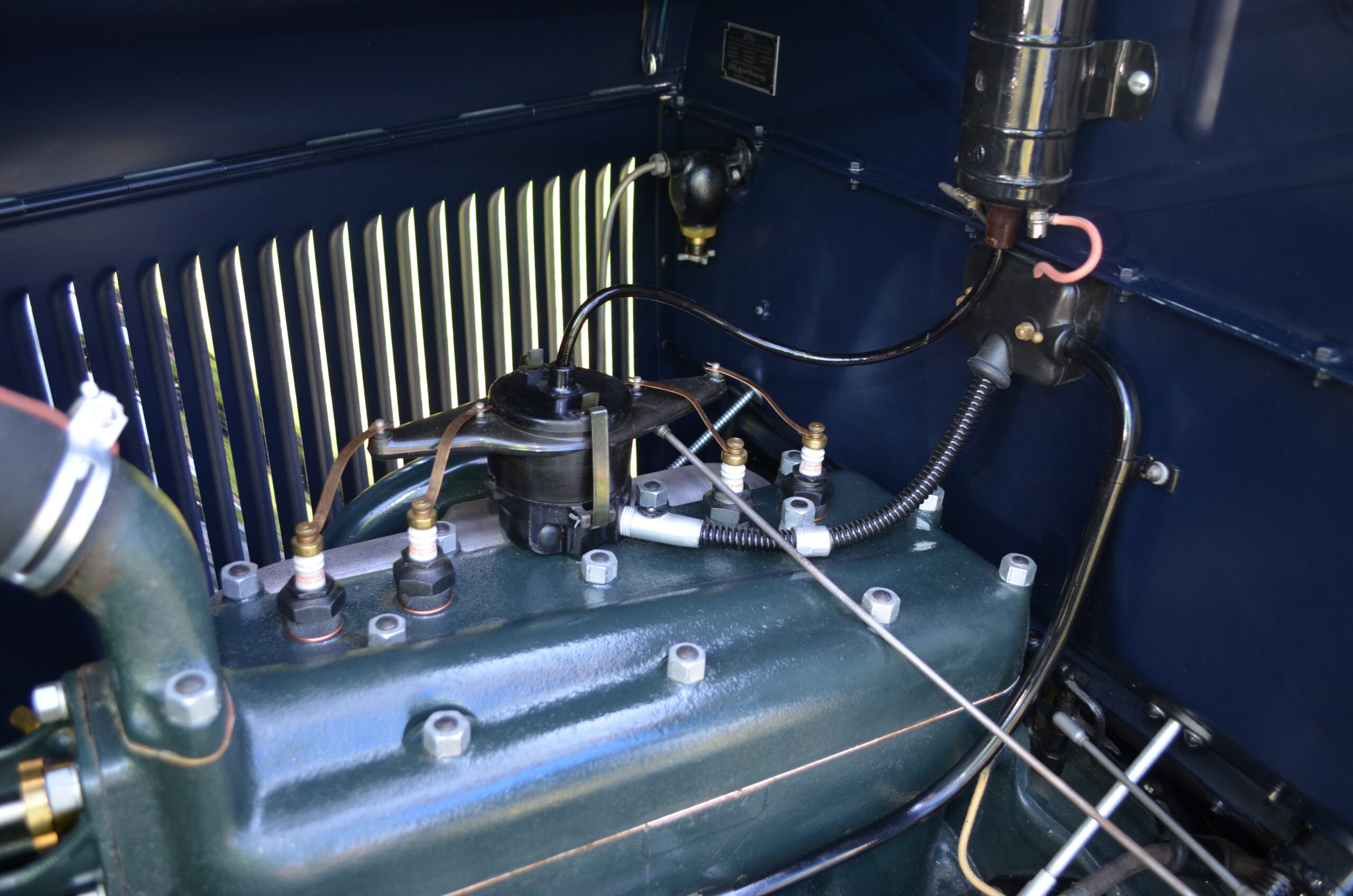
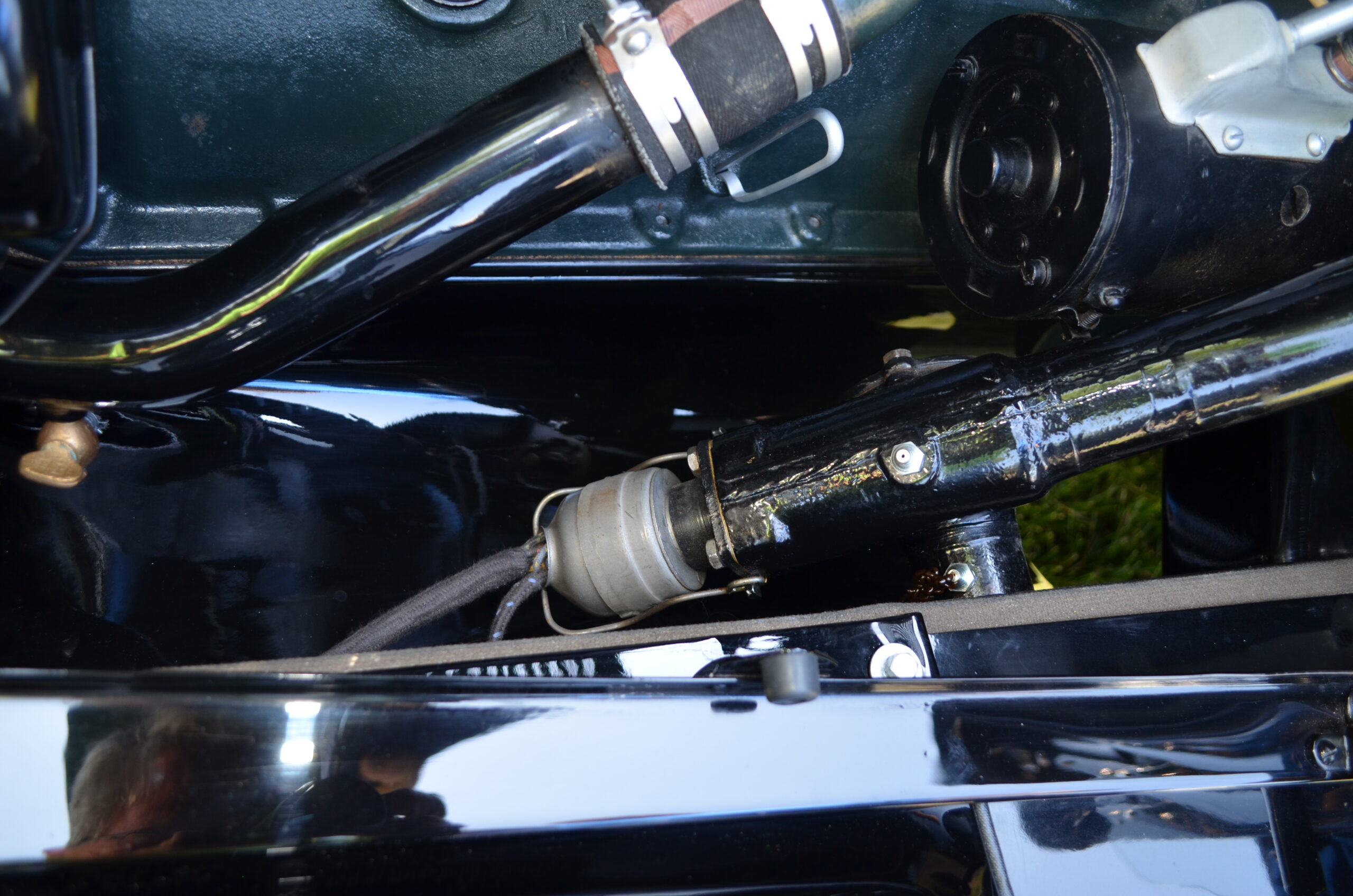
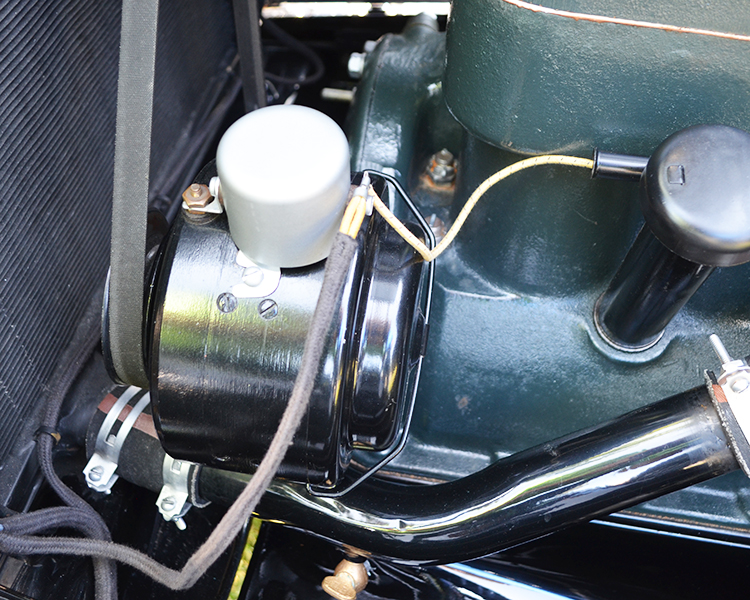
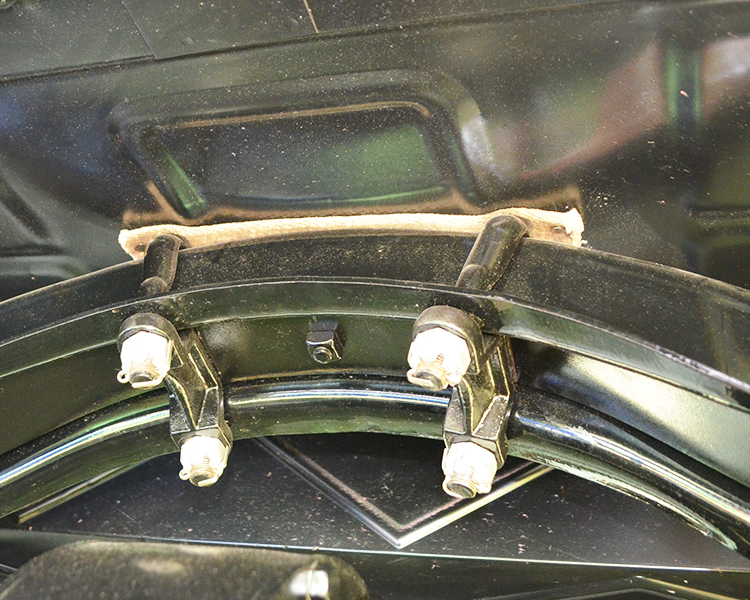
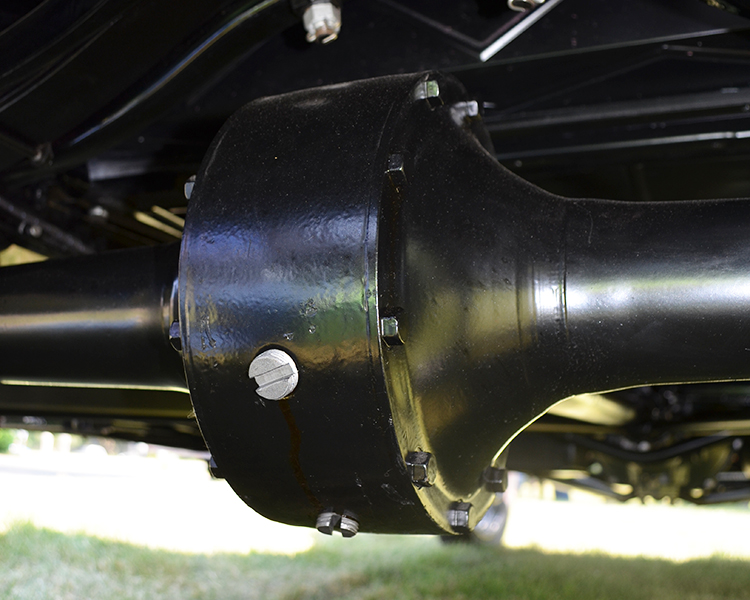
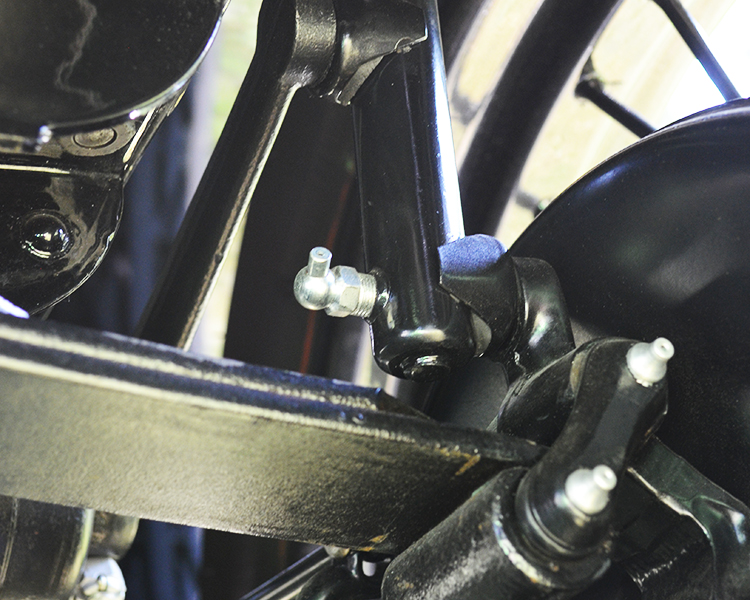
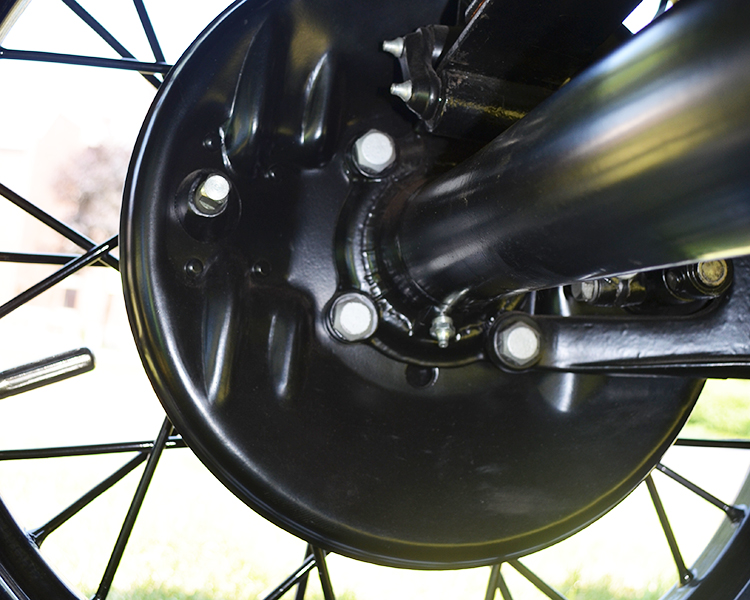
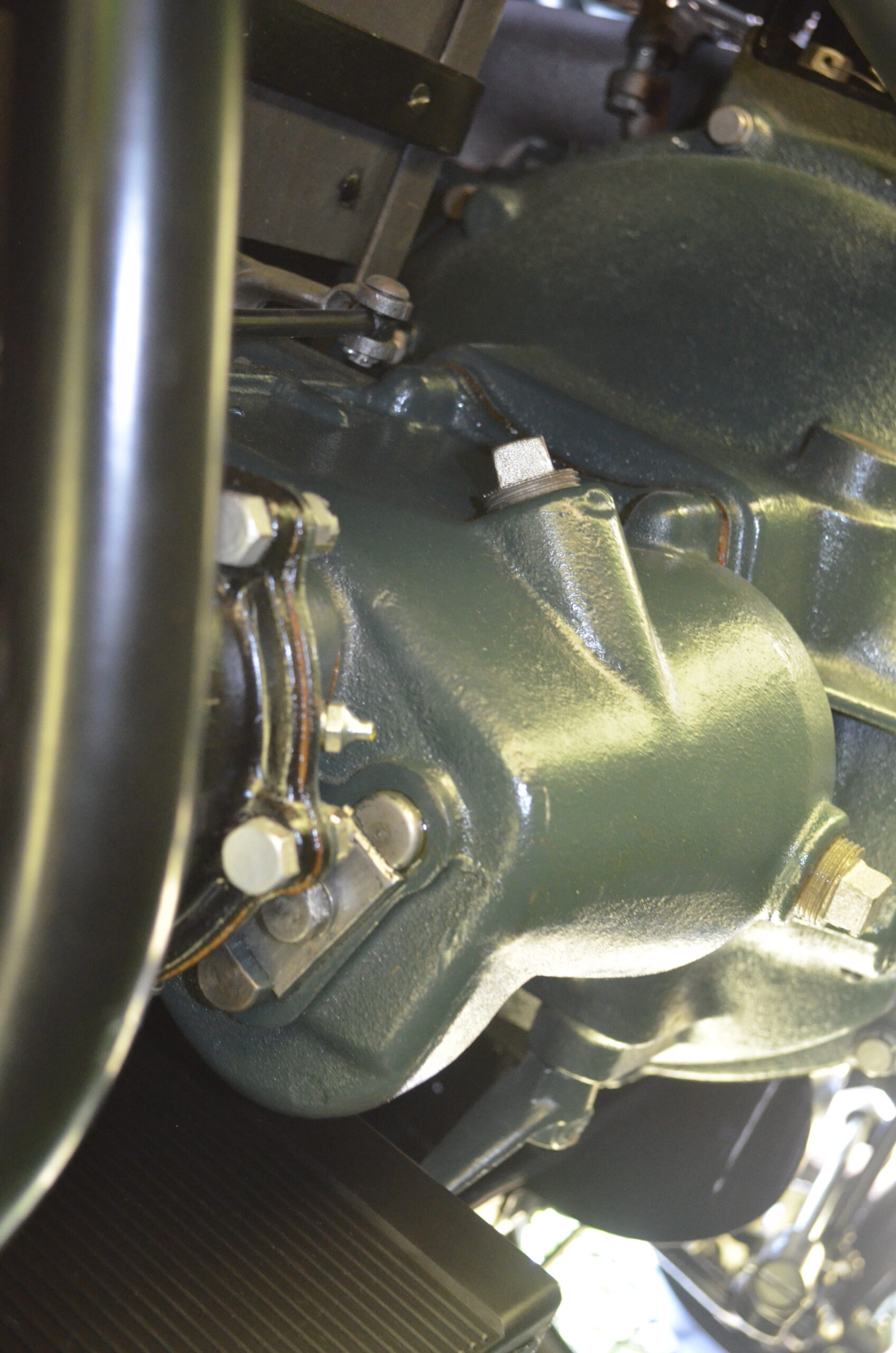
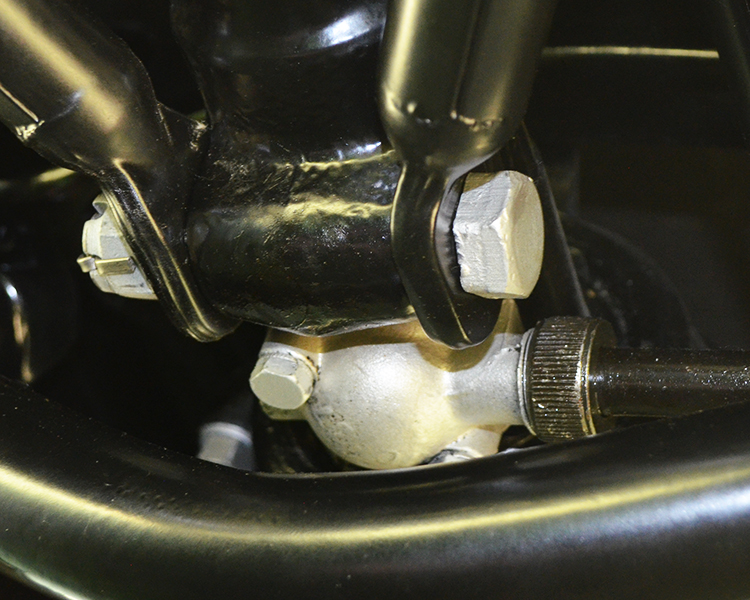
It took Chris and I one day to basically disassemble the entire motorcar. The body was unbelievably nice with absolutely zero rust. As a result, all the sheet metal is original to the car. Our plan was to restore it as nicely as we could so we could drive and enjoy it. We took lots of photographs so we could put the car back exactly as it was. (Photos Two and Three) We were not planning to enter it for Fine Point judging. In fact, we did not even know Fine Point judging was a thing! Our goal was to have the chassis completed within 60 days, and we made it! Soon afterwards, the body was painted Andalusite Blue and Black and installed back on the frame. It was about this time that we met Mark Maron via the “Model A Fords Early 28’s & Fine Point Restoration” Facebook page, and we realized the Restoration Guidelines and Judging Standards we had were way out of date. We talked with Mark a lot, and we decided we were too far into the project to do a fine point restoration on this Roadster. It would have to be the next one.
We went to Gettysburg in 2017, and seeing Val Maron’s beautiful Roadster in person inspired us to do the best we could on our Roadster. We purchased a new complete set of Standards so we would know what to do going forward, but we were determined not to re-do anything we had already completed. Chris spent hours and hours reading the Standards making sure everything from that point was as correct as we could get it before we installed it.
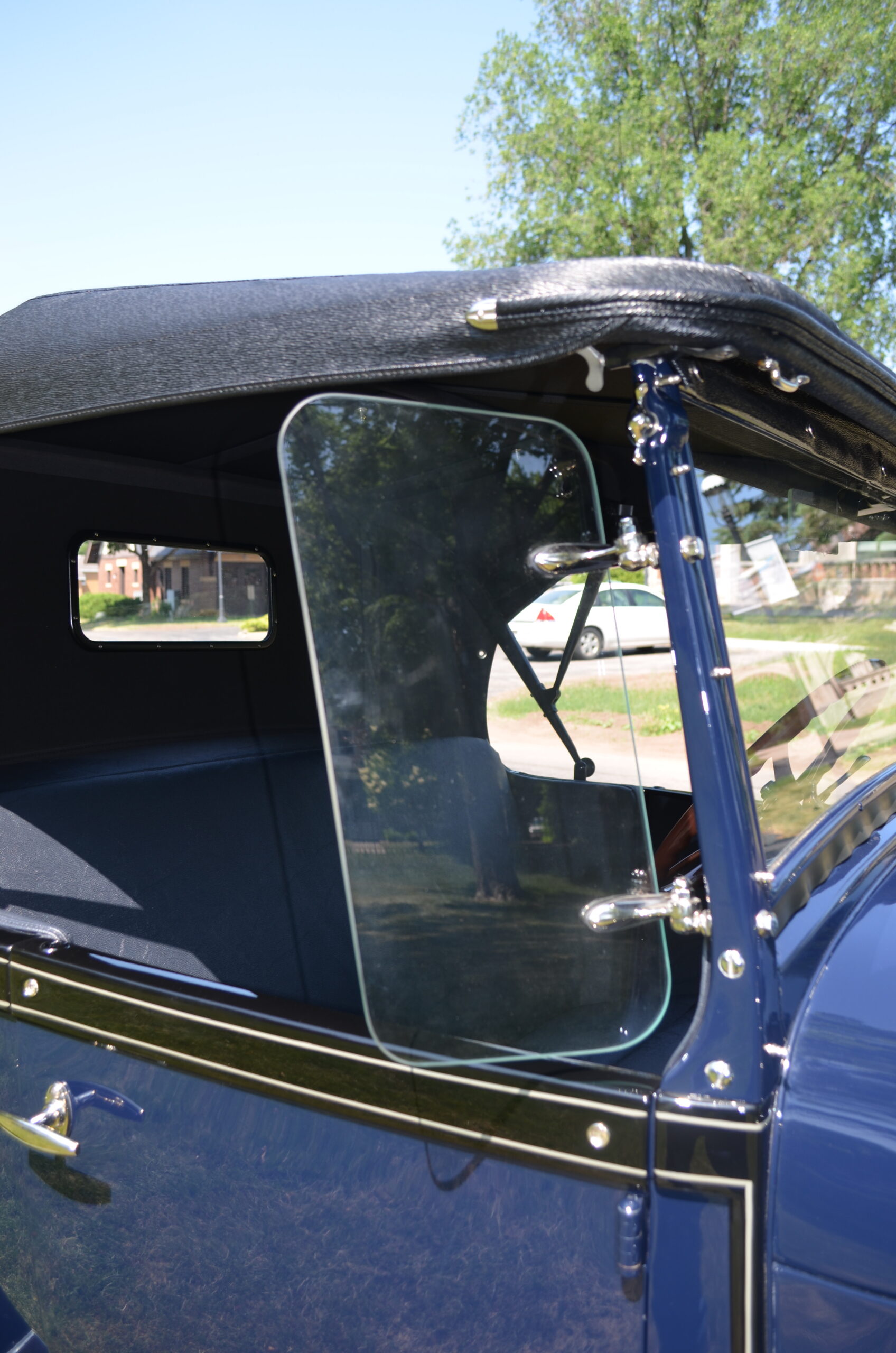
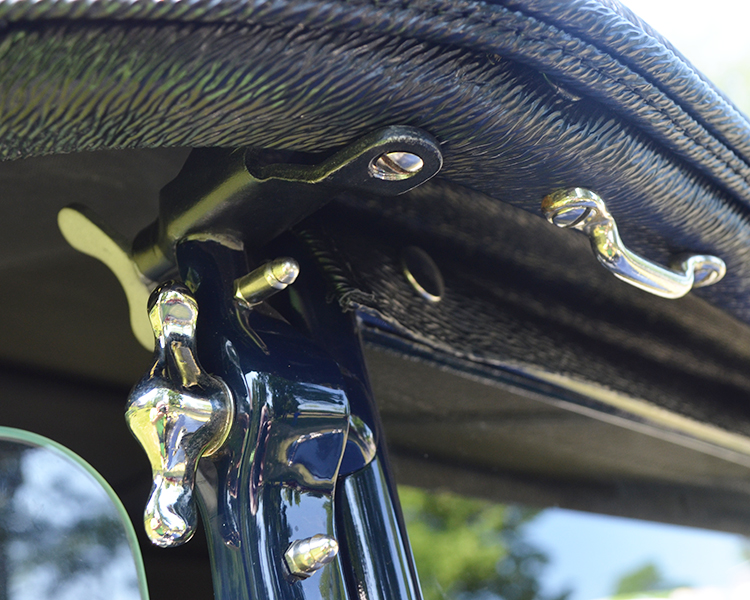
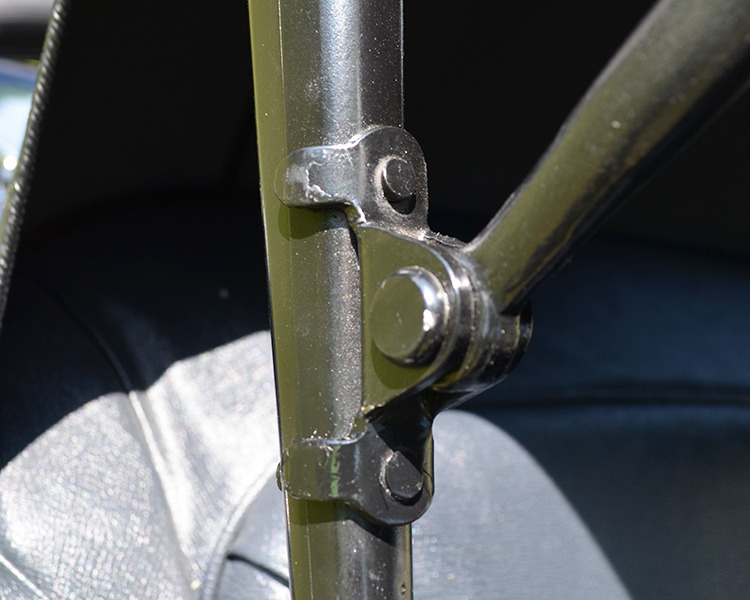
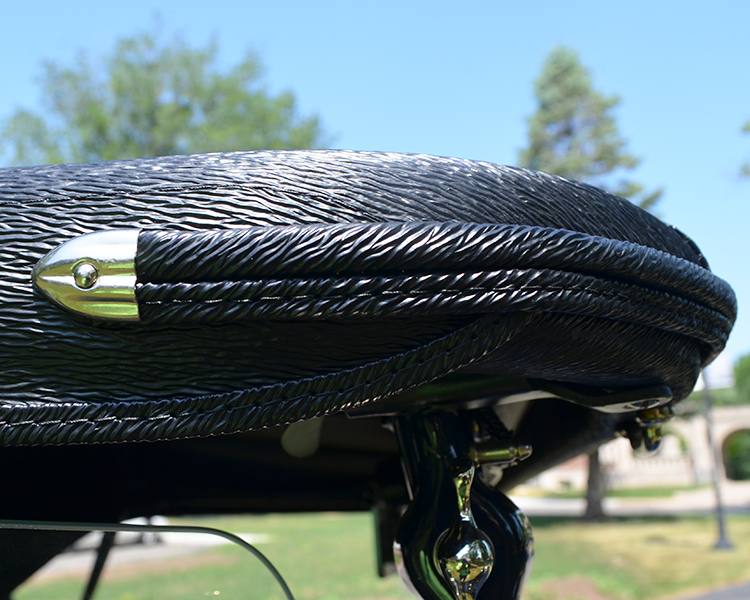
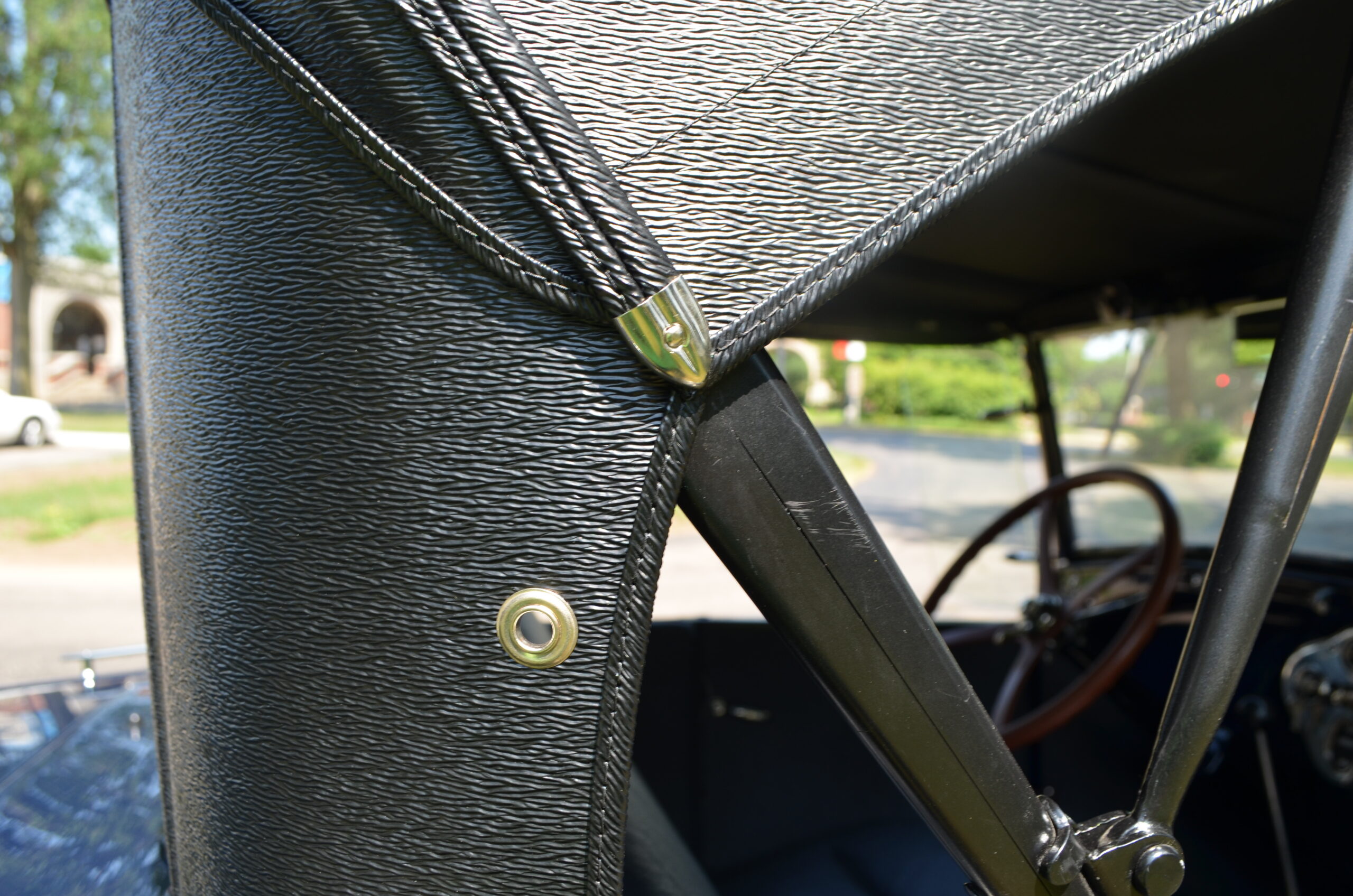
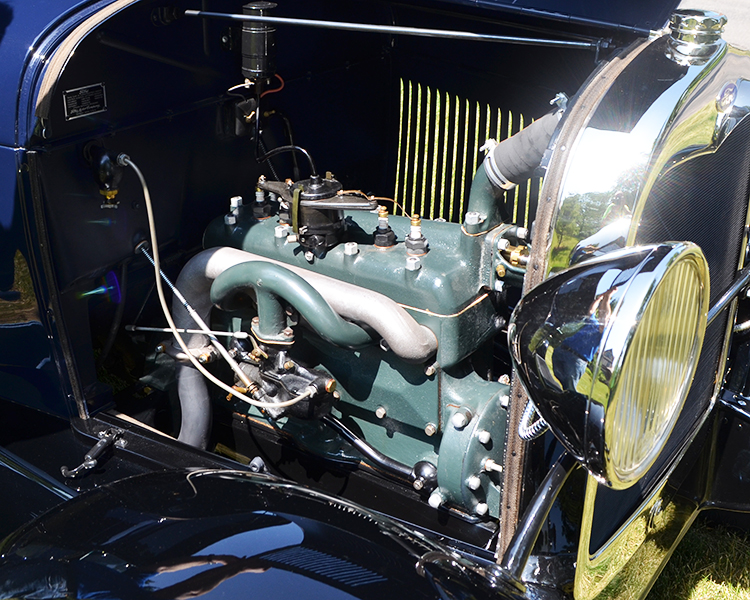
I am not sure how or at what point Mark talked us into entering the car for Fine Point, but when we registered for the Dearborn meet, we signed up for it. A couple of months before show time, Chris was reading the Standards, and he talked me in to pulling the front and rear ends out from under the car so we could correct all the finishes. We even removed the “B” head. By most standards, the car was now finished. Nevertheless, we were not happy with the top, interior, or side curtains, but we were out of time to make changes.
Dearborn was our first experience with Fine Point, and neither Chris nor I knew what to expect. What we soon realized is that the Fine Point community is filled with wonderfully nice people who love the Model “A” Ford just as much as we do. We both learned so much about the Model “A” Ford as Henry built them. Honestly, we did not know how we would do in the overall judging. Since we started with the Standards in the middle of a restoration and we had to redo a lot, our goal was to reach 400 so we could obtain the MARC of Excellence. To our great surprise, we scored 462 points! Could a “Henry Ford” award be possible?
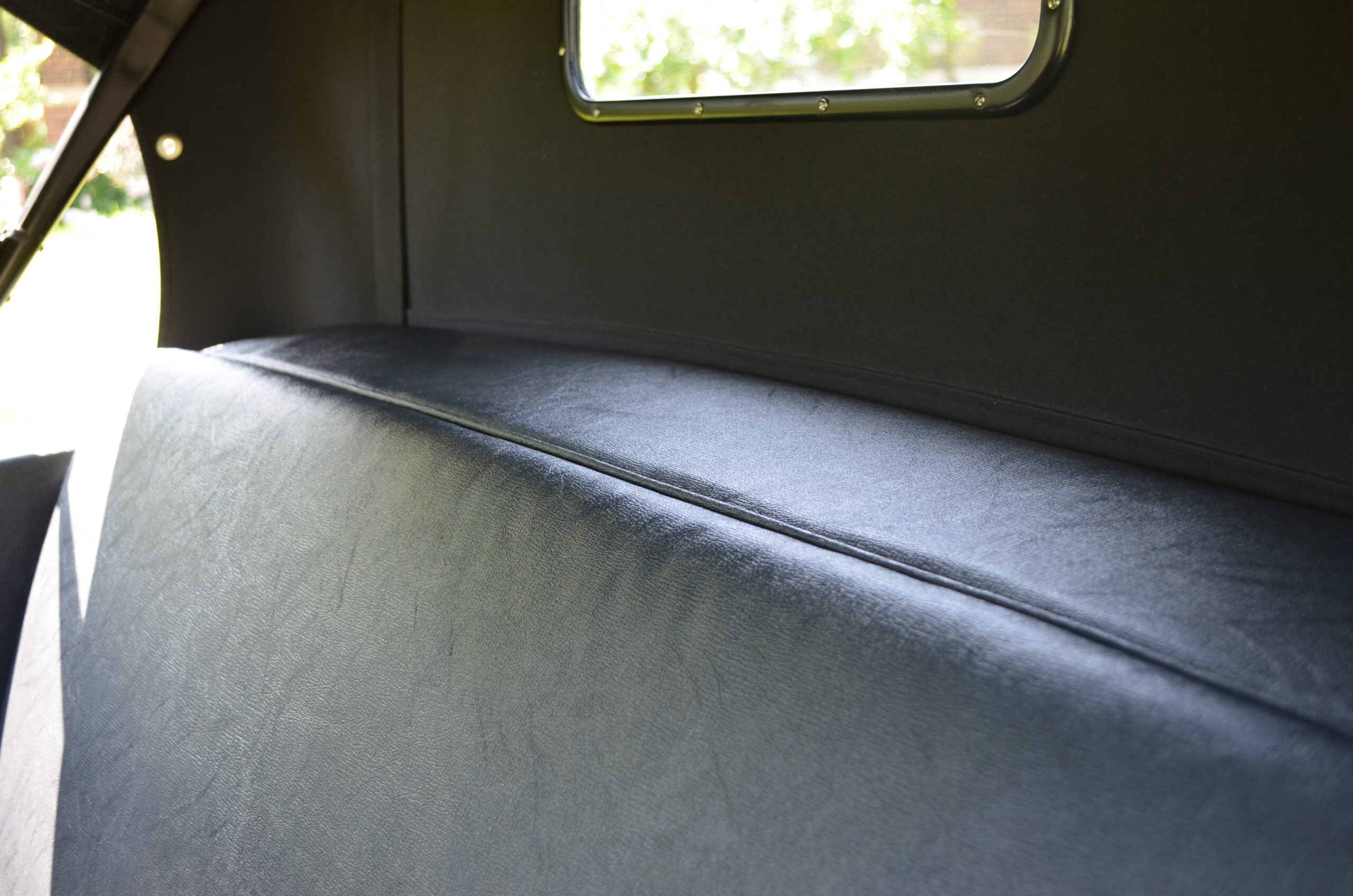
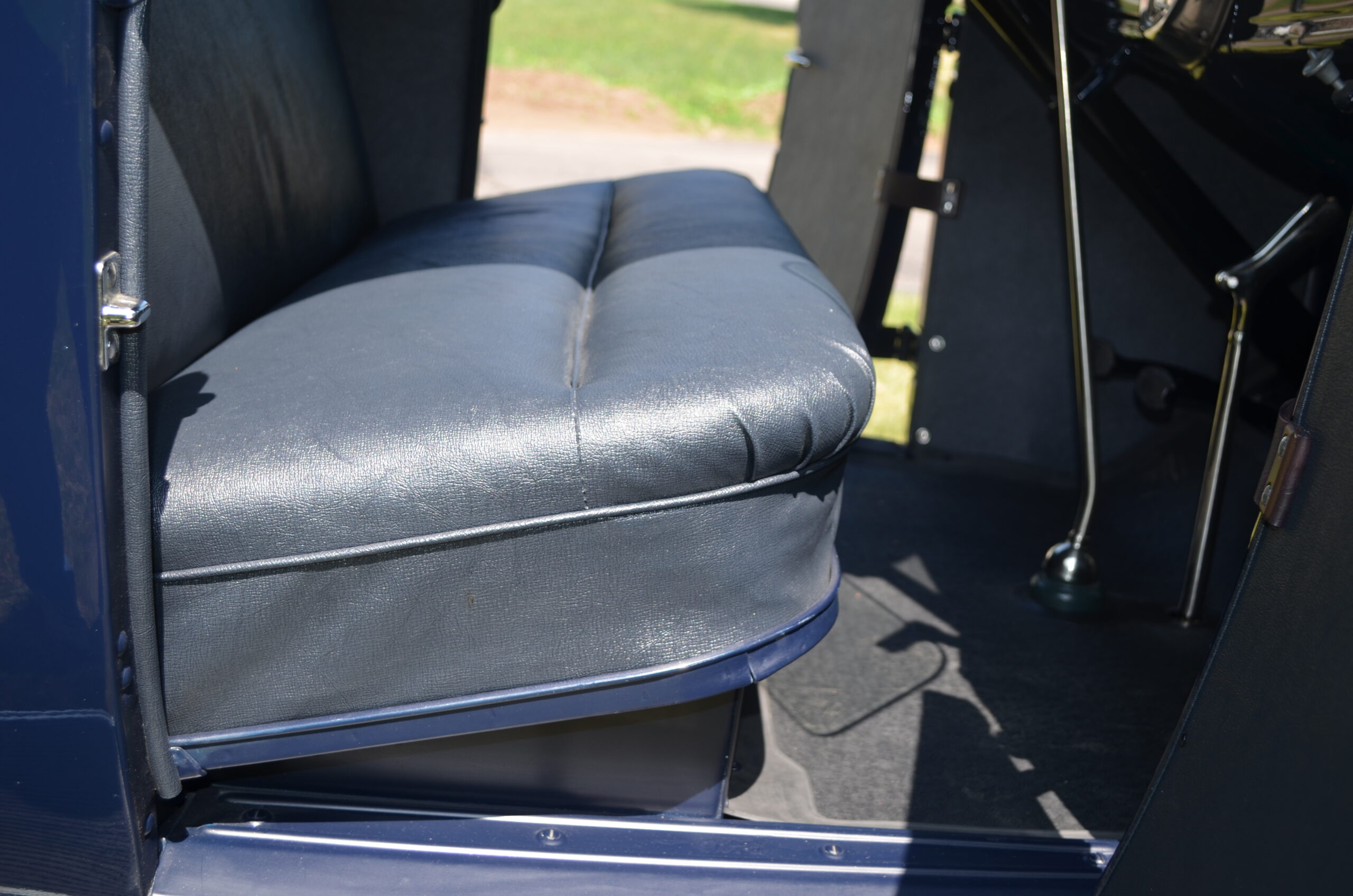
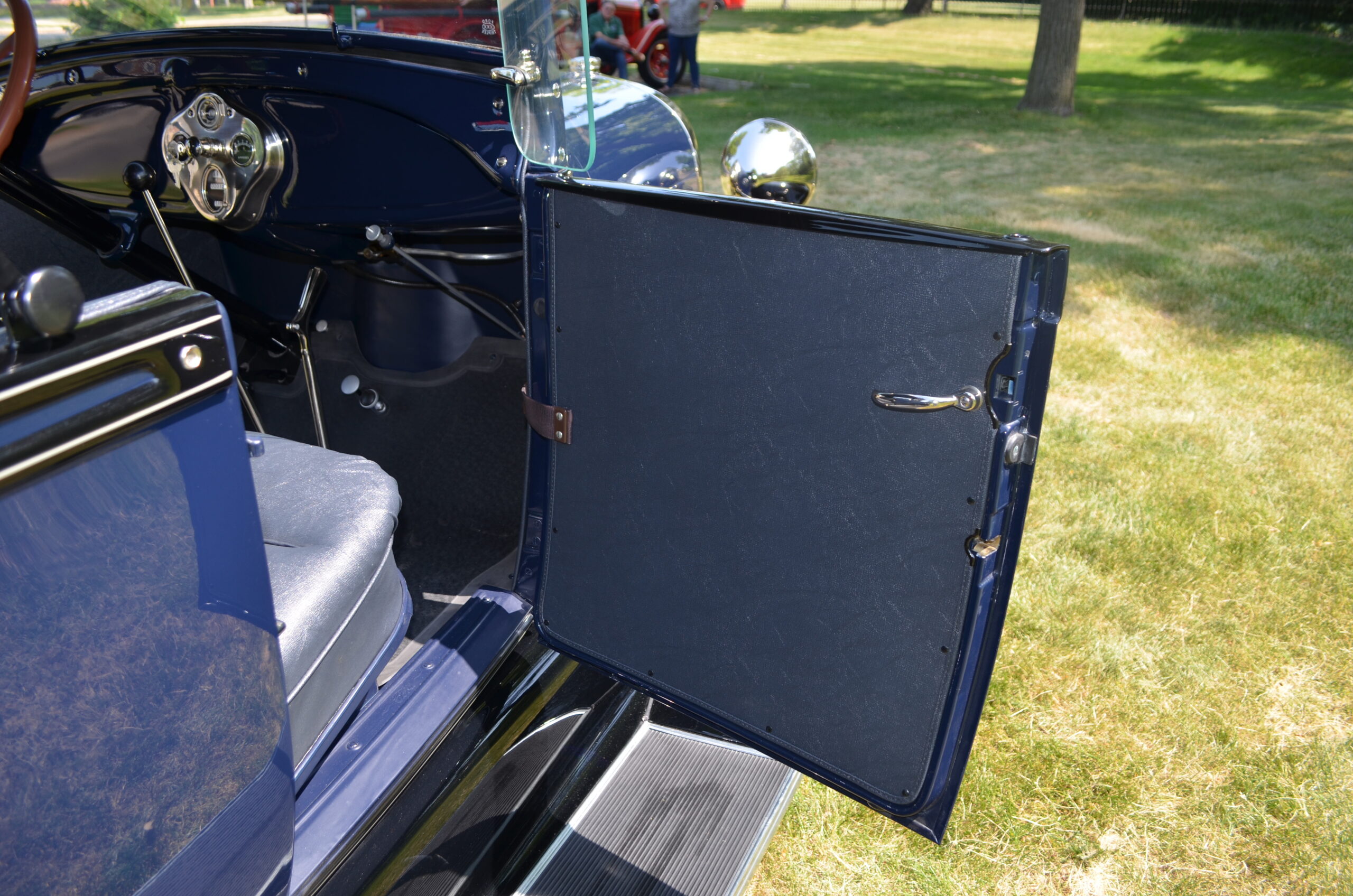
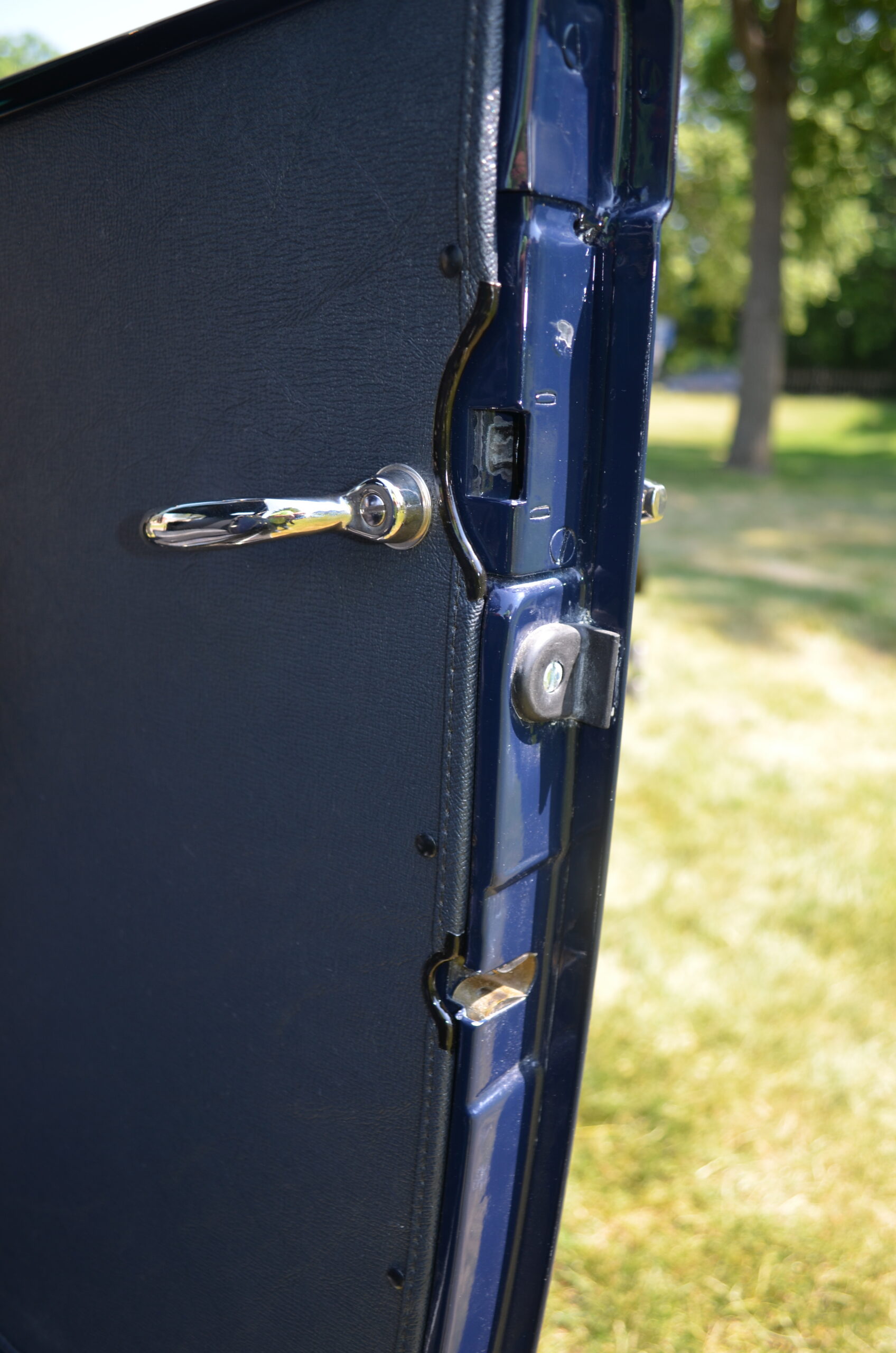
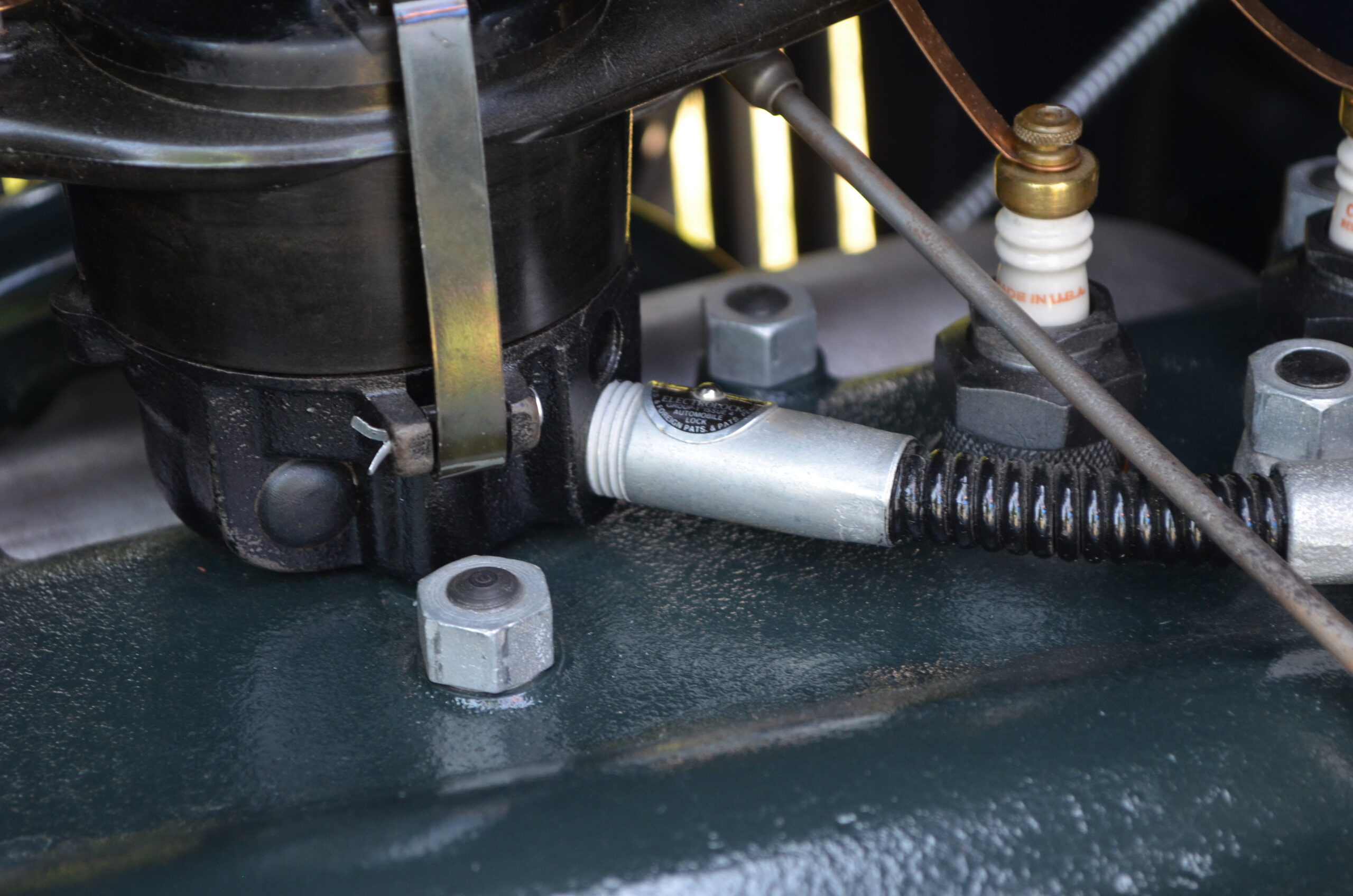
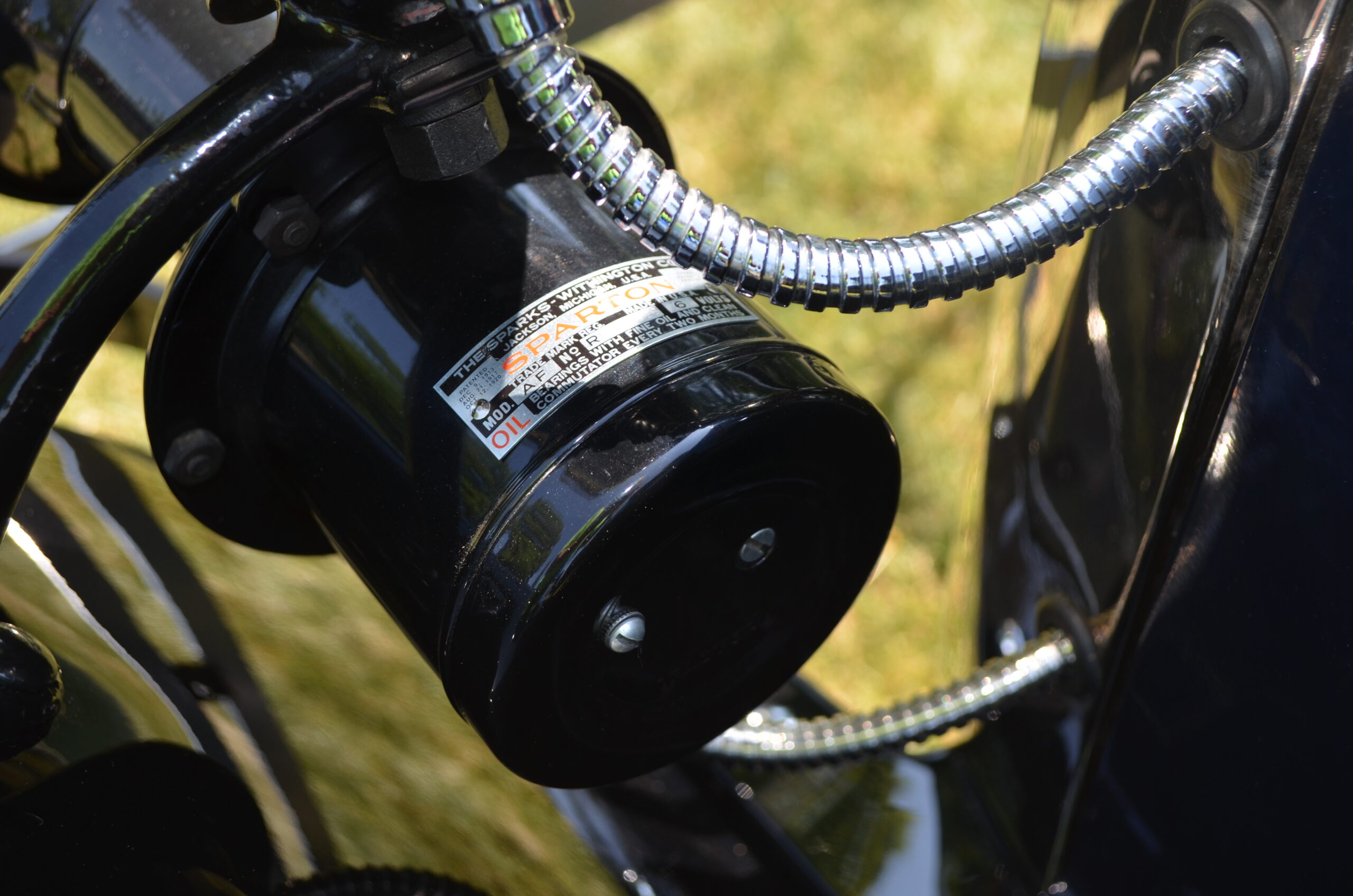
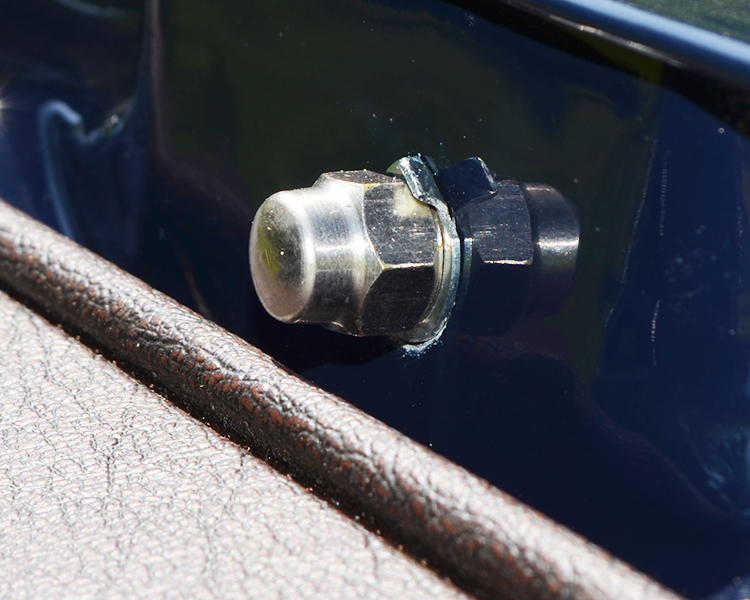
When we got our judging sheets back, we realized our car had two main issues: reproduction hardware and upholstery. The hardware was easy for us to fix because we still had all the original hardware, including lock washers, in boxes from where we had disassembled the car. The interior, top, and side curtains were a bit harder to deal with. Chris and I poured over the judging sheets trying to determine if we could correct enough things without changing the upholstery to obtain a “Henry Ford” award. We figured out that it would be too close without fixing the interior.
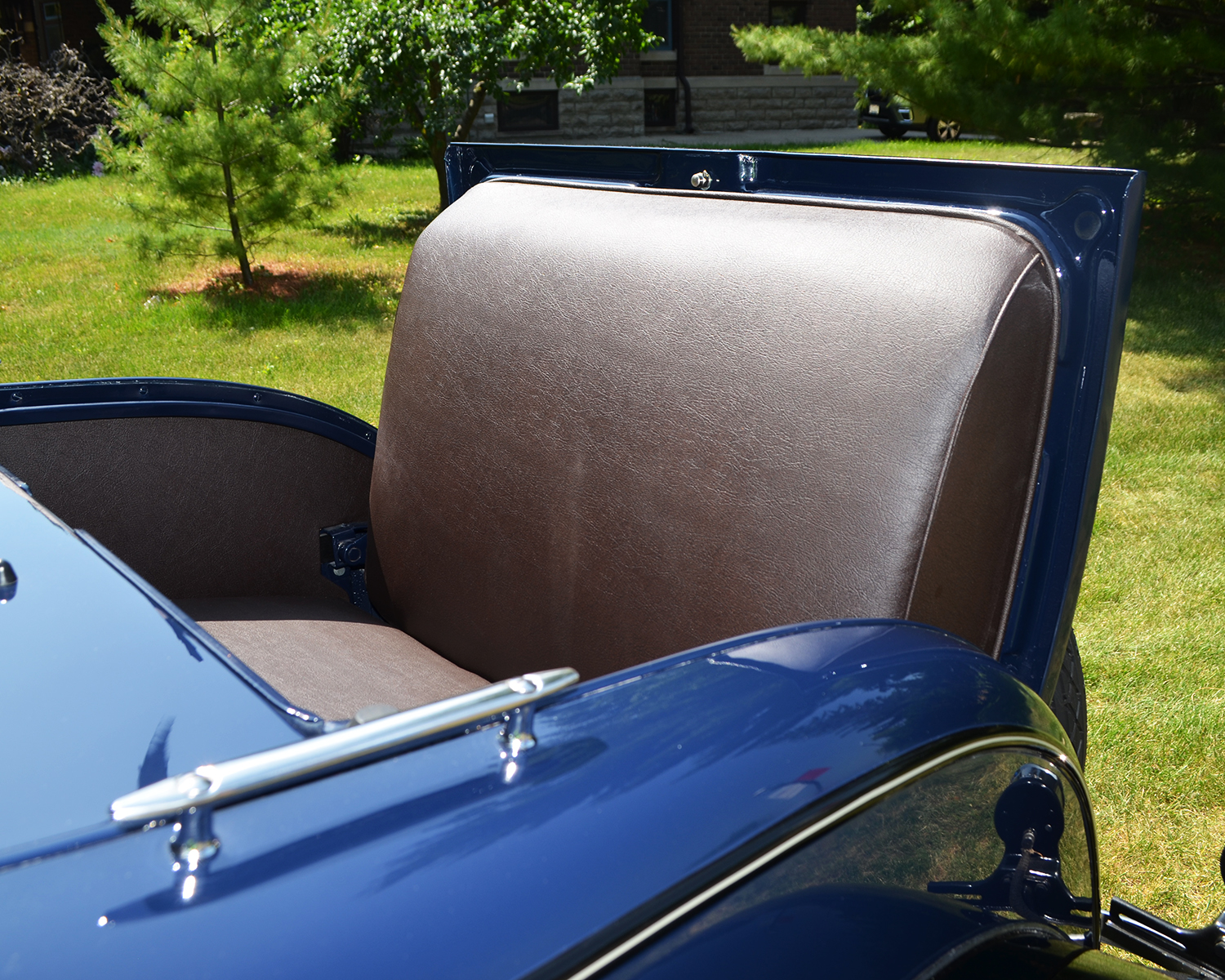
Luckily, Mark put Chris in contact with Bill Sturm, and we were able to bring our Roadster to him. He completely redid our upholstery work, and I could not have been happier when we picked the car up from his shop. Everything he touched was absolutely perfect.
Even though Oshkosh was delayed for a year, it still seemed to sneak up on us too quickly. Chris and I were once again in the garage adjusting things on the car right before we left. The judging experience was just as much fun as it was two years prior in Dearborn, but the wait between Wednesday and Friday seemed much longer than the previous time. To our relief, we scored 487 points, and we received our “Henry Ford” and “Master’s Restoration” awards.
It took us nearly five years, but I think I can finally say my Roadster is finished. The Roadster is beautiful, and we hope it is just the beginning of our Fine Point restorations. We have made some great friends along the way. Chris and I would especially like to thank Mark Maron for all the advice and encouragement he has given us throughout the restoration. We truly could not have accomplished this without his guidance. When we joined MARC five years ago, we quickly fell in love with the MARC showcase articles, and I never dreamed my car would make the cut. Most of all, I love how my family has grown closer as a result of us all investing our time and energy into the restoration.