 My 1928 AA Truck Restoration, by Brian Jensen, Illinois
Like many others, I had to retire before I found the time to pursue my car hobby. The previous year I had just finished having my dad’s 1956 Ford F100 pickup restored by a local shop, but with more time available I wanted to take on a full restoration of my own. My dad’s first car was a 1929 Model A Sport Coupe that he drove in high school, and he always told stories about that car. So the first Model A car I bought was a ‘29 Sport Coupe, very similar to my dad’s and fully restored. Of course my dad was thrilled to drive “his car” again! That car introduced me to Model A’s, but I still needed a project. I have always loved trucks and was intrigued by the “AA” Ford trucks. I was drawn to the 1928 model with the spoke wheels, so I started my search for a project vehicle.
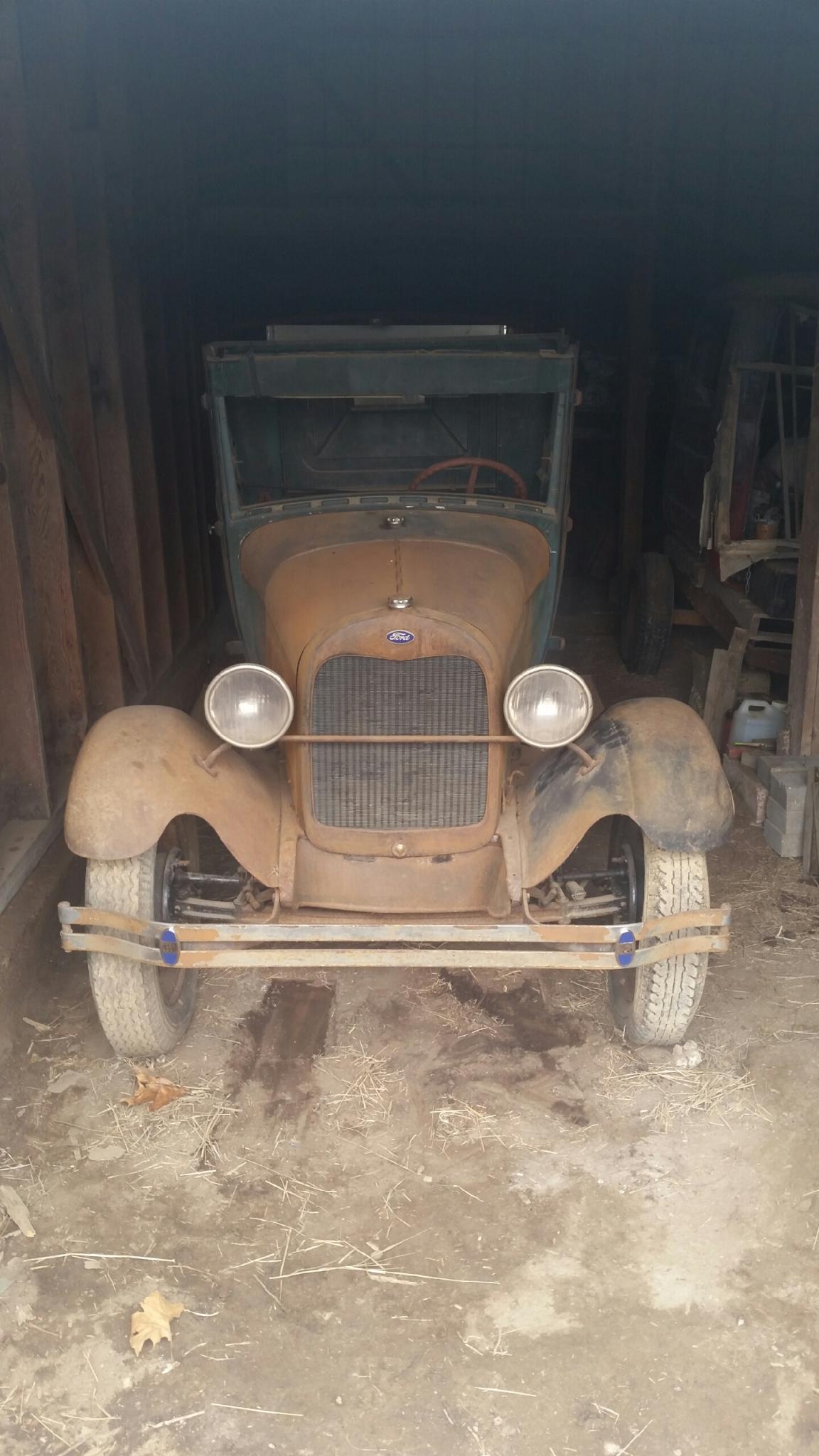
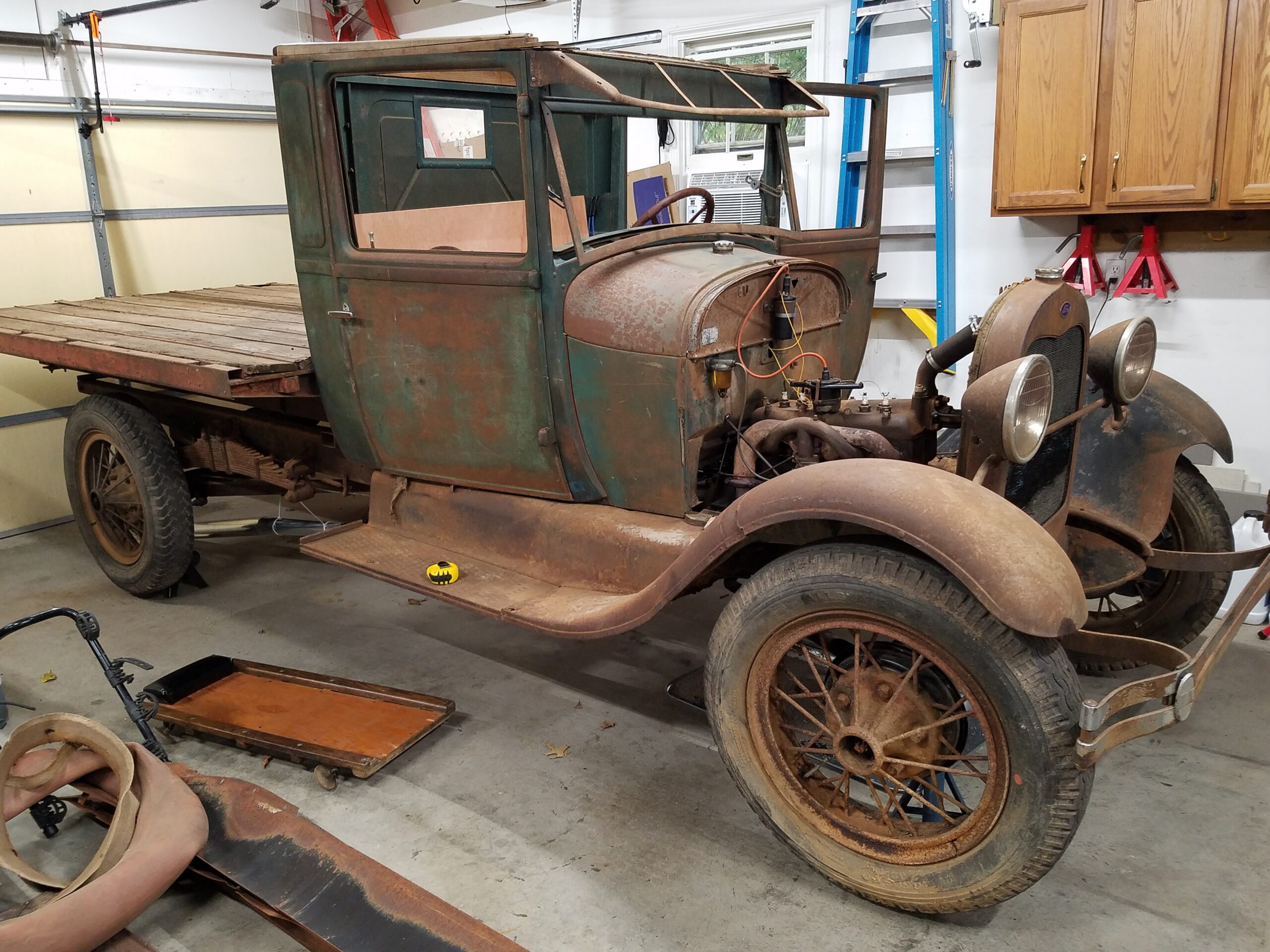
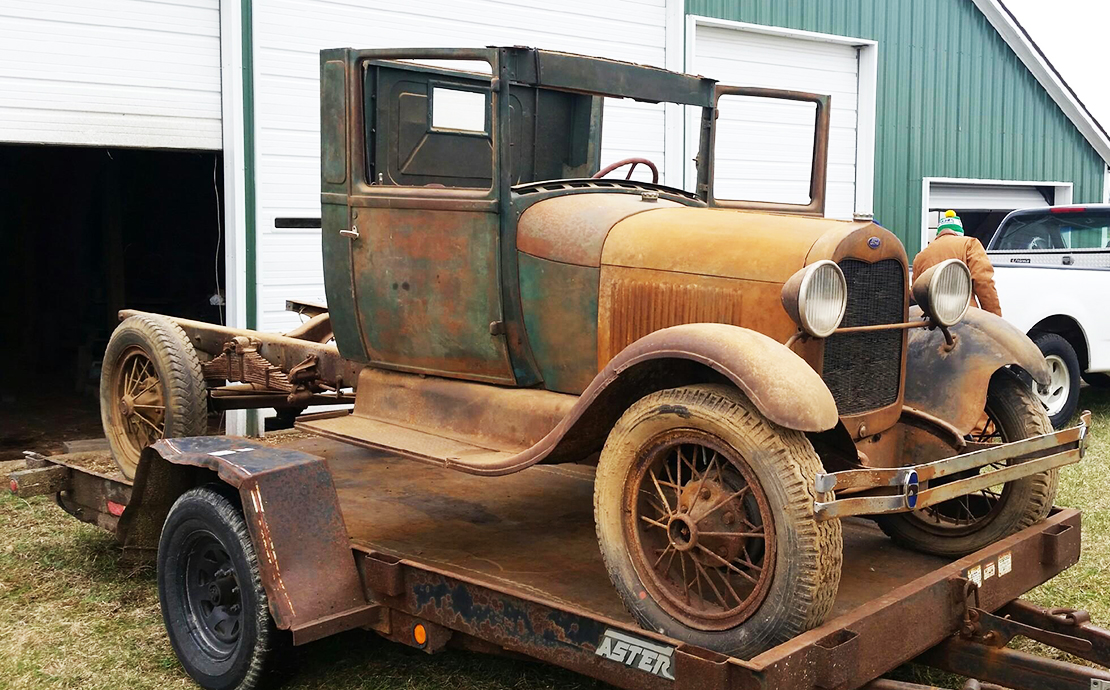
My truck was found at a farm in the north central part of Illinois, near Rockford. It was a typical well-worn farm truck, very beat up and rusty, but it had been stored in a barn and fairly protected from the elements. For example, it had many dents and cracks in the sheet metal, but the doors and cowl were not rusted through. The engine was in very poor condition, there was no rear body, and the top wood was gone. When I brought it home, my family was a little shocked, wondering if this beat-up rust bucket could really be turned into anything reasonably nice!
My knowledge of Model A’s was still minimal, so I didn’t realize the truck was an early ‘28 until I purchased the Model A Restoration Guidelines & Judging Standards. Using that great reference, I began determining certain characteristics that made the truck somewhat unique (I’ll go into this more later). Of course, once I removed the cab and uncovered the frame serial number, I found the frame ID was AA105654, validating it as an April 1928 truck. There are a few AA trucks still in existence that are earlier (i.e., March), but they’re pretty scarce.
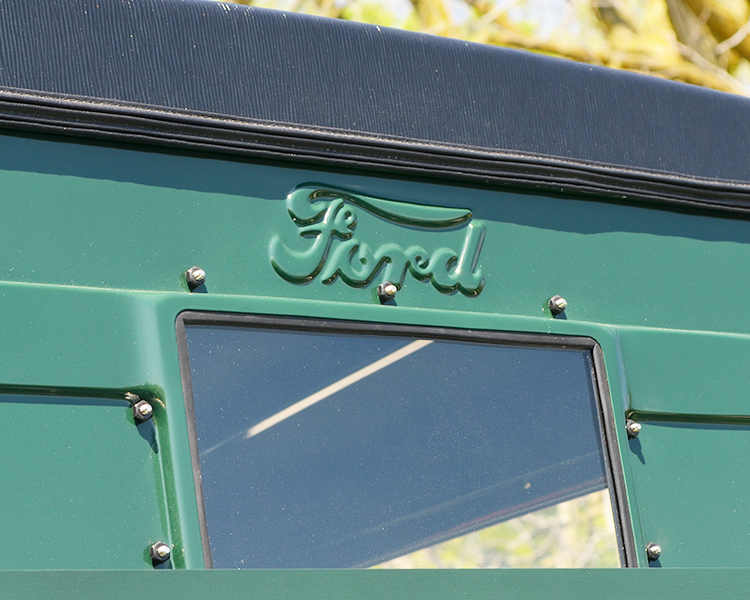
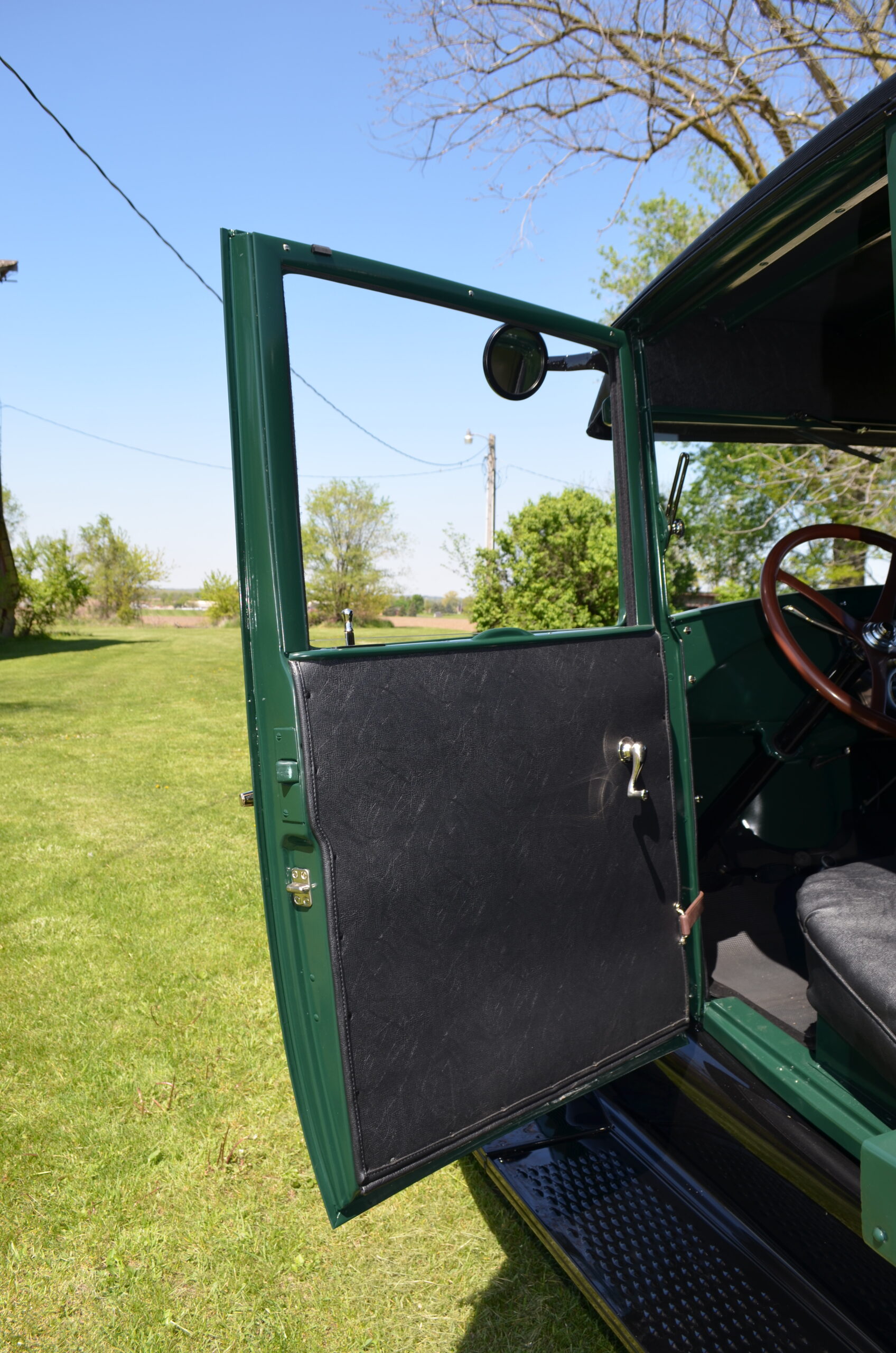
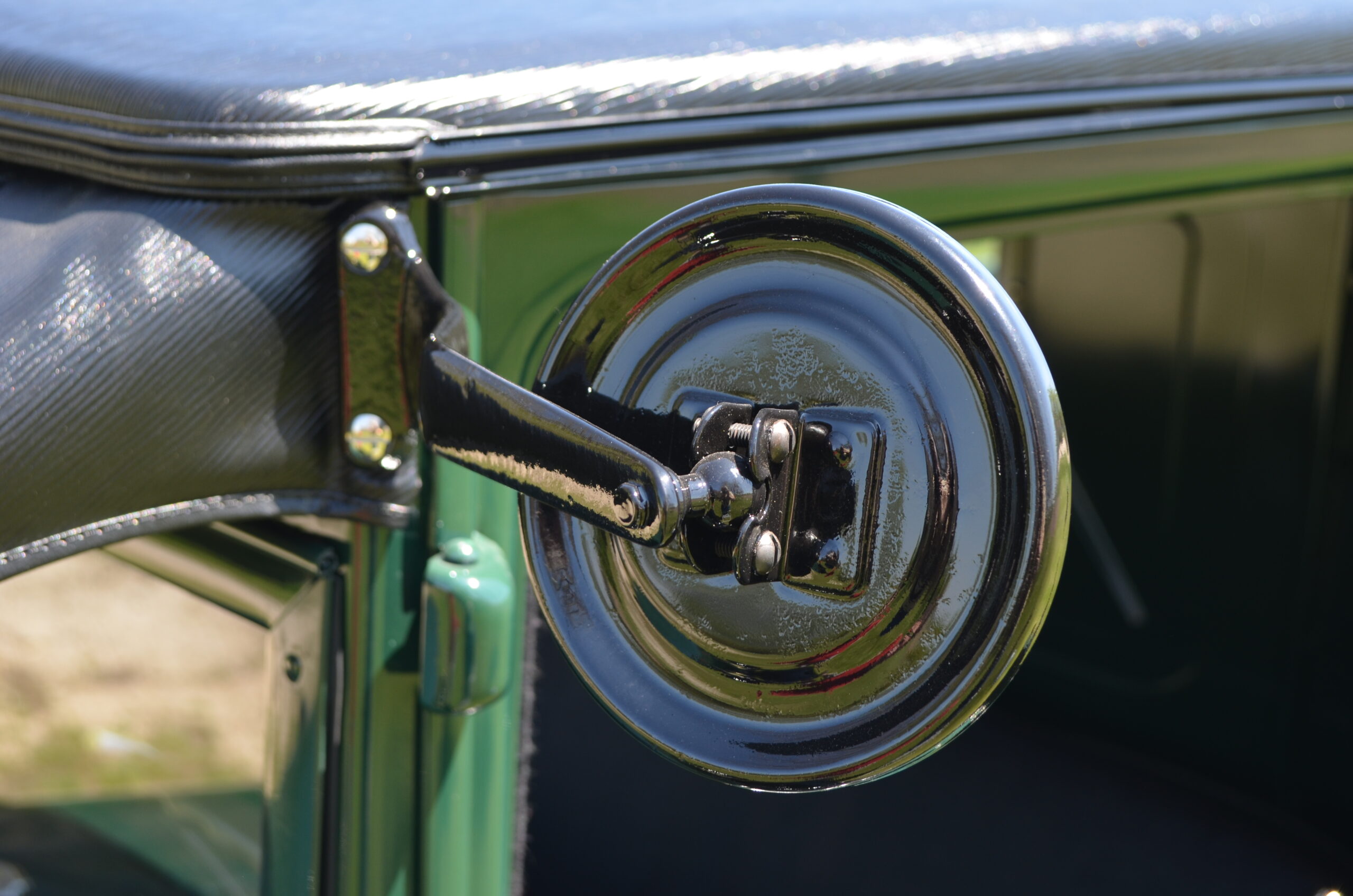
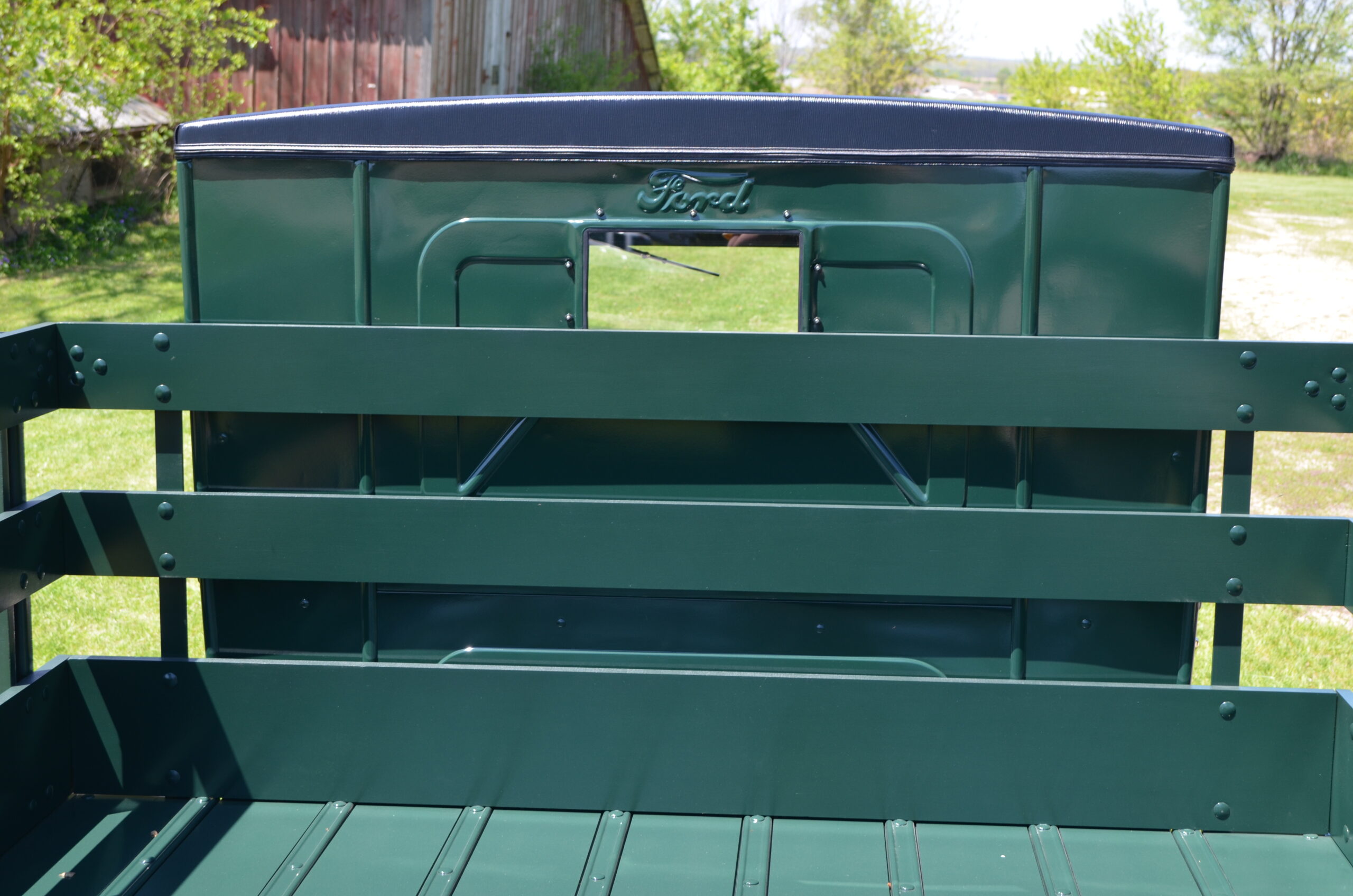
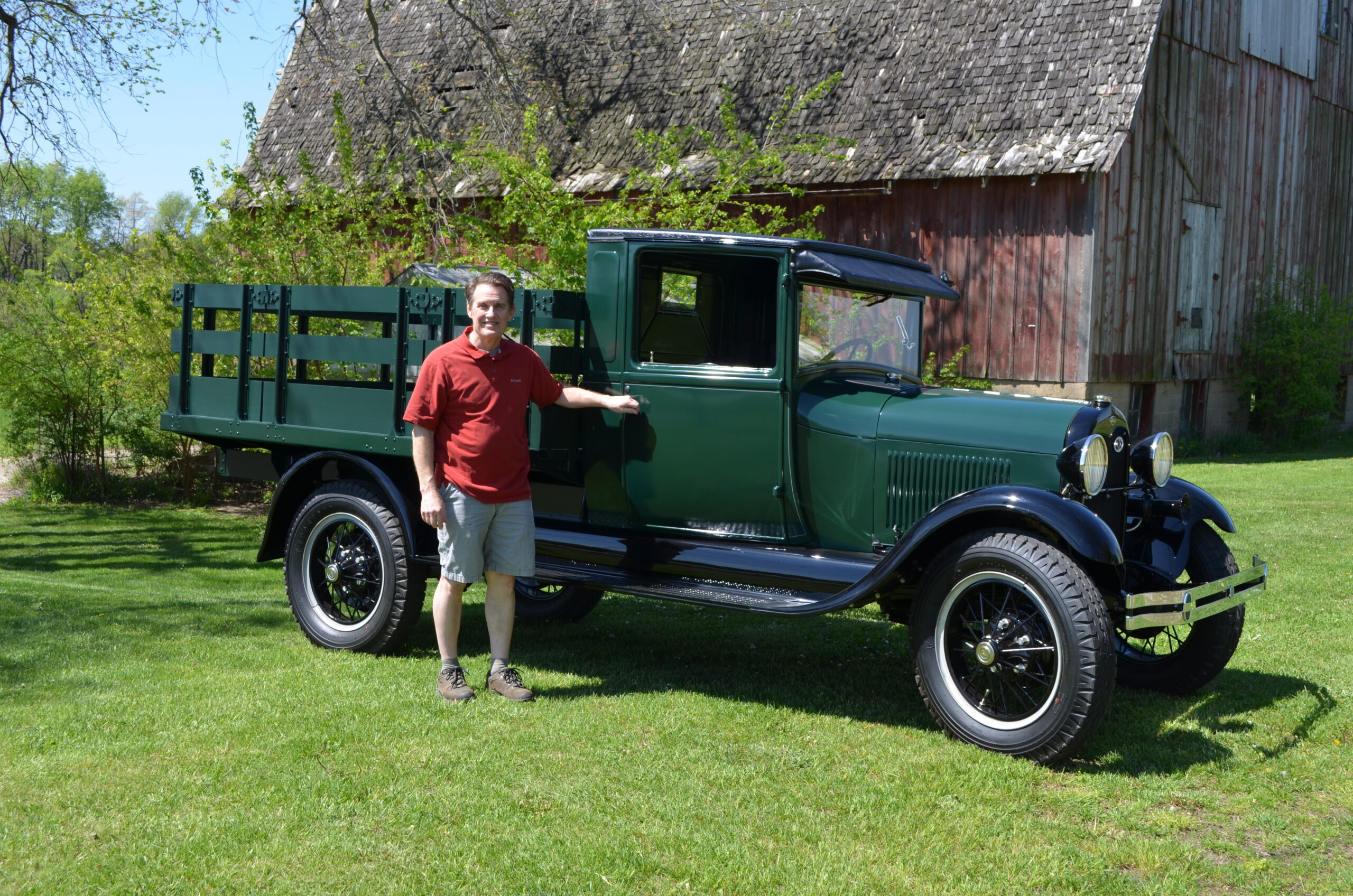
I spent the next 5 years restoring the truck, completing a ground-up restoration with nearly all the work done myself, including body and paint. The most apparent early features are in the body, such as the high rear window with Ford script and the Ford script platform body, and the rear-view mirror bracket is mounted to the sun visor. I really liked the optional rear fenders and was fortunate to find a pair of NOS rear fenders in Wisconsin, and a set of long running boards and shields from a junk yard in Kansas. I found the correct engine block in Pennsylvania and a solid-mount front cross-member on a frame in New York. The platform was in Colorado and the spare tire carrier from Iowa. I quickly learned that to find the parts you need; you have to be willing to travel!
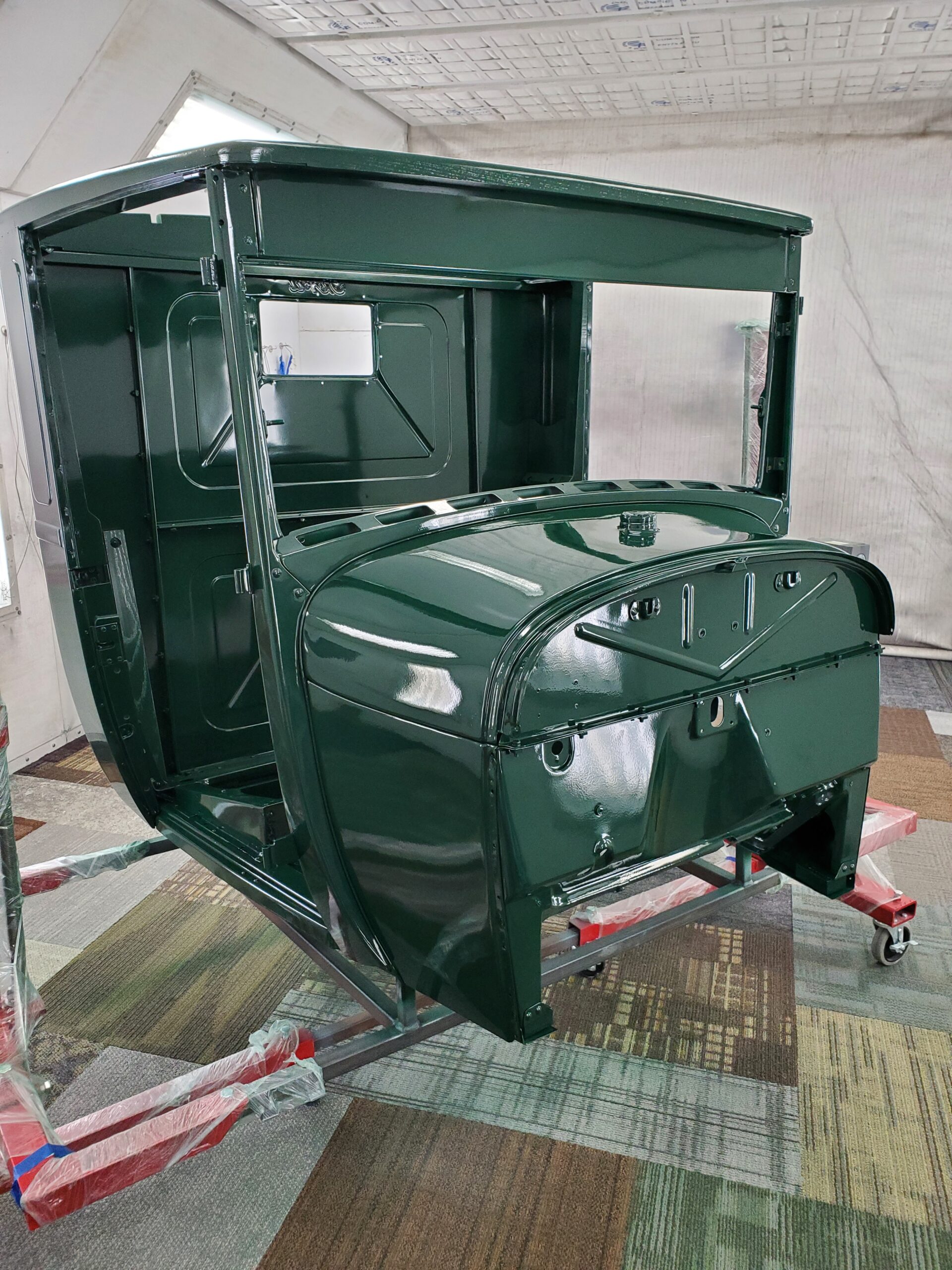
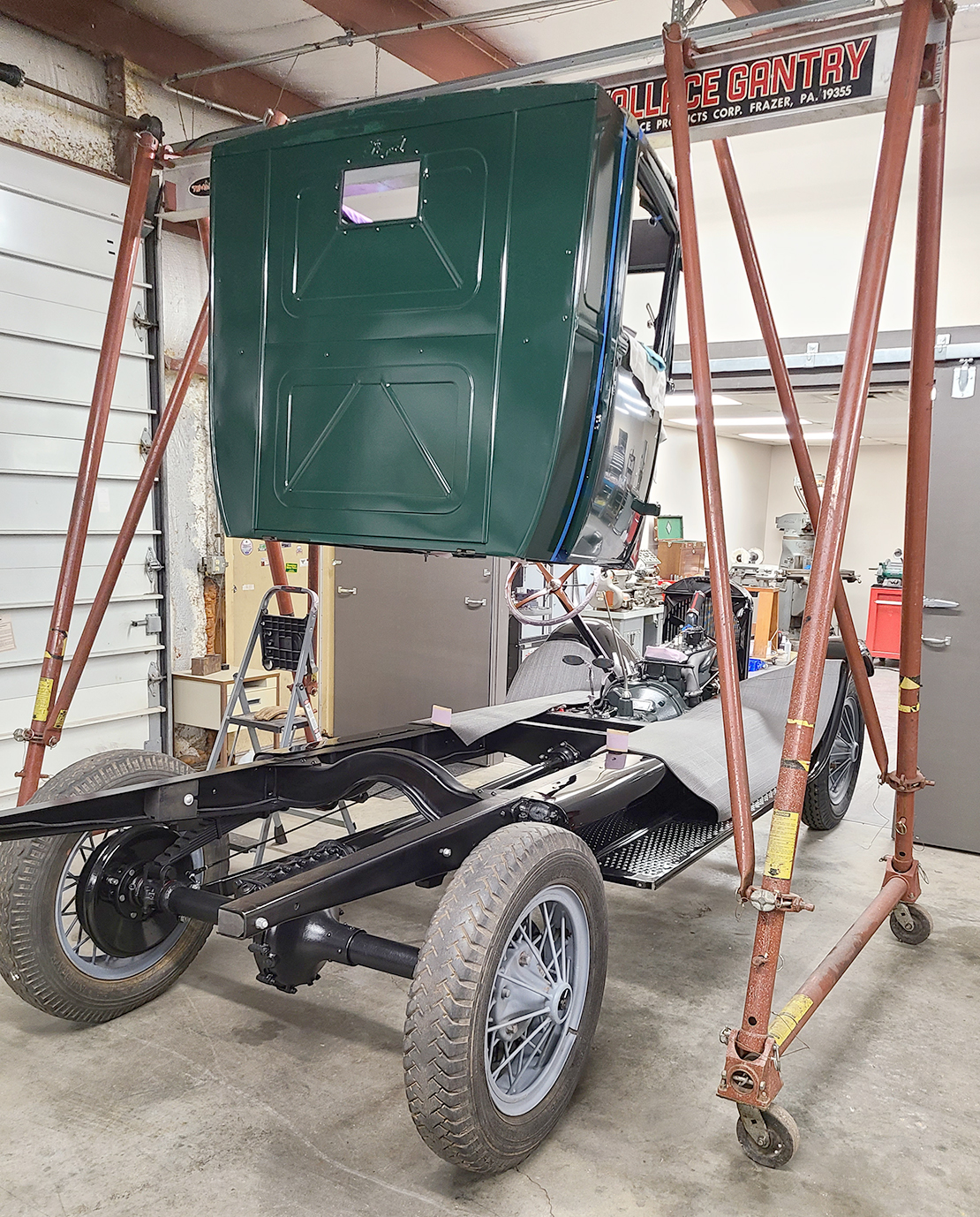
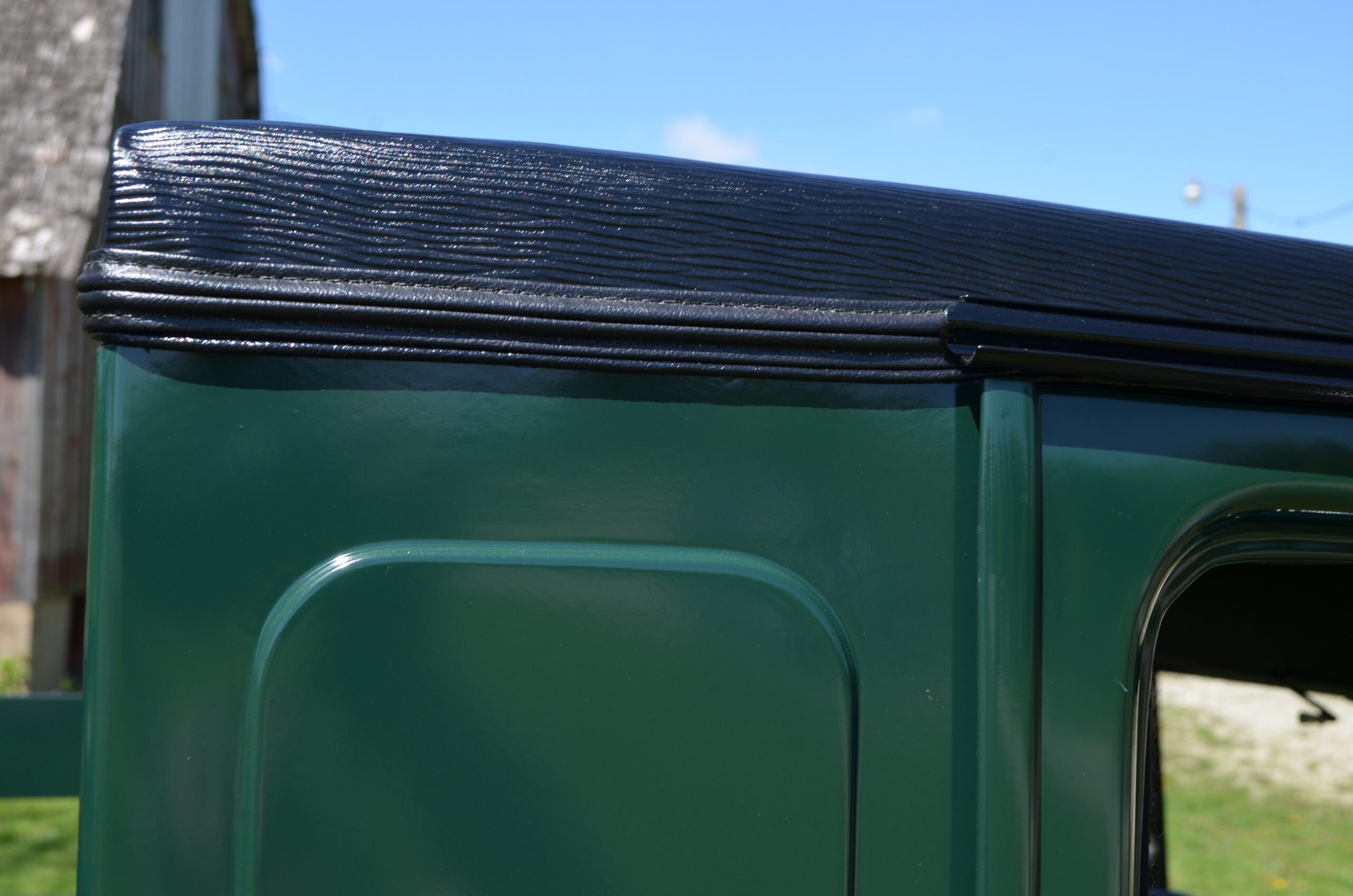
The truck body is painted Commercial Gray, which is actually a dark green and was the only color available for AA trucks at the time. The paint color was matched to cab trim pieces that still had original paint. This was my first time painting a car and I owe a big thanks to my good friend Bill Zimmerman, who showed me the ropes. I had sprayed woodworking projects, but I quickly learned that automotive painting is a whole new world. I did more sanding on this project than all my wood projects put together! I also attended a terrific painting seminar by Ken Ehrenhofer during Model A Days at the Gilmore. Ken’s talents and skills are amazing, and he answered many questions that day, as well as allowing everyone a chance to get a little hands-on experience.
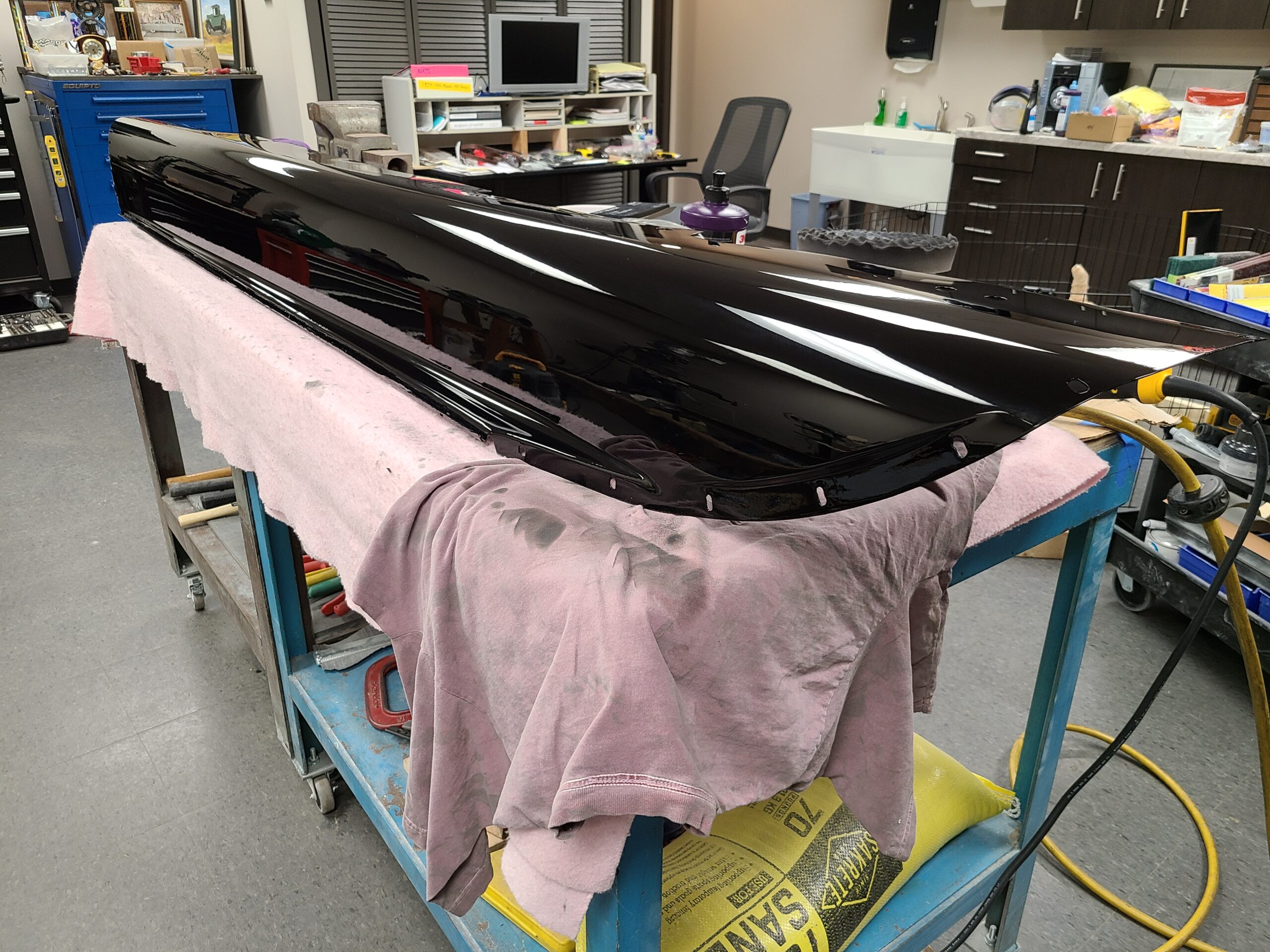
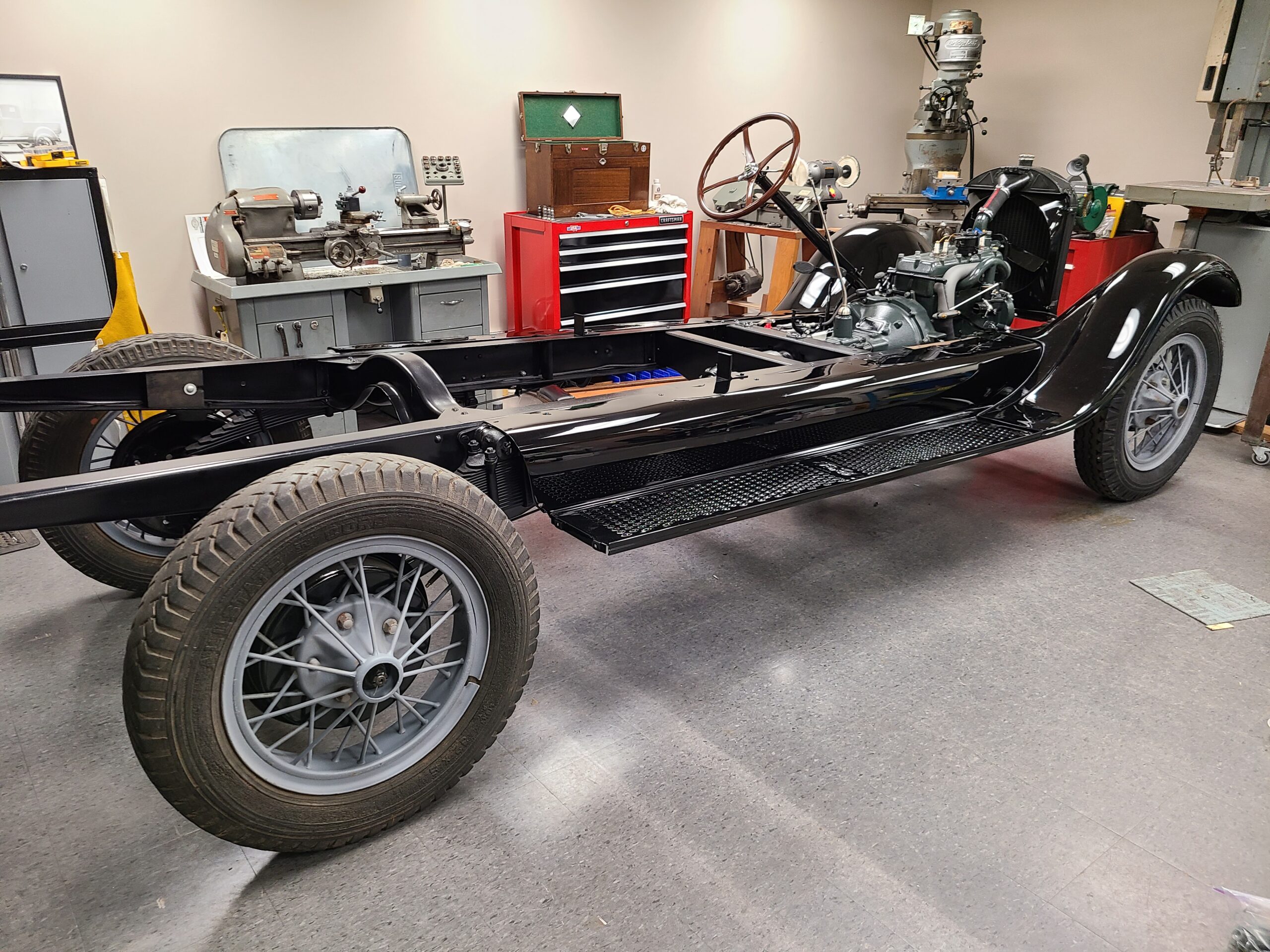
There was extensive welding and body work needed to repair the many cracks and dents. The cab floor had to be replaced, and the bottom portion of the rear panel was gone. The front fenders had reinforcement bars riveted onto the edge beads and the 6-foot-long running board shields were nearly cracked in half. I started out trying to TIG weld everything but quickly determined that for me, MIG was the better way to go.
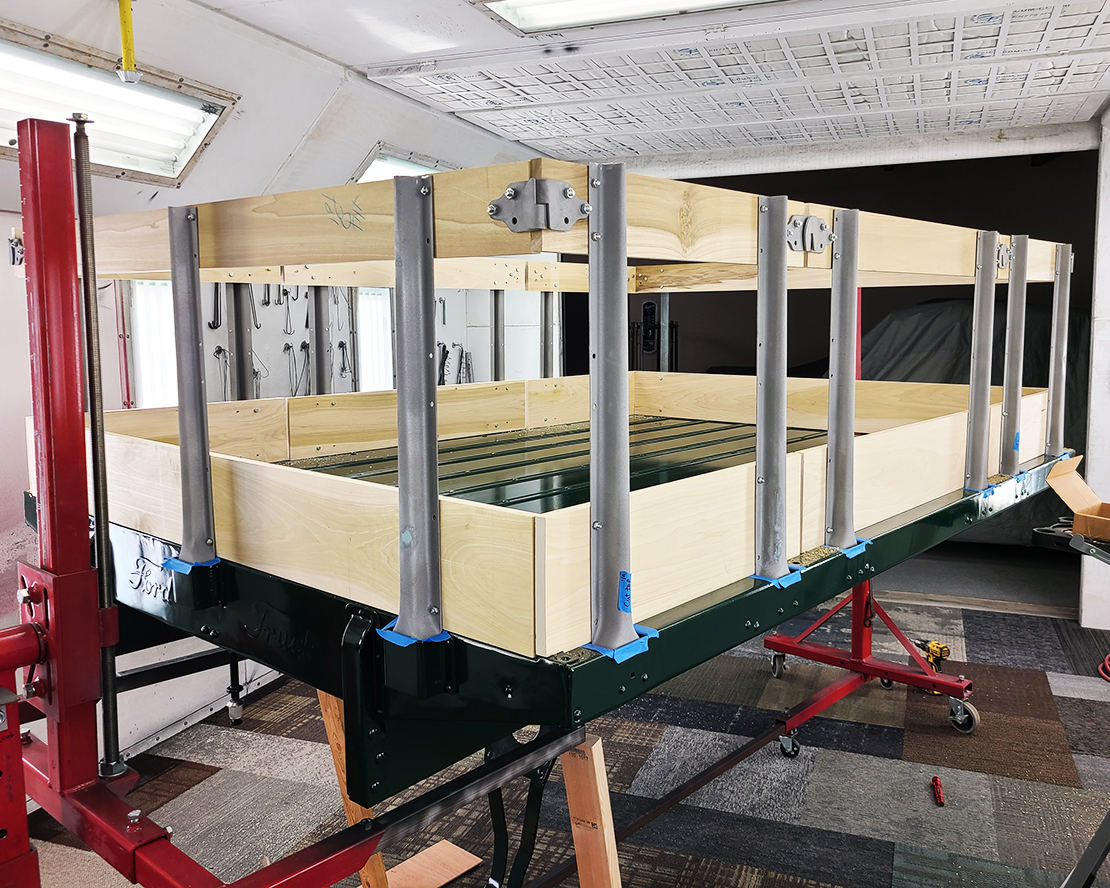
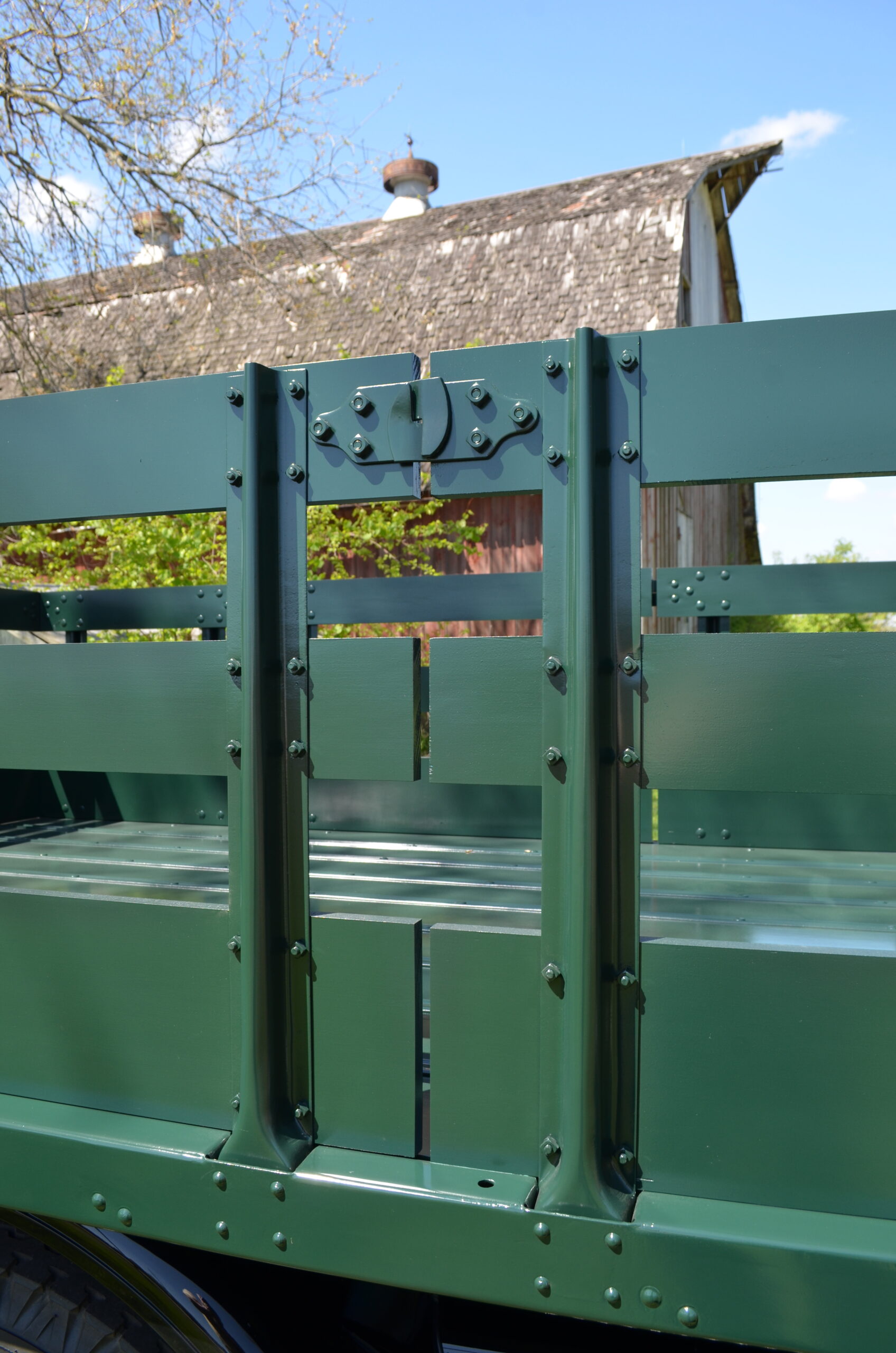
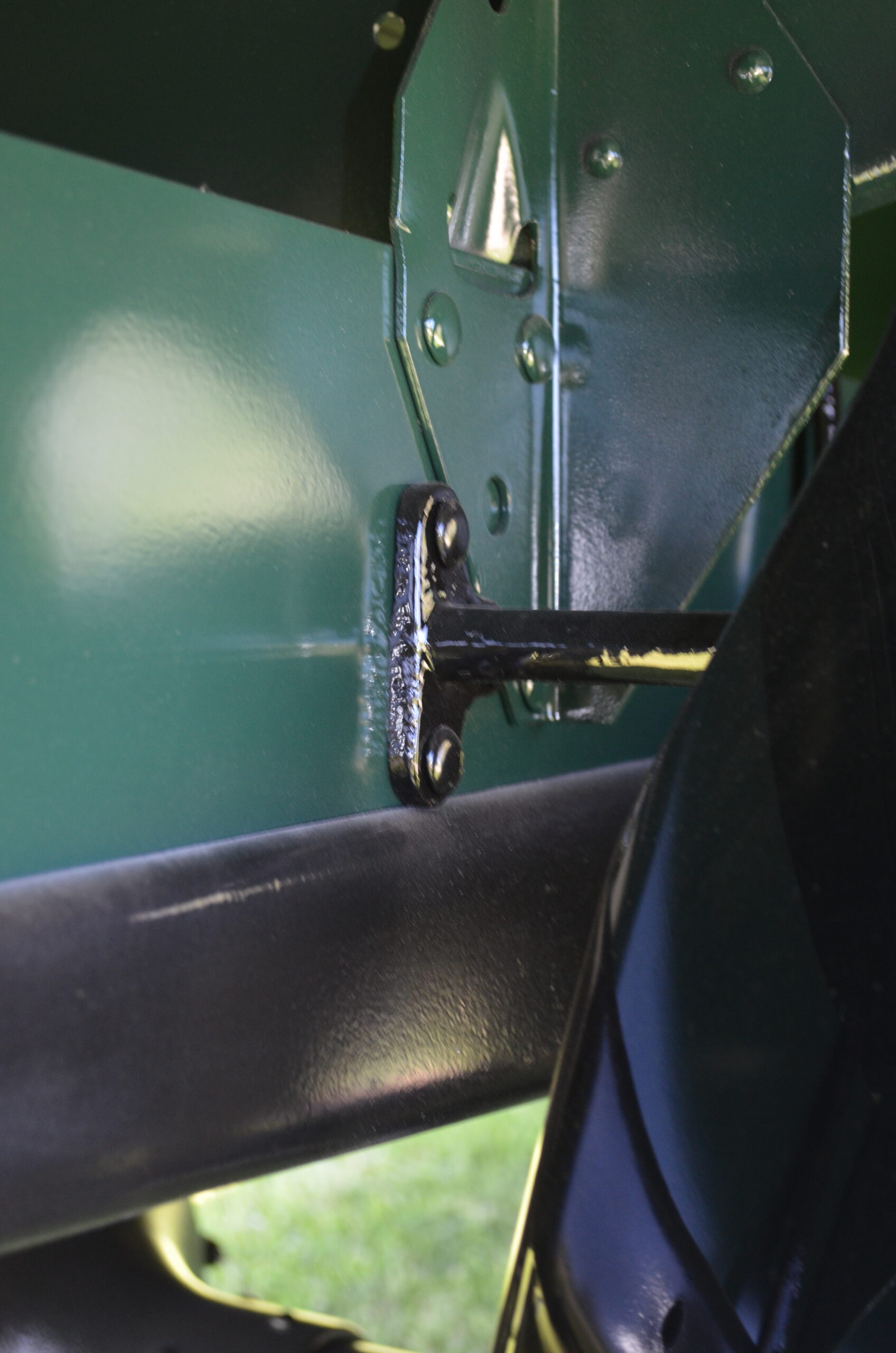
I used two components, single stage paint to emulate original paint as much as possible. All the black is polished, but I left the body color unpolished as this was the standard for commercial vehicles unless the customer paid extra to have it rubbed out. So all of the body paint is “as painted,” which adds a bit more stress to the project because “what you see is what you get” when done. The first body parts I painted were the doors, but as a part of the learning process, I ended up doing them twice! The truck has a French Gray pin stripe across the quarter panel and door and down the hinge pillar. My pin striping looks great thanks to Jim Brand, who is amazing. The final parts I painted were the platform and racks, which were painted assembled, like at the factory. I primed all the individual pieces before the assembly to ensure good protection and then painted the assemblies with another primer coat ahead of the color.
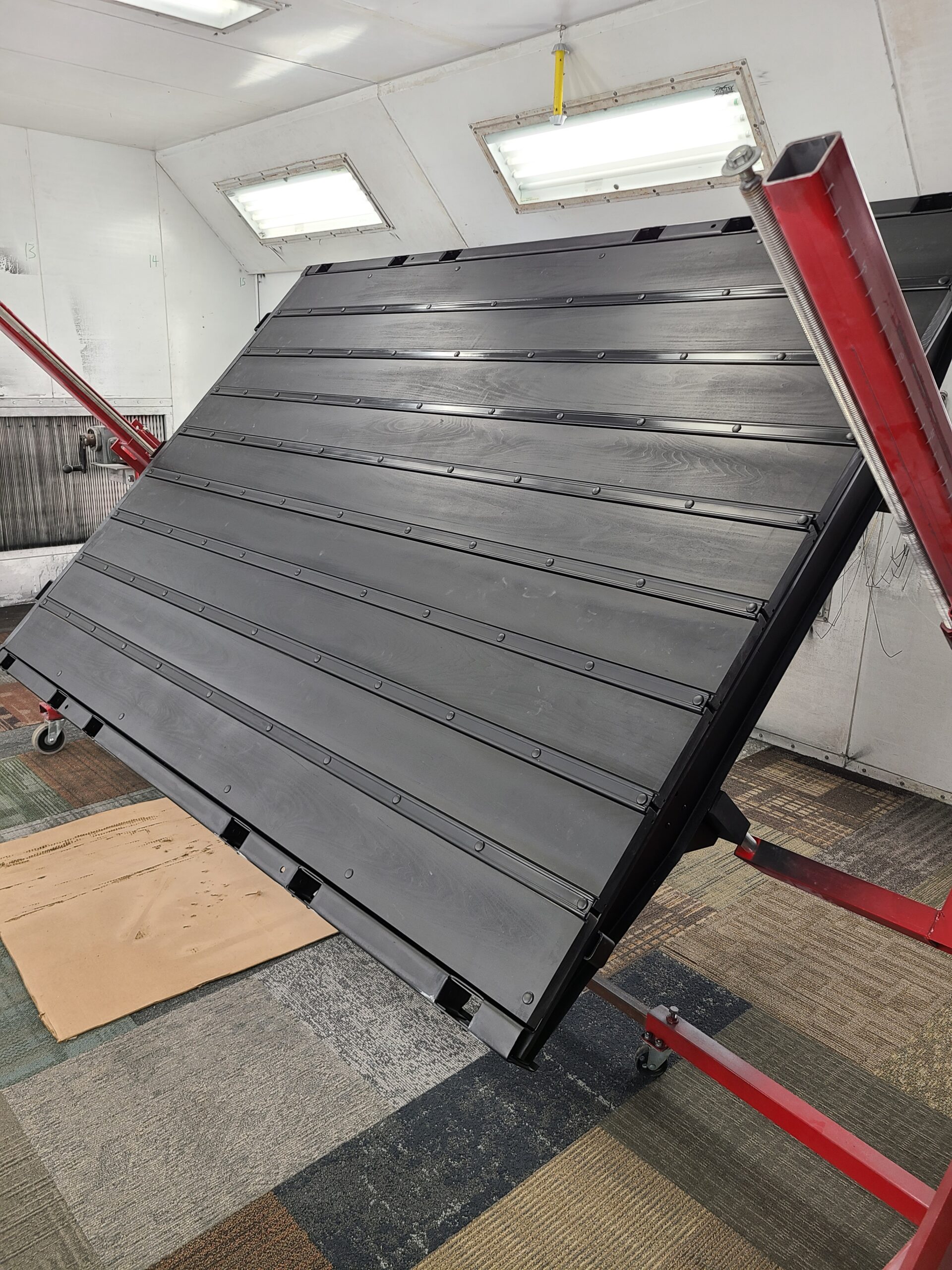
As I mentioned, the truck didn’t have a rear body, so I had to find one. I looked for several years but couldn’t find the early version with a Ford script on the rear. I owe a big thanks to Neil Wilson (our Ford Model AA Truck Club president) for helping me with many technical questions, but definitely his biggest assist was helping with the correct platform for the truck. And not only the platform, but the stakes, rack connections, skid strips, and much of the hardware. With 1200 various bolts, nuts & washers in the platform and racks, this was a huge step forward. I milled the main platform sills from maple, and the bed boards and stake racks from poplar.
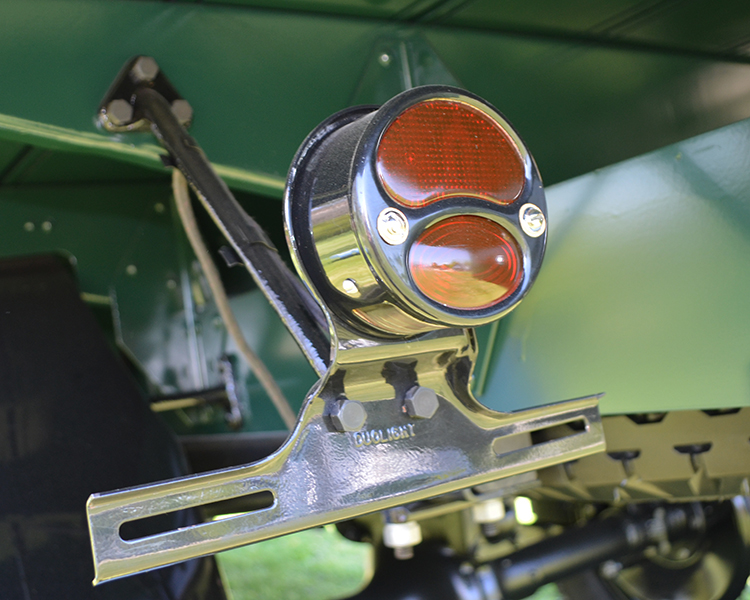
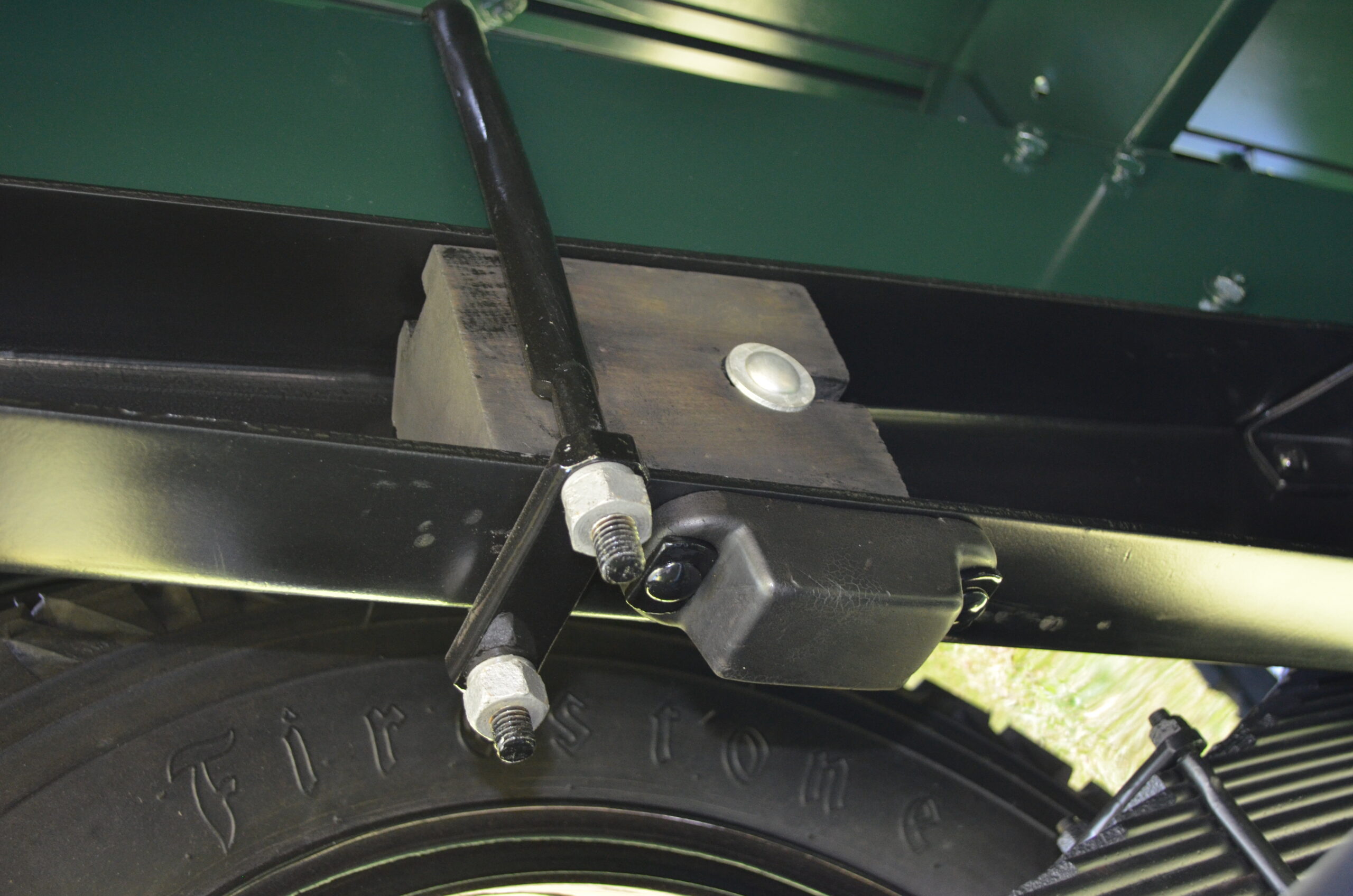
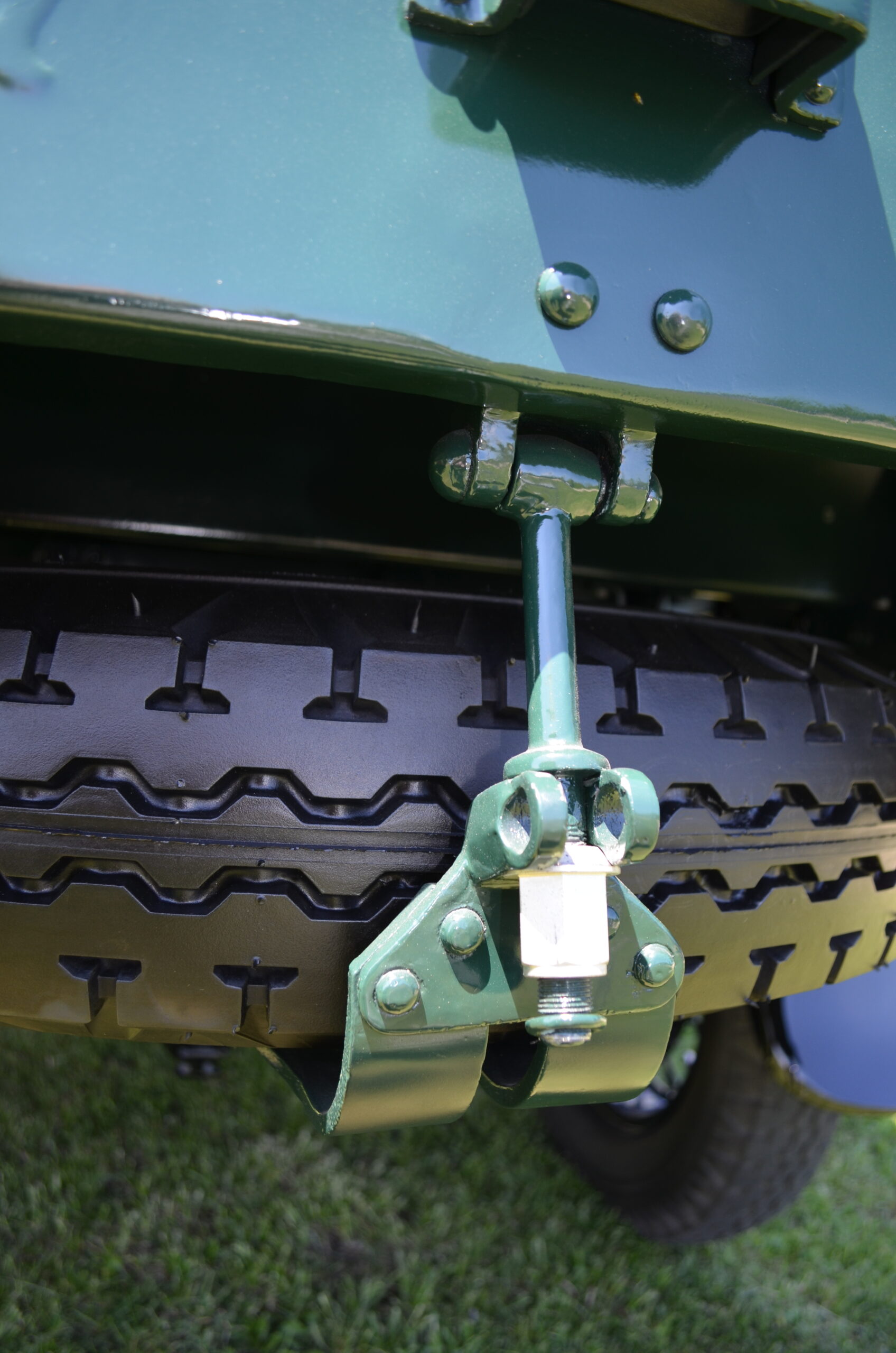
The platform didn’t have the under-mounted spare wheel carrier, so I had to find that on my own along with the special taillight and fender brackets. The correct wheel carrier was very hard to find since it was only used in early ‘28. The one I found was a good example of “sometimes to get what you want; you have to buy more than what you want.” I was watching an online auction in Iowa that listed a 1928 AA truck. It was a “parts truck,” but it had the early carrier hanging off the back. I had to buy the entire truck just to get the tire carrier. The truck wouldn’t even roll, so the seller helped to drag it onto my trailer. The good news was I got the entire truck for less than what the carrier was worth! I ended up scavenging several parts from that truck, so it was definitely a bargain, but it is still taking up space in my yard, LOL.
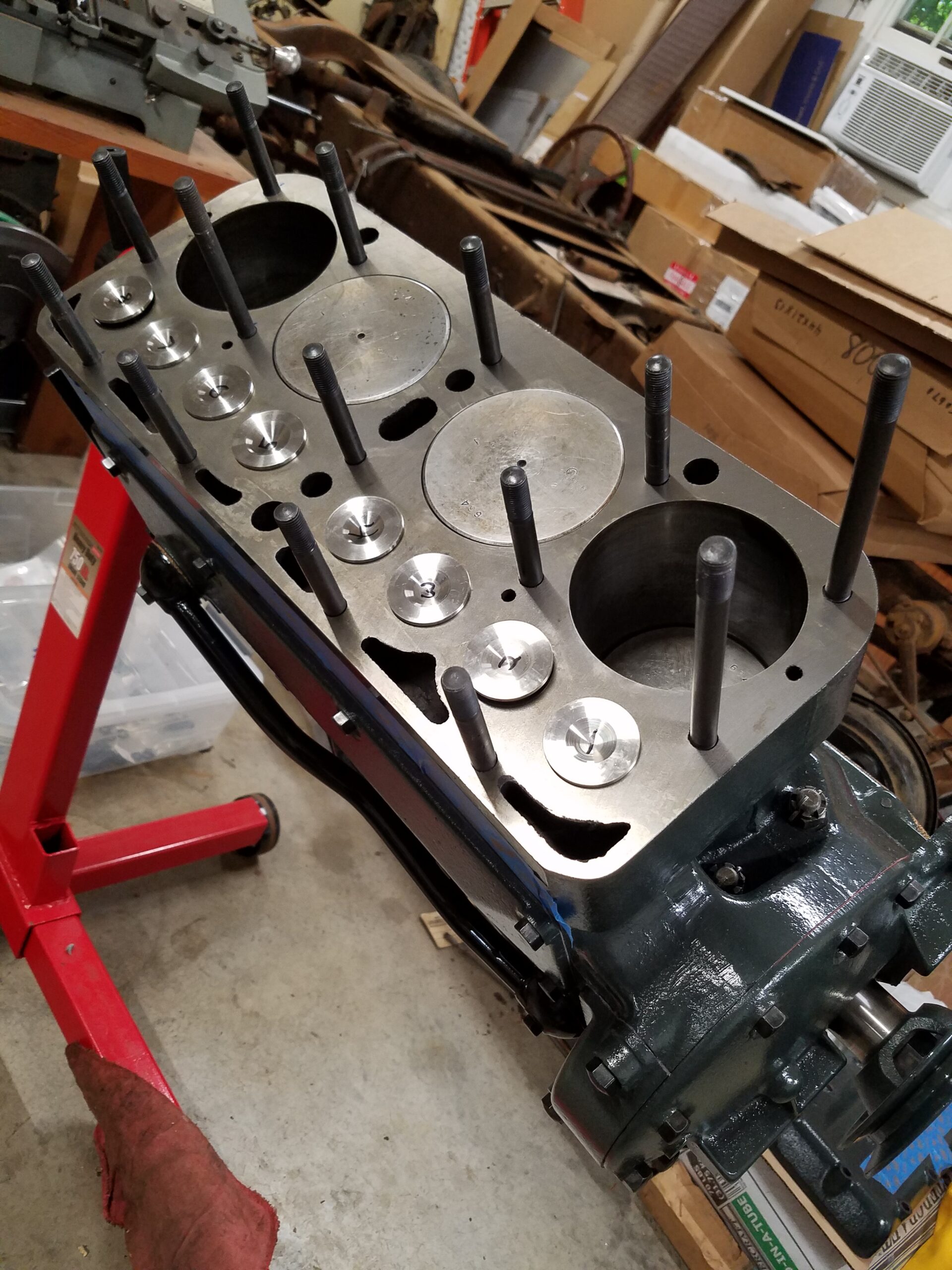
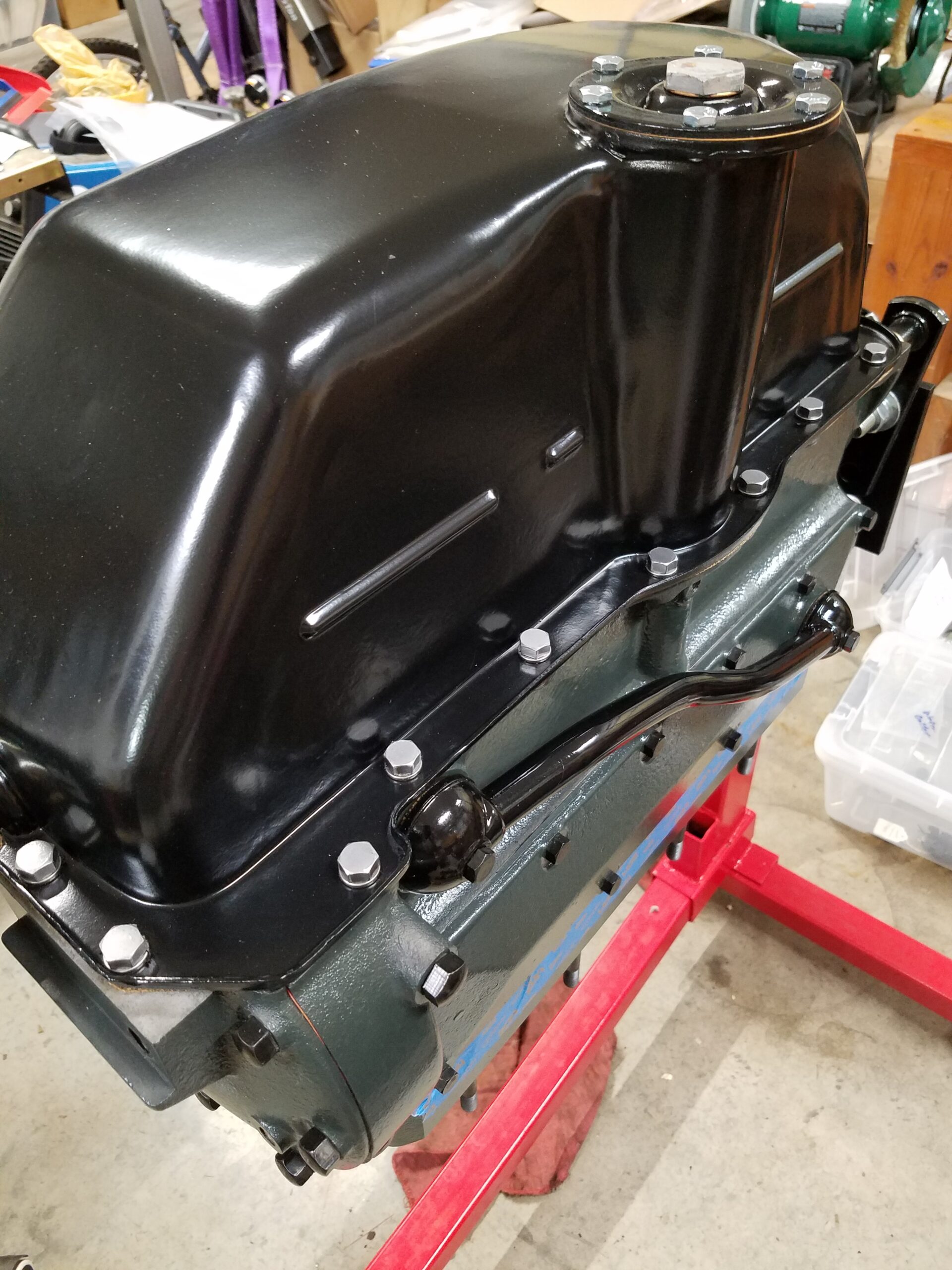
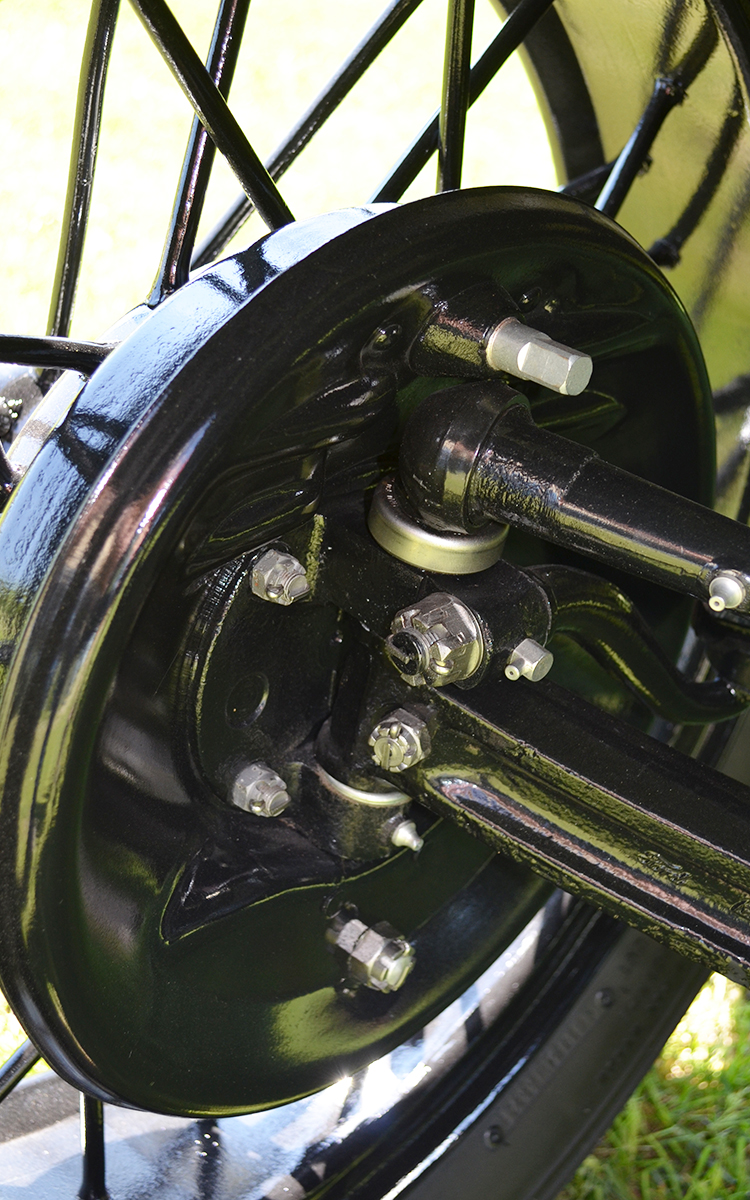
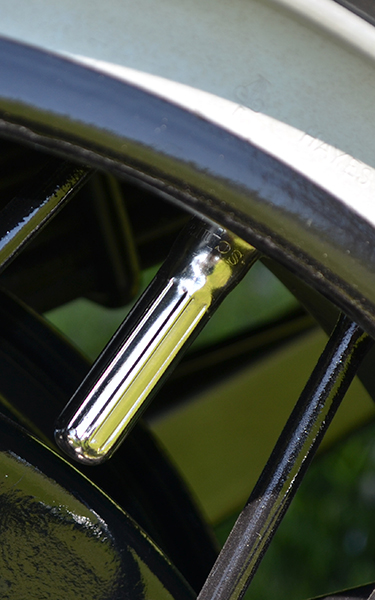
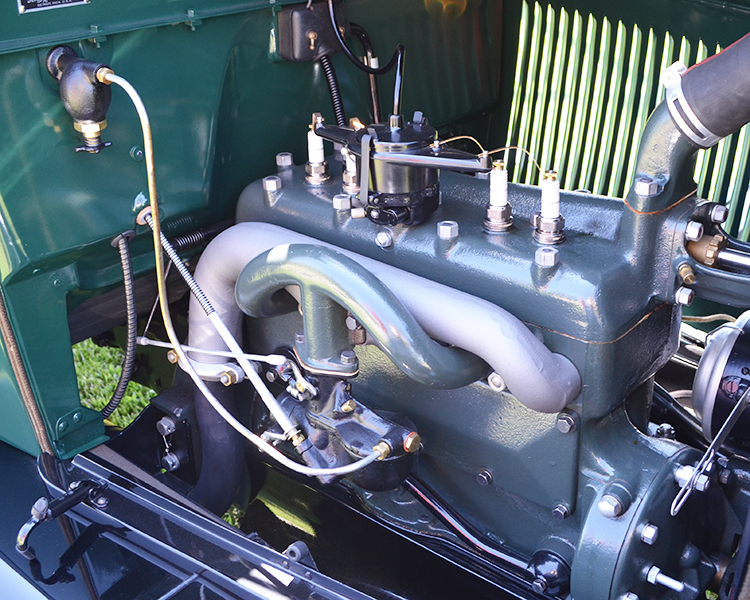
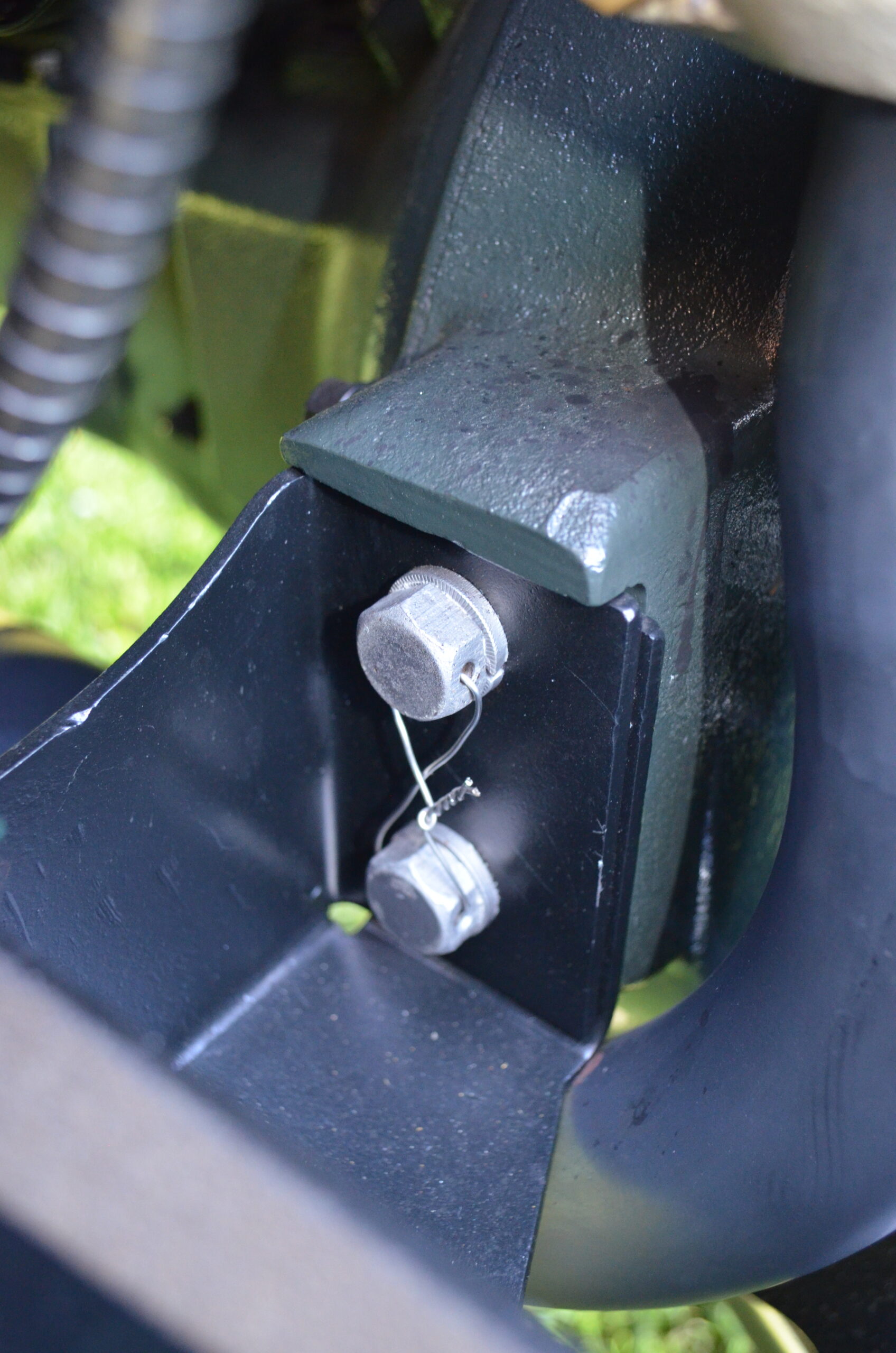
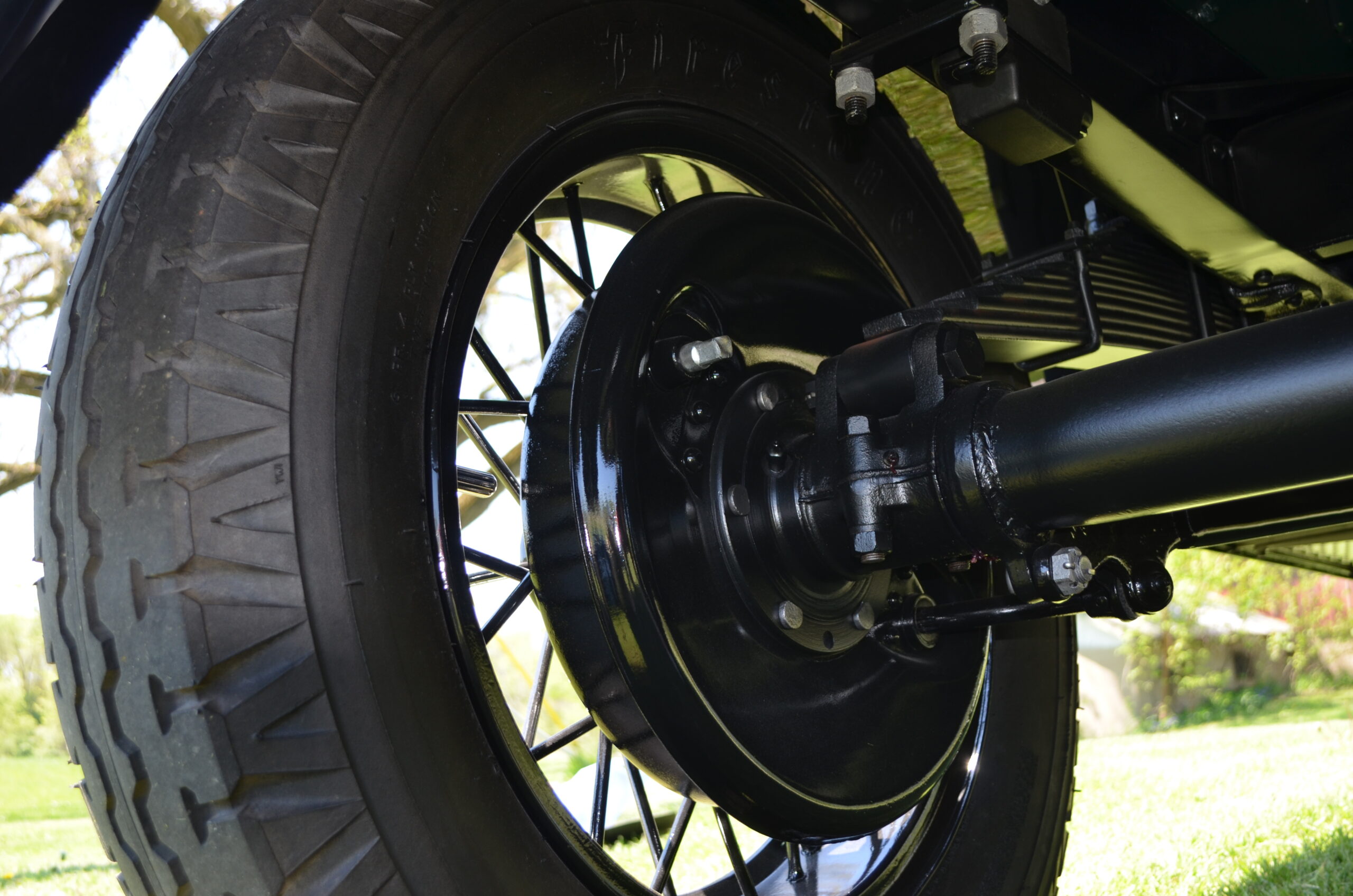
The chassis also has a number of early features. The truck has factory options of a front bumper and auxiliary “dual-high” transmission. The frame has the solid front engine mount with only 4 cross-members (a fifth cross-member was added in May). The rails are full width at the rear, with the combination of wood and riveted frame spacers (during the factory transition to riveted spacers). The engine has the same features as the early cars, including a 5 bearing camshaft and cast bosses where the flywheel housing and throttle control assembly mount. I rebuilt the engine and was fortunate that the block and babbitt were in good shape. I had the cylinders honed and the block and head “decked.” I restored all the drive train including spring packs, pivots and shackles. The worm-drive rear axle has “TT” cast differential housings and a ¾” fill plug in the rear cover. The steel spoked wheels have tall 15/16” wrench size lug nuts and special straight tire valve hardware with full dust covers.
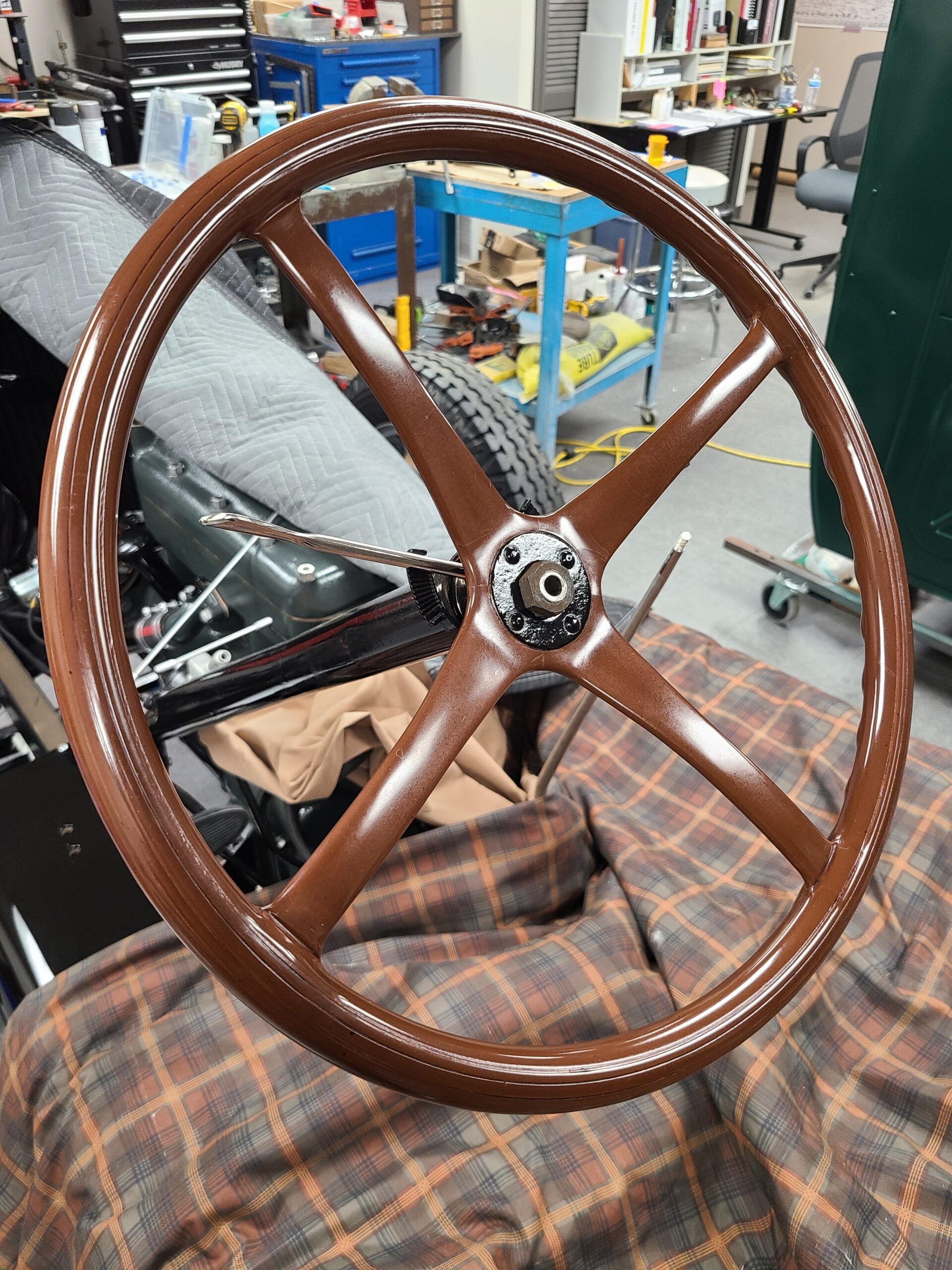
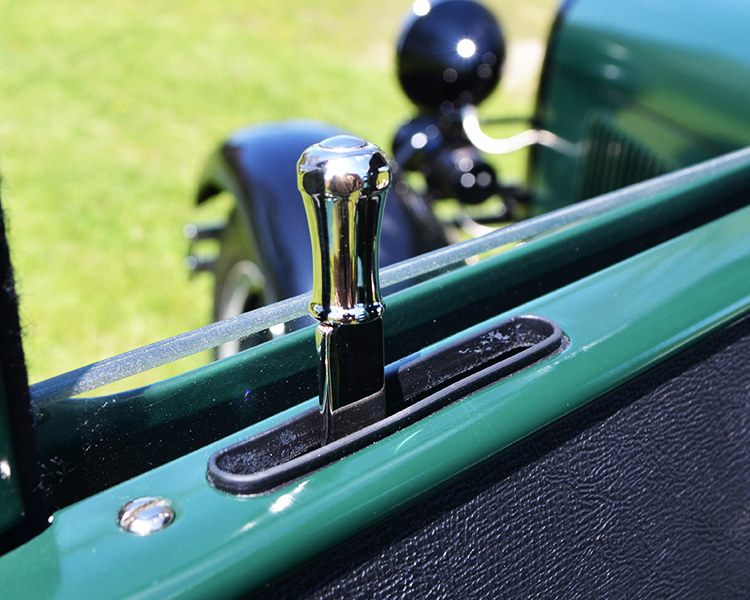
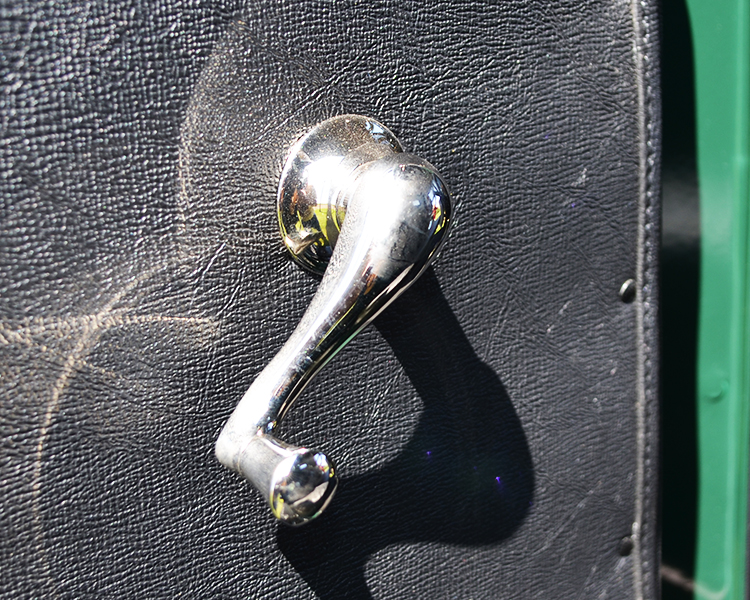
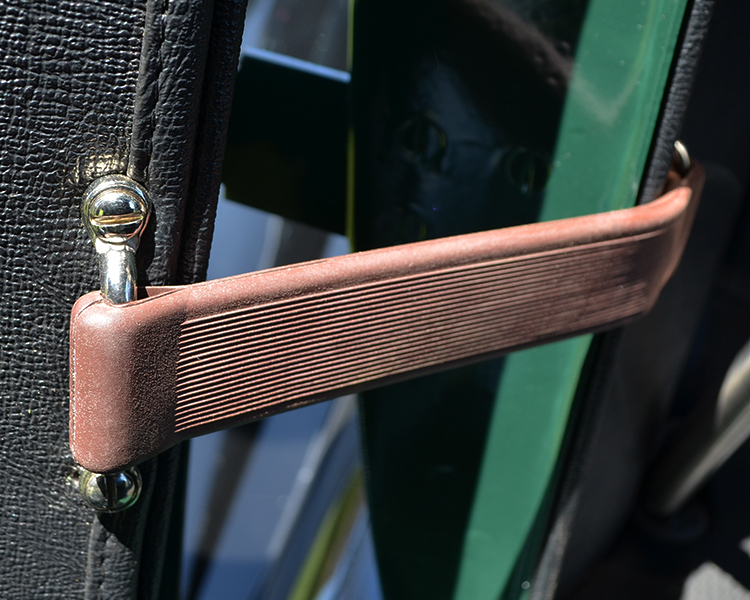
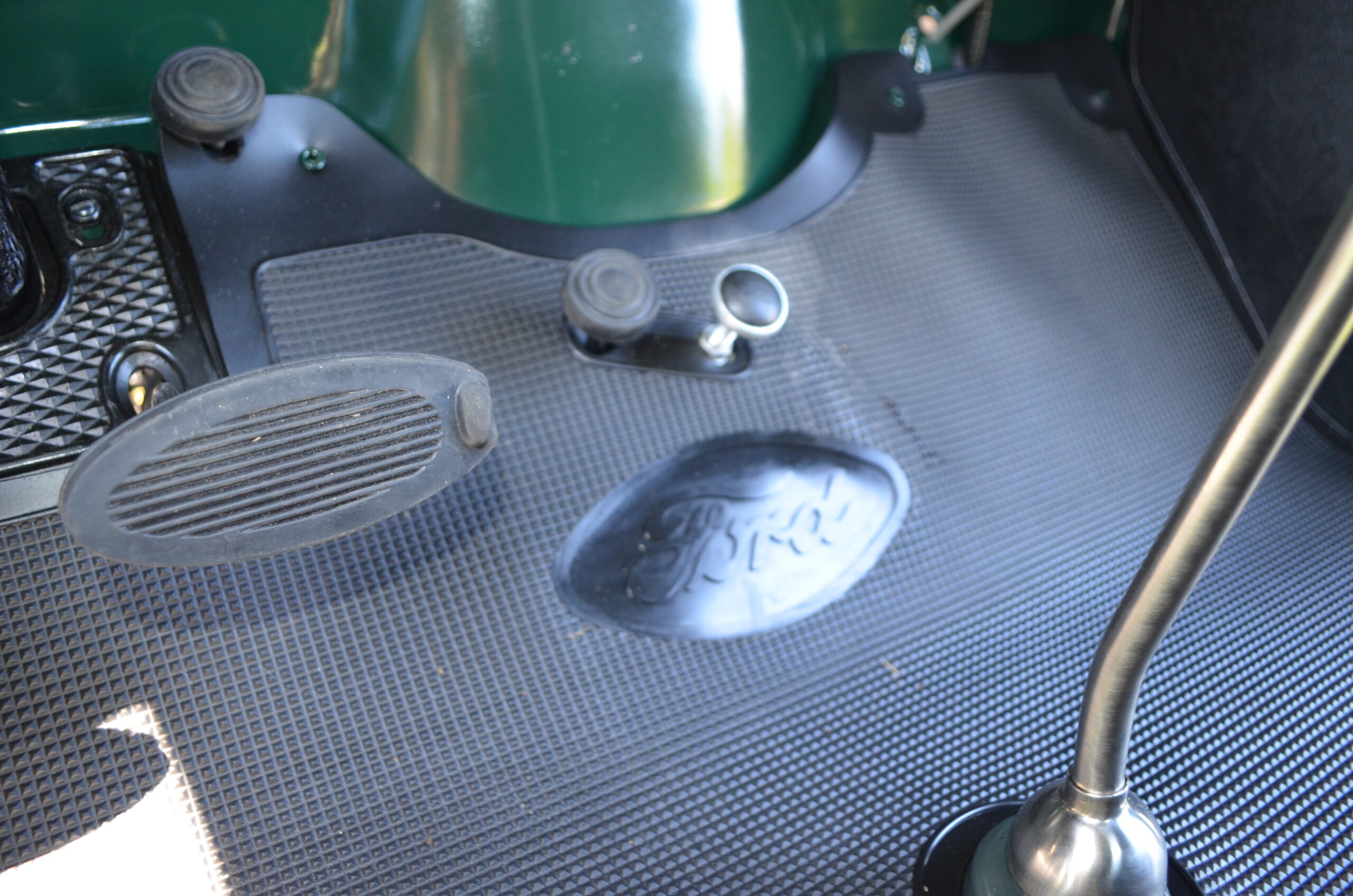
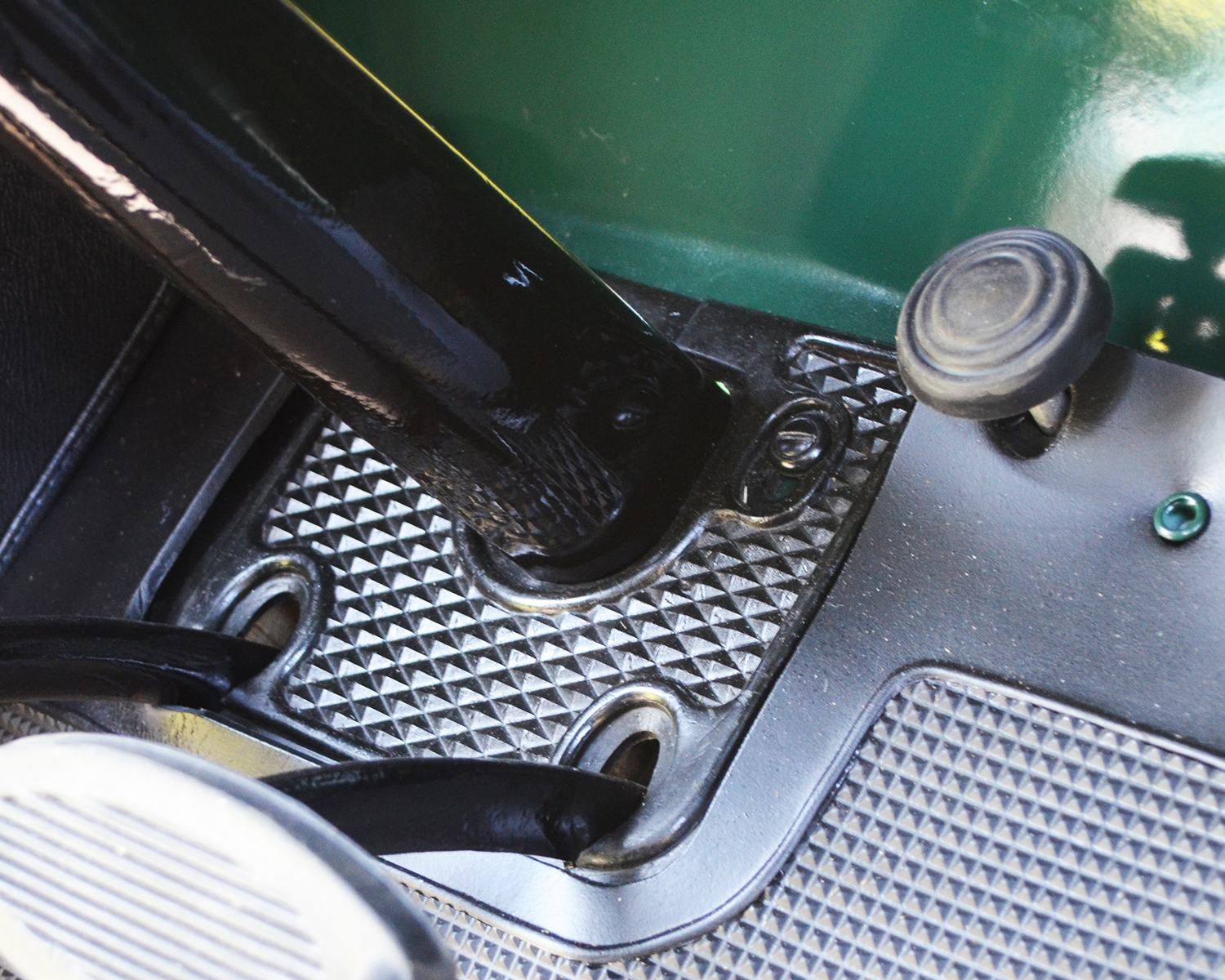
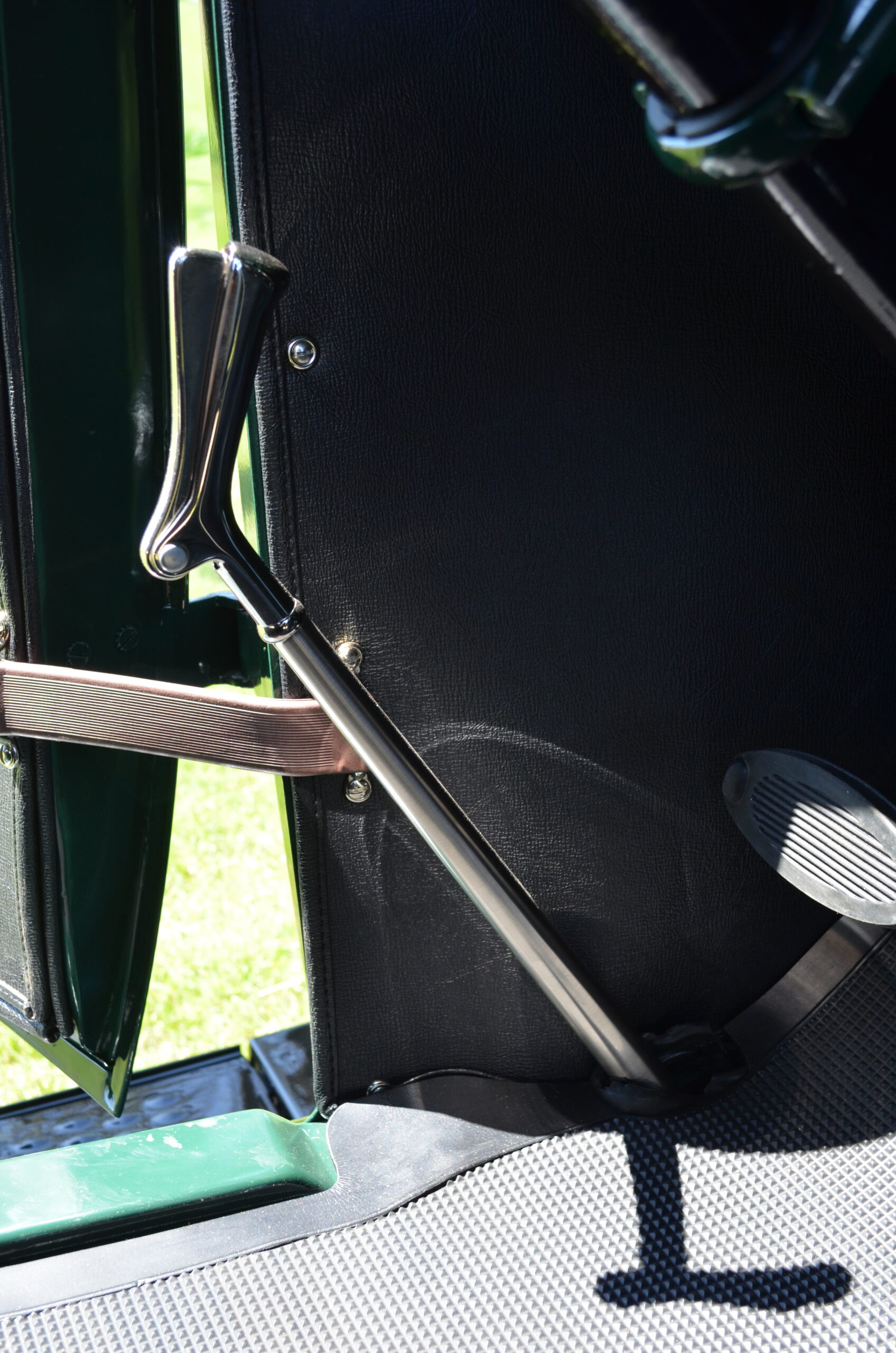
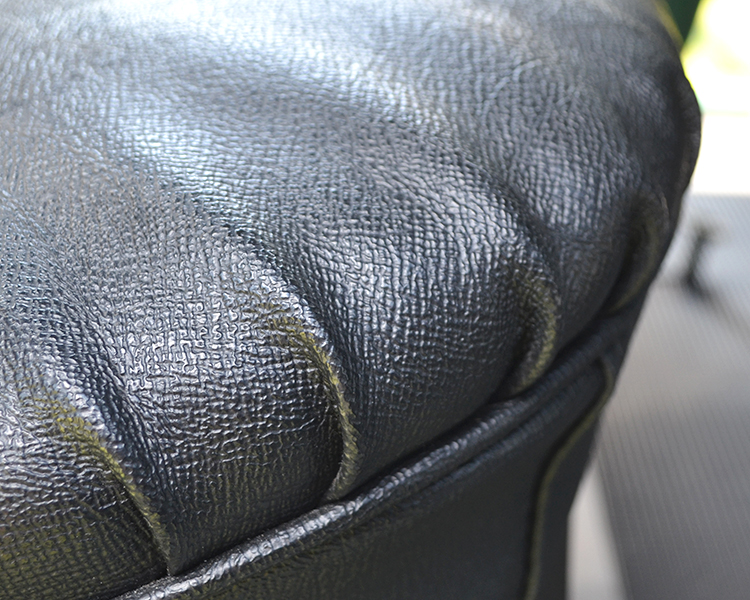
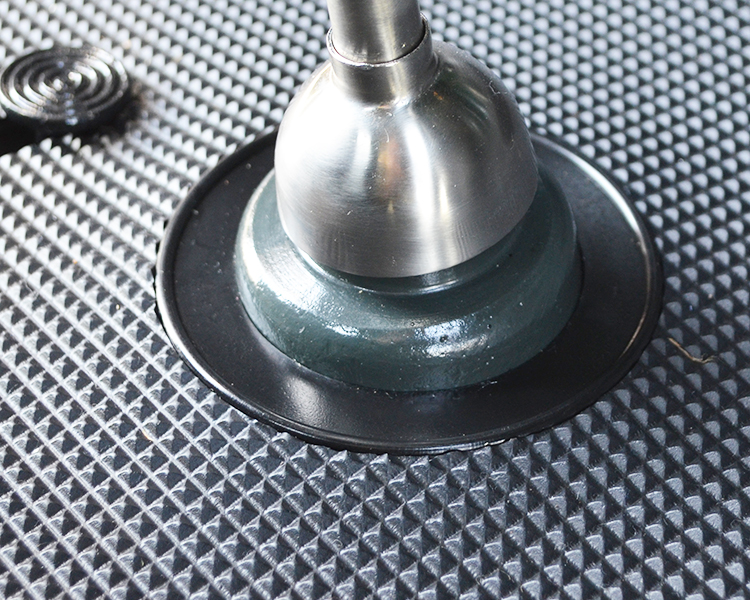
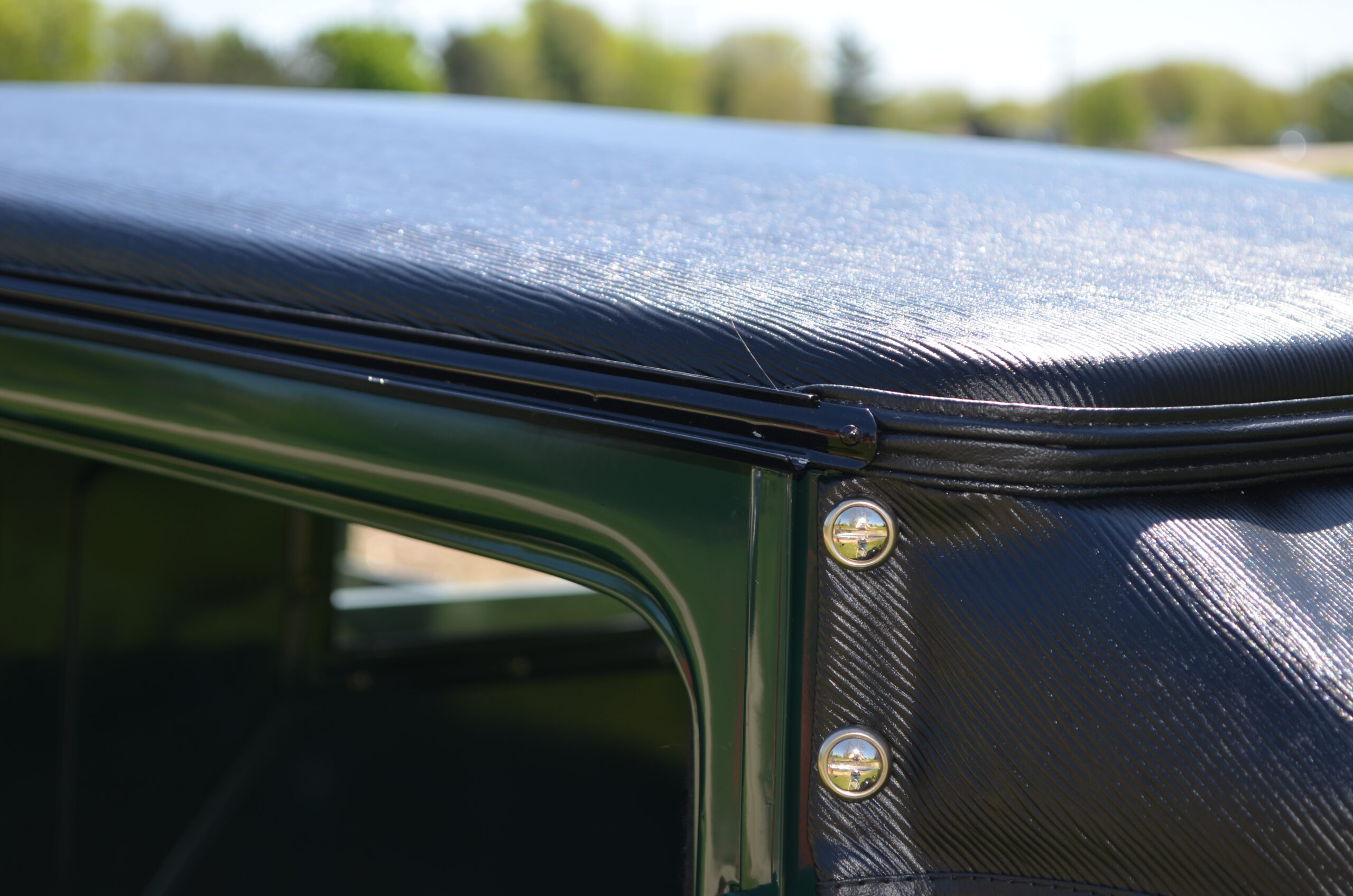
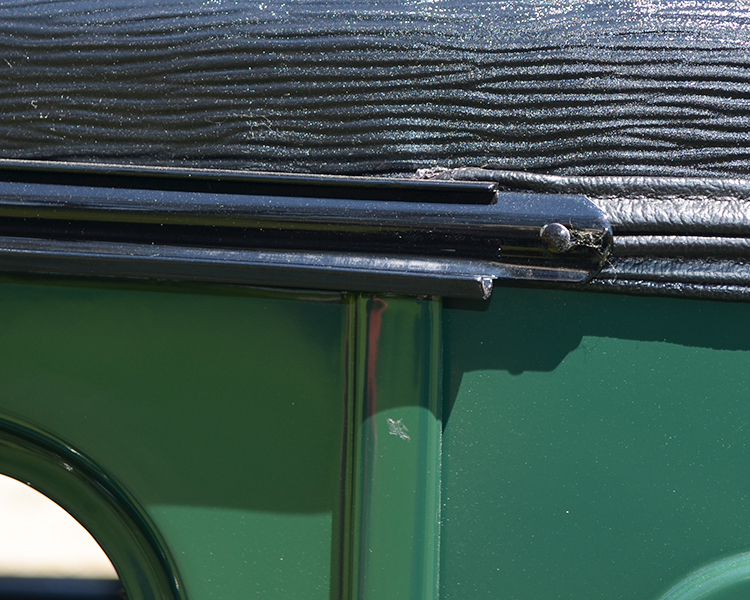
Early original floorboards were solid wood boards dovetailed together. Being a woodworker, this came more natural to me. I even authored an article on the process which was published in The Double AA’er newsletter and is available on the AA Fords website. I also created my early pyramid floor mat using a process shared with me by Bill Sturm of Sturm Upholstery and there is also an article available on this process. The cab top, visor and interior installations were completed by me with the help of Mike Francis at Classtique Upholstery.
When I started this project, I didn’t really have fine point judging in mind. However I have a strong sense of keeping cars as close to original as possible, so as I progressed, I found myself pursuing the most accurate representation of an “end of line” restoration as possible. I enjoyed the challenge of learning what was correct and then finding original parts to fulfill that goal. I also enjoyed getting to know so many people in the hobby and sharing knowledge and experiences. So entering the truck into fine point just ended up making sense. I don’t know if I will find the time and energy again and I wish to thank my wife for totally supporting me through the process. I am very proud of the results! At my first MARC Fine Point judging in 2023 I was pleased that the truck scored 476 and received the MARC of Excellence and Doc Kalinka Early Model A awards. In 2024 judging, the truck earned a score of 487 points in Asheville, NC, along with the Henry Ford and Masters Restoration awards. It also won a Junior First and a National Truck Award from AACA and will be competing at the Senior level in 2025.
These results couldn’t have been achieved without the many people who provided expertise and help during the restoration. A special thanks goes out to Neil Wilson, Bill Zimmerman, Bill Sturm, Everett Hessels, Don Turley, Gary Karr, Rob Mills, Jim Brand, Mike Francis, and Tom Kahila, plus many others who helped with advice and finding parts along the way. Also, hats off to all the people involved over the years with creating the Model A Restoration Guidelines and Judging Standards, which was the essential reference for restoring my truck. It has to be the best restoration guideline available for any vintage car.
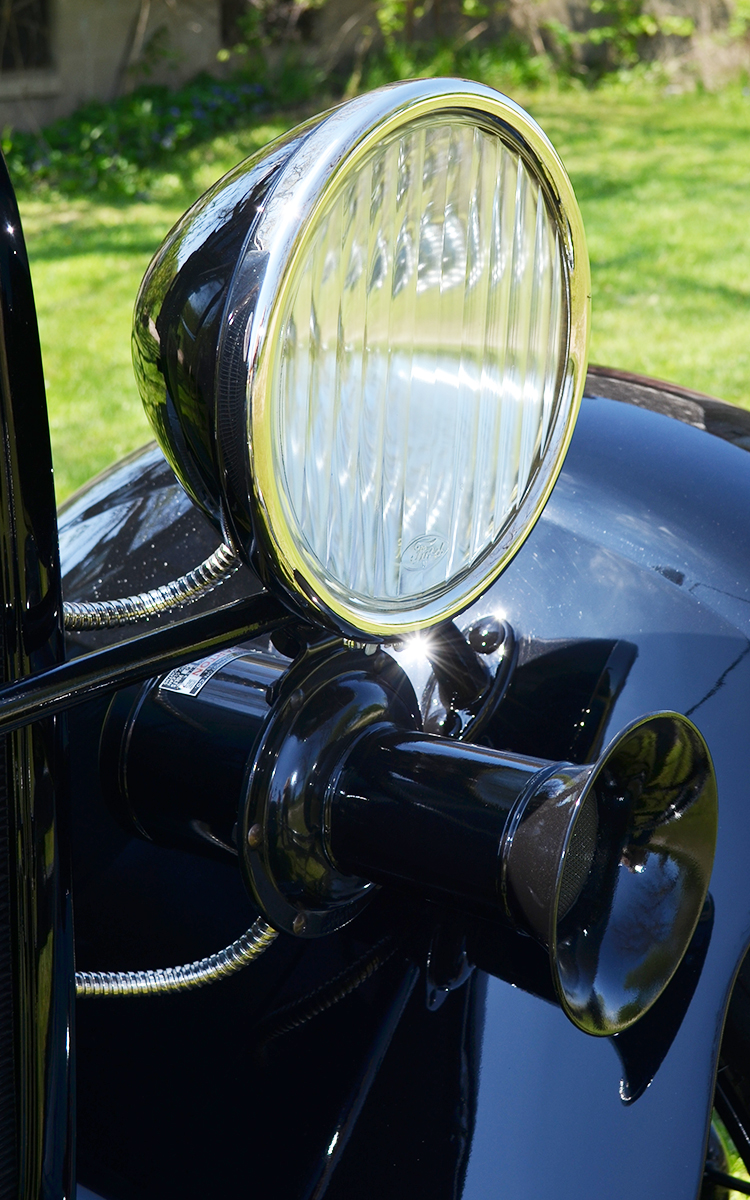
Enjoy these photos of Brian Jensen’s restoration of his AA.