 I never knew ‘Doc’ Kalinka, Steve Ciccalone, or Fred Gooding, as I just got into the game a little late. I had heard many, many stories of the “AR” Group.
With the information they were finding and the articles that ‘Doc’ wrote, I guess all of us in this hobby have a special interest and each has its own uniqueness to it.
About ten years ago, this “AR” or early car bug bit me when I found a very early AA chassis, AA4343, built on December 27, 1927. Because of so many differences, it was like being part of the beginning of the Model A era at Ford Motor Company. The more I found, the more I wanted to know. I began looking for documentation to determine how long these unique features were used. I didn’t realize how many people were so interested in these early vehicles.
That’s when the flood gates opened. I started getting calls about early parts for sale. So, while tracking down a lead on some parts, I found A290, a very early Phaeton. By then, my AA truck was complete so, I guess I needed to start on the Phaeton. During the restoration of A290, I got a call from a man saying, “I hear you like early cars.” I replied, “Yes, I’m working on one right now.” He asked if I would like a Roadster? My reply to him was “what is the engine number?” He informed me that it was A1519, at which point I asked him to hold on. I went to the build sheets and saw that it went to final assembly on December 6, 1927. I said, “Of course I’ll take it.”
A little while after A1519 showed up, I was looking for some parts and through a series of phone calls, I wound up making a call to a man in Vancouver, B.C., Canada. While on the phone with this man, I discovered that he owned a straight rail car.
As the story goes, the car was found by Fred Louch, who owned a trucking company. He would visit Ford dealers throughout Canada as well as the U.S. and buy any new Model A parts they still had on their shelves. Through his travels, he found this straight rail car. Through the 60’s and 70’s, he restored the car and told everyone that it was a very early Canadian car. I later found an article about it in the Restorer Magazine that told his story.
After Fred passed away, the Roadster was purchased by a man in Canada that wanted to rebuild it as a pre-production car that came from the U.S. He never ended up doing much with it.
We had many conversations about the car, so I began researching the time frame this car could have been built, and where. It was definitely a U.S. Built car and built sometime in the summer of 1927, and was to be used for development. After many more conversations, I told him I know someone on the West Coast that could help him with the restoration.
We spoke a few more times and one night he said to me “Why don’t you buy the car and all of the parts from me?” I almost dropped the phone! I asked him why he doesn’t want to restore it? He said that at his age plus all the research that I had done on early vehicles, that I should own it. He said he knew I would do a great job restoring it correctly.
I then called up one of the early car guys still left, Dean Drenzek, and asked him if he might like to go on a road trip with me. When I told Dean I found the earliest car ever, he said “I’m in!” A few weeks later, we met in Washington State, flew to Blair, and rented a U-Haul truck.
Within one hour, we met Doug, the owner of the car. We were both really amazed that something that wasn’t thought to even exist was in this man’s garage, and was complete and running!
After looking over the car as well as some of the parts, we all went to an early dinner, then to sleep so we could get an early start the next morning loading the U-Haul. That took four of us about six hours to load everything. The next morning, we headed back to the boarder to go through U.S. Customs.
After about one and a half hours, we sat at McDonalds in Blair until the carrier came for the car. Dean and I started our 3,000-mile drive across the Northern United States, a trip I will never forget.
After I got home, it was already late fall, and I just wanted to spend time studying the car. So many features were different, even from the very early production cars.
Fred Louch, the man that found the car, restored it to be the earliest Canadian car, but this was a completely different development car. The interim chassis and body were so different, it became obvious that there were so many changes that Ford went through to get to the production cars that we know.
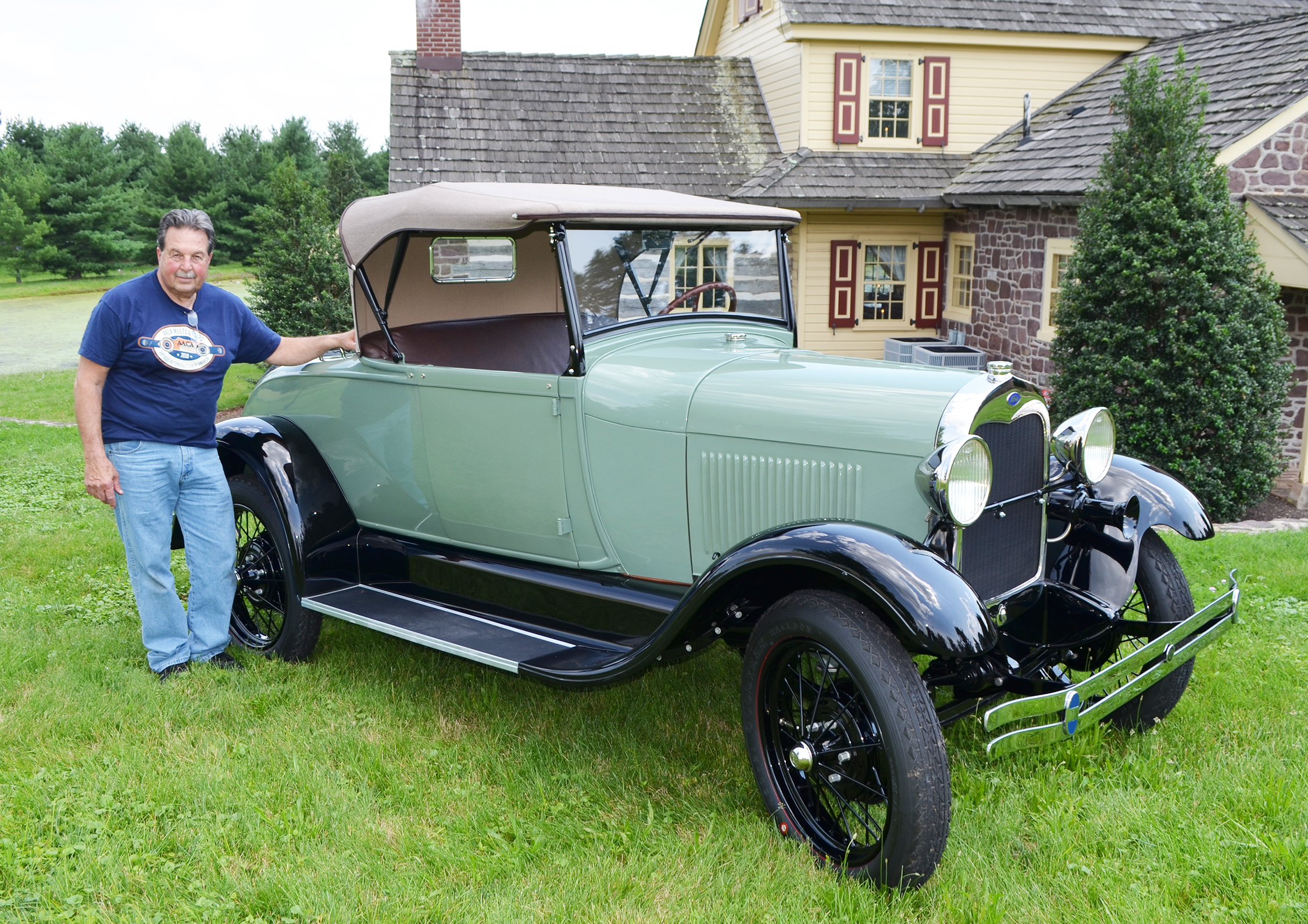
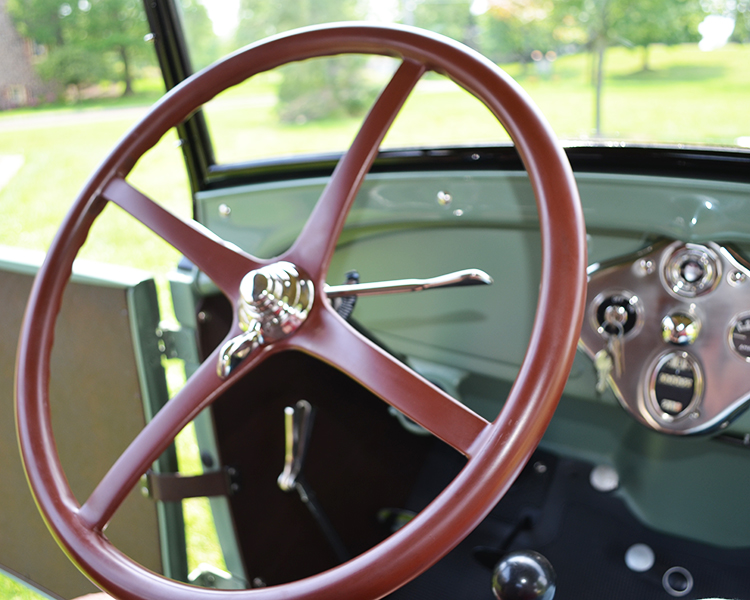
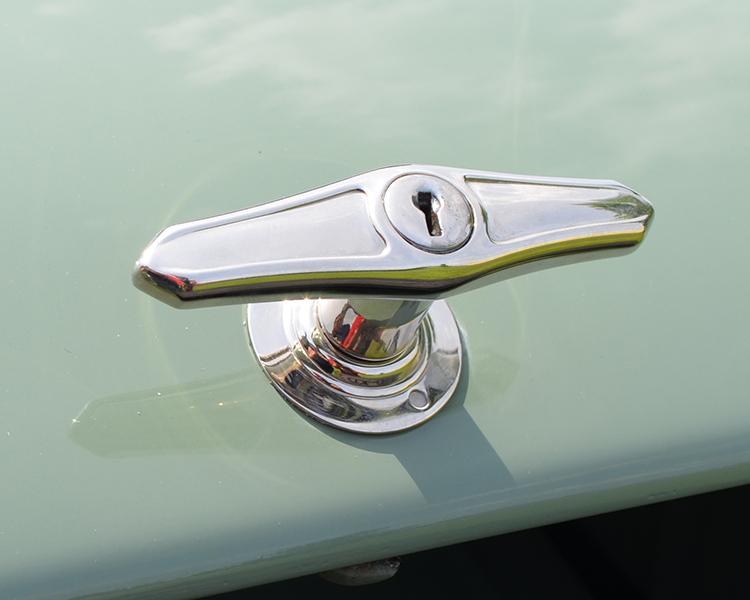
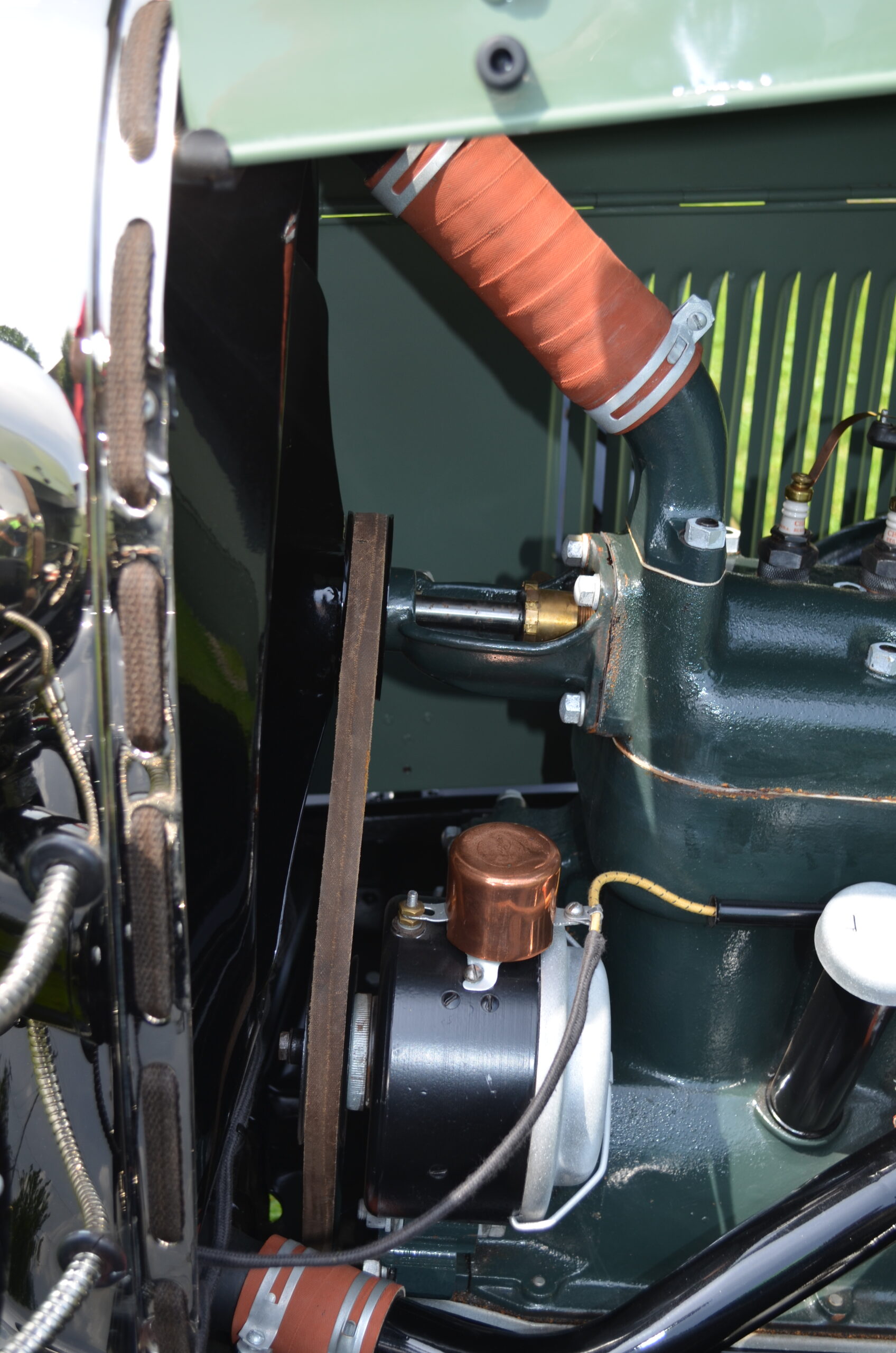
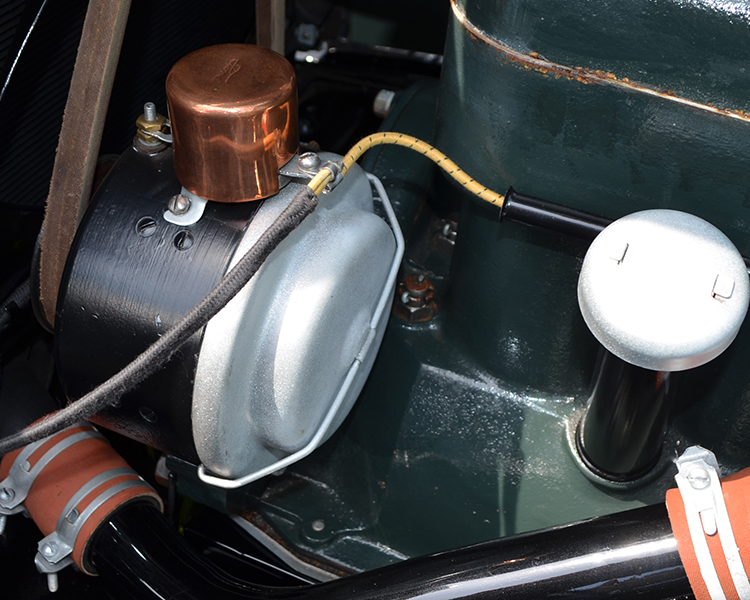
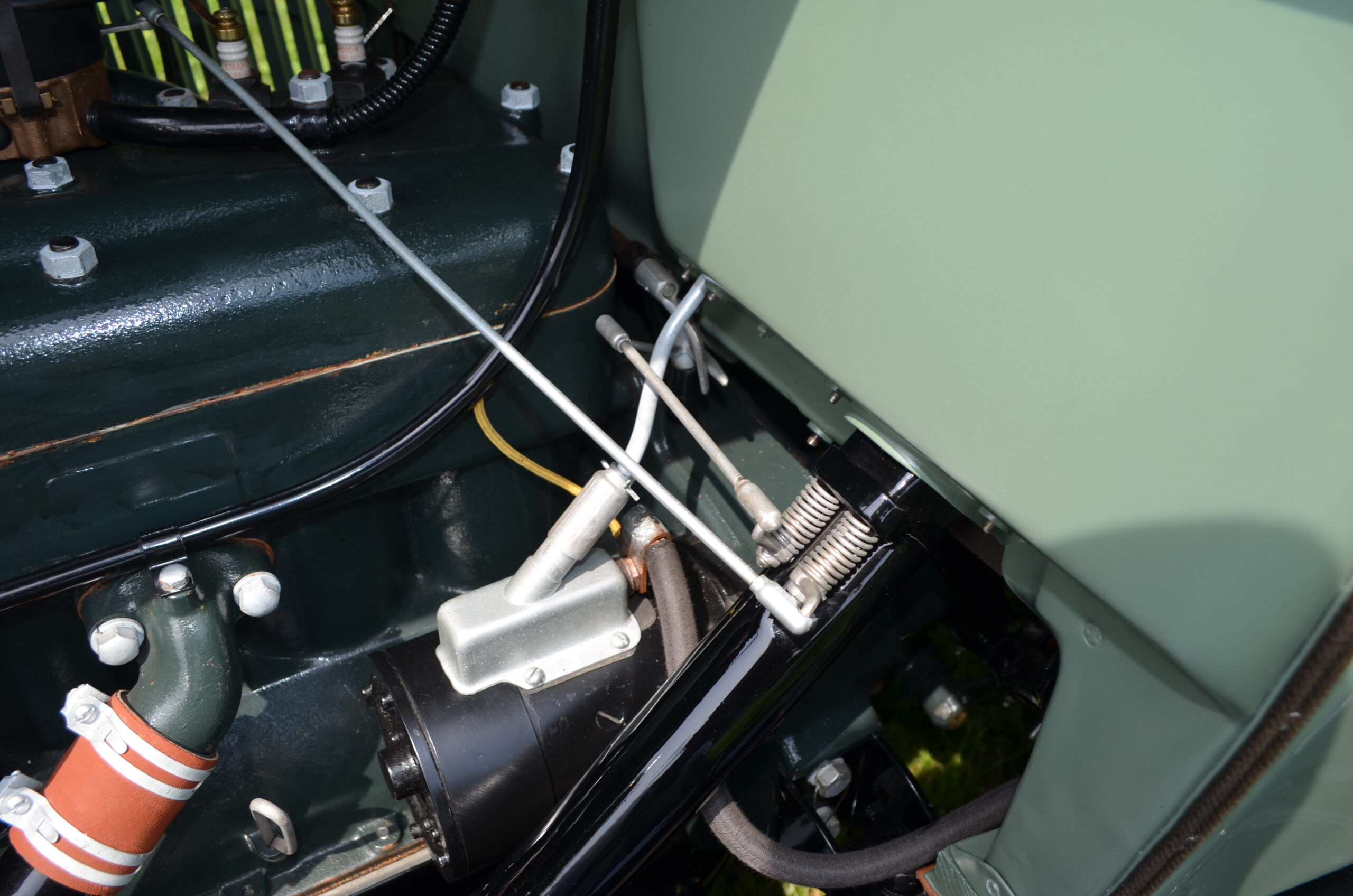
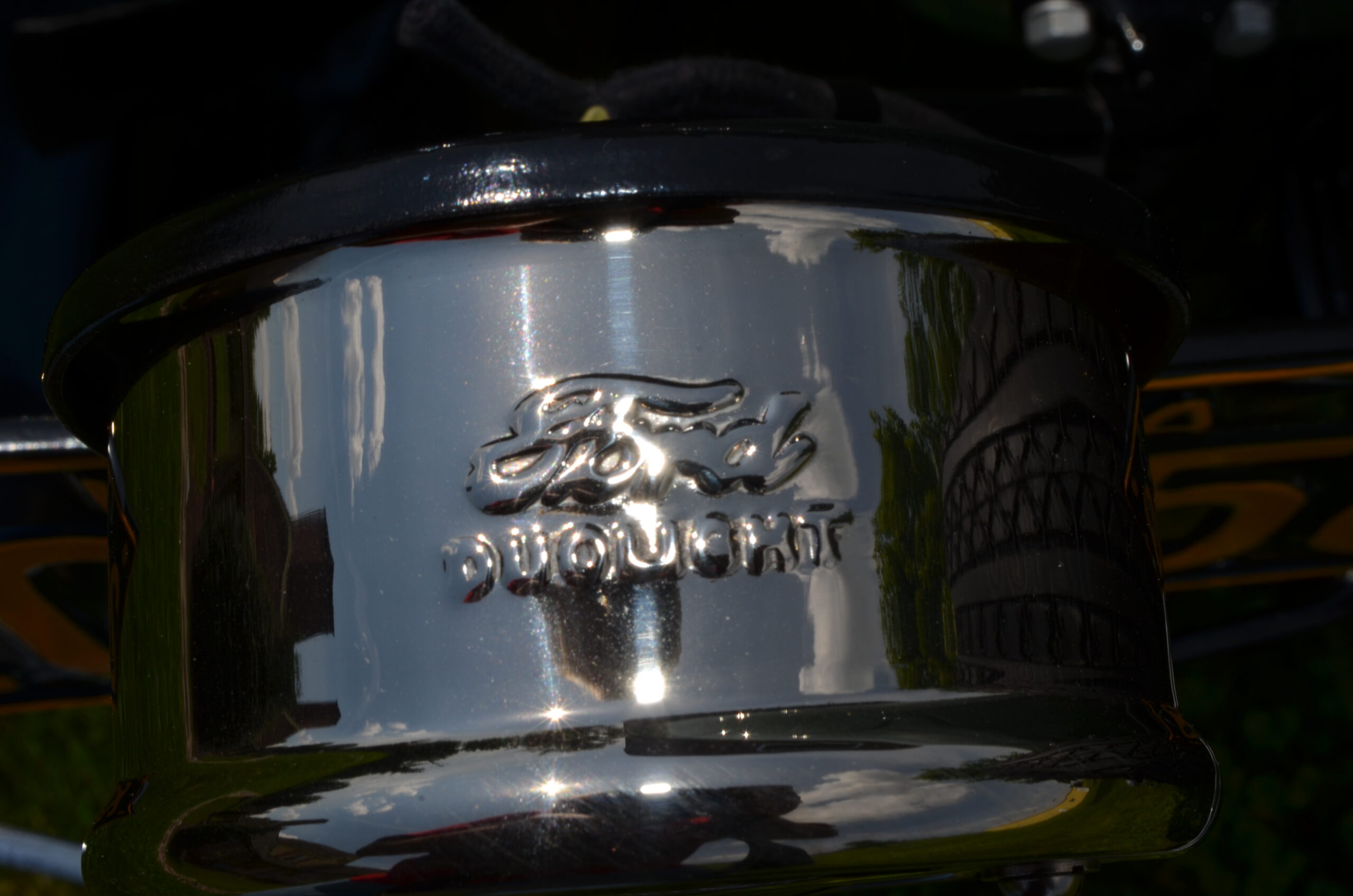
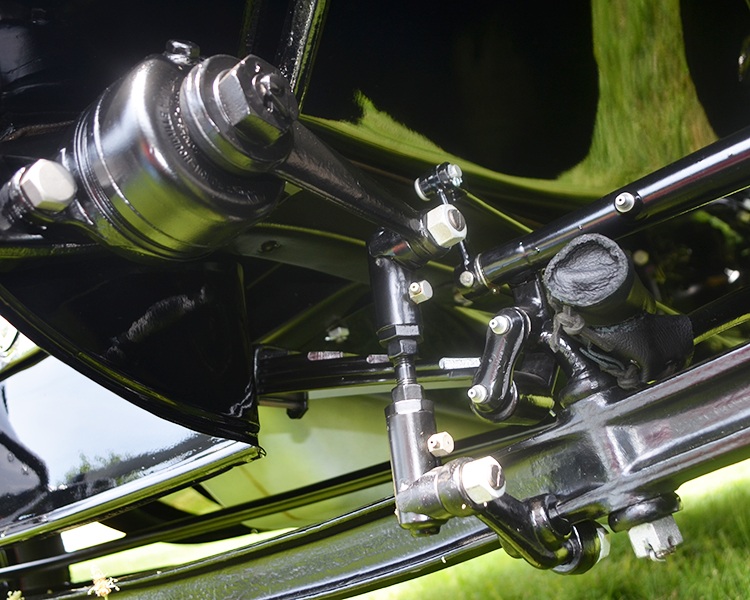
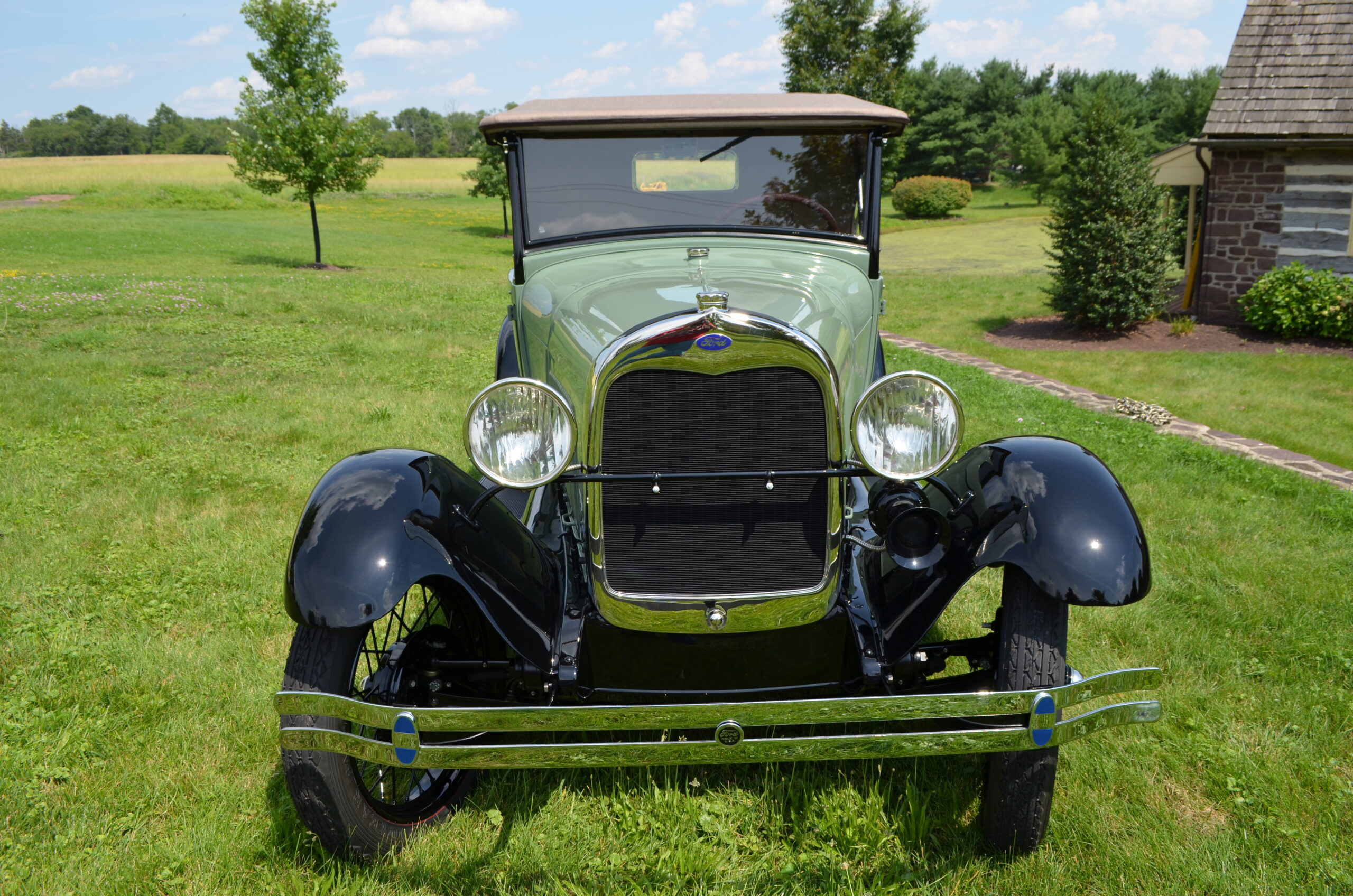
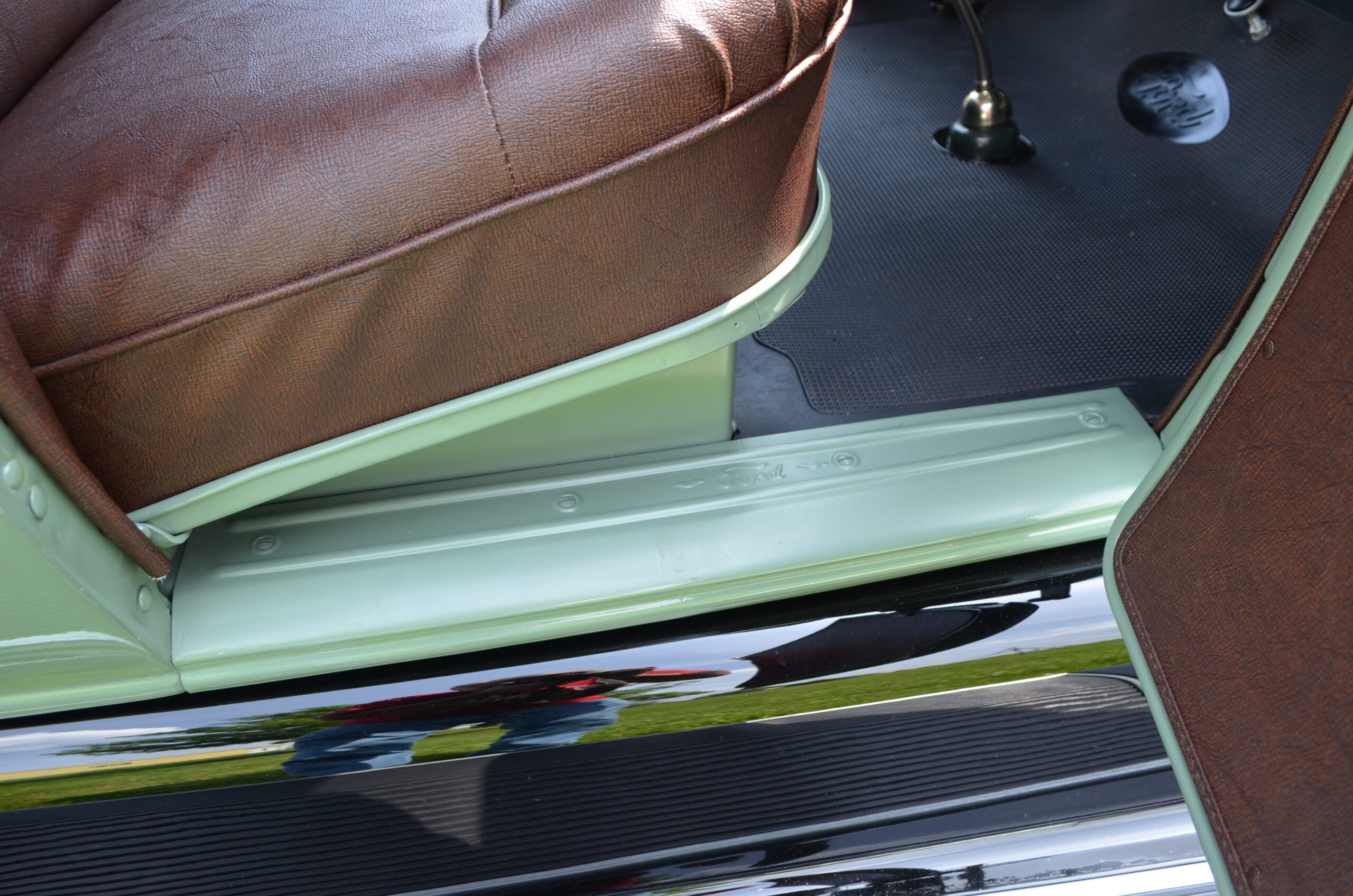
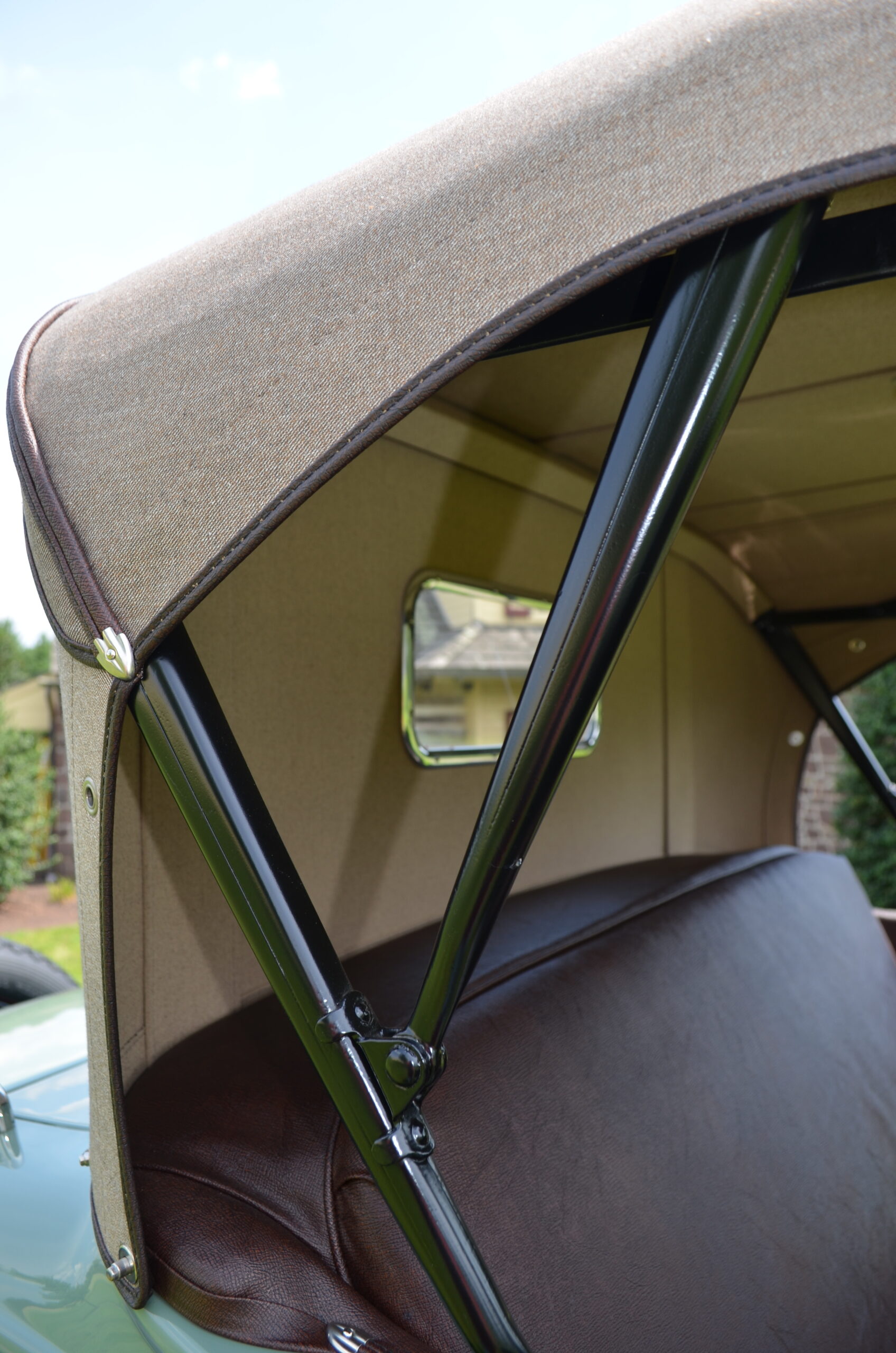
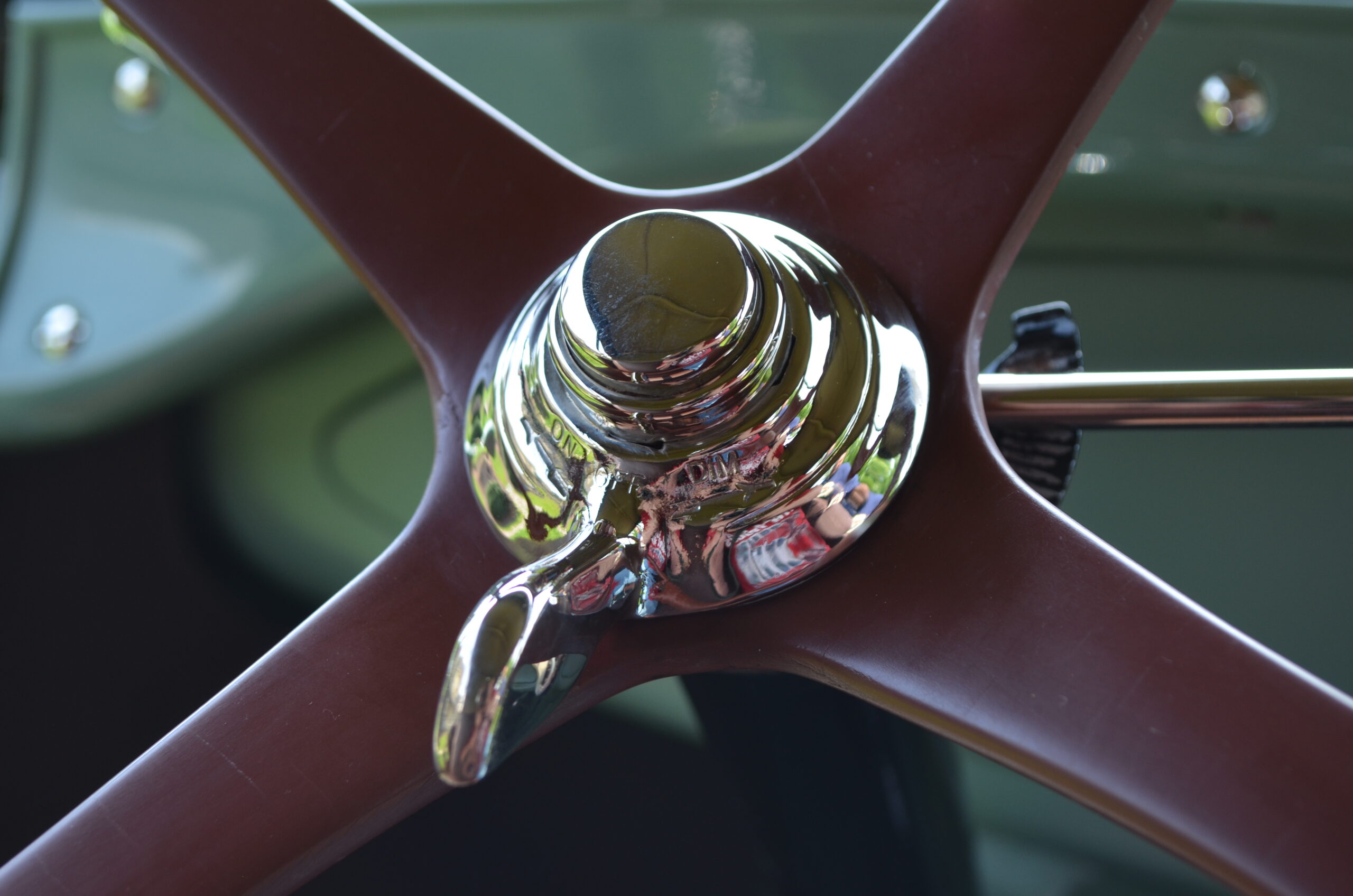
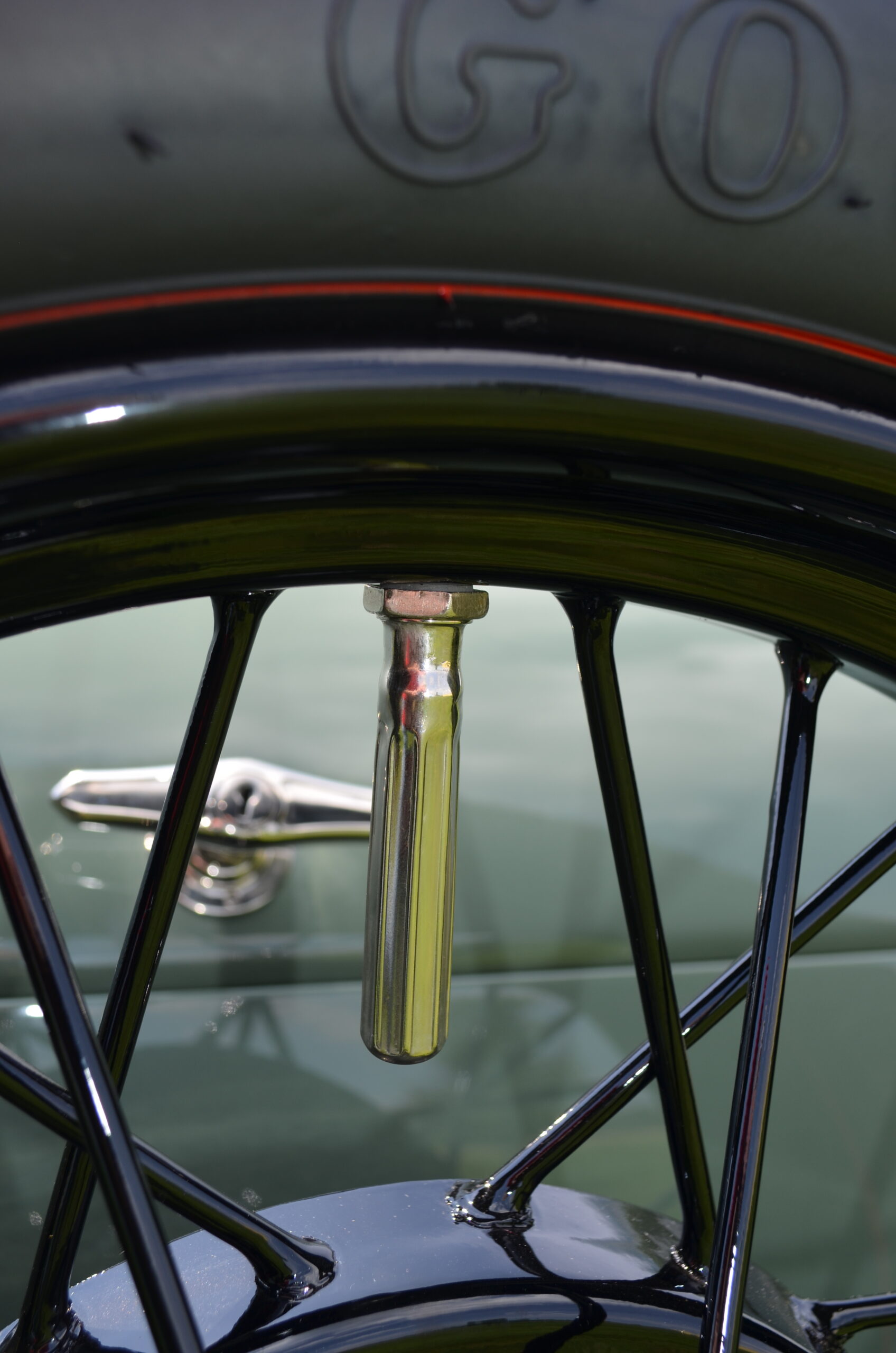
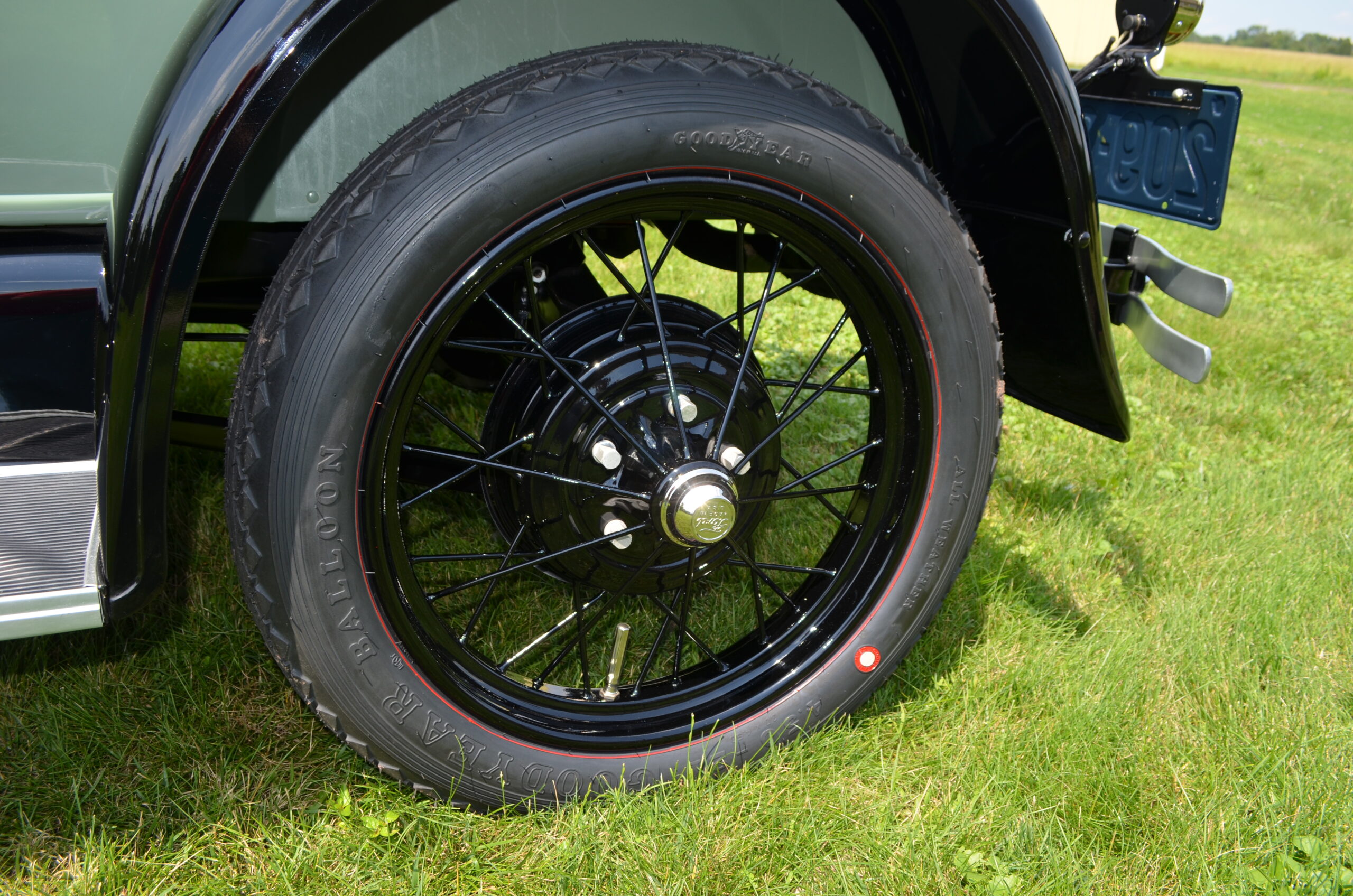
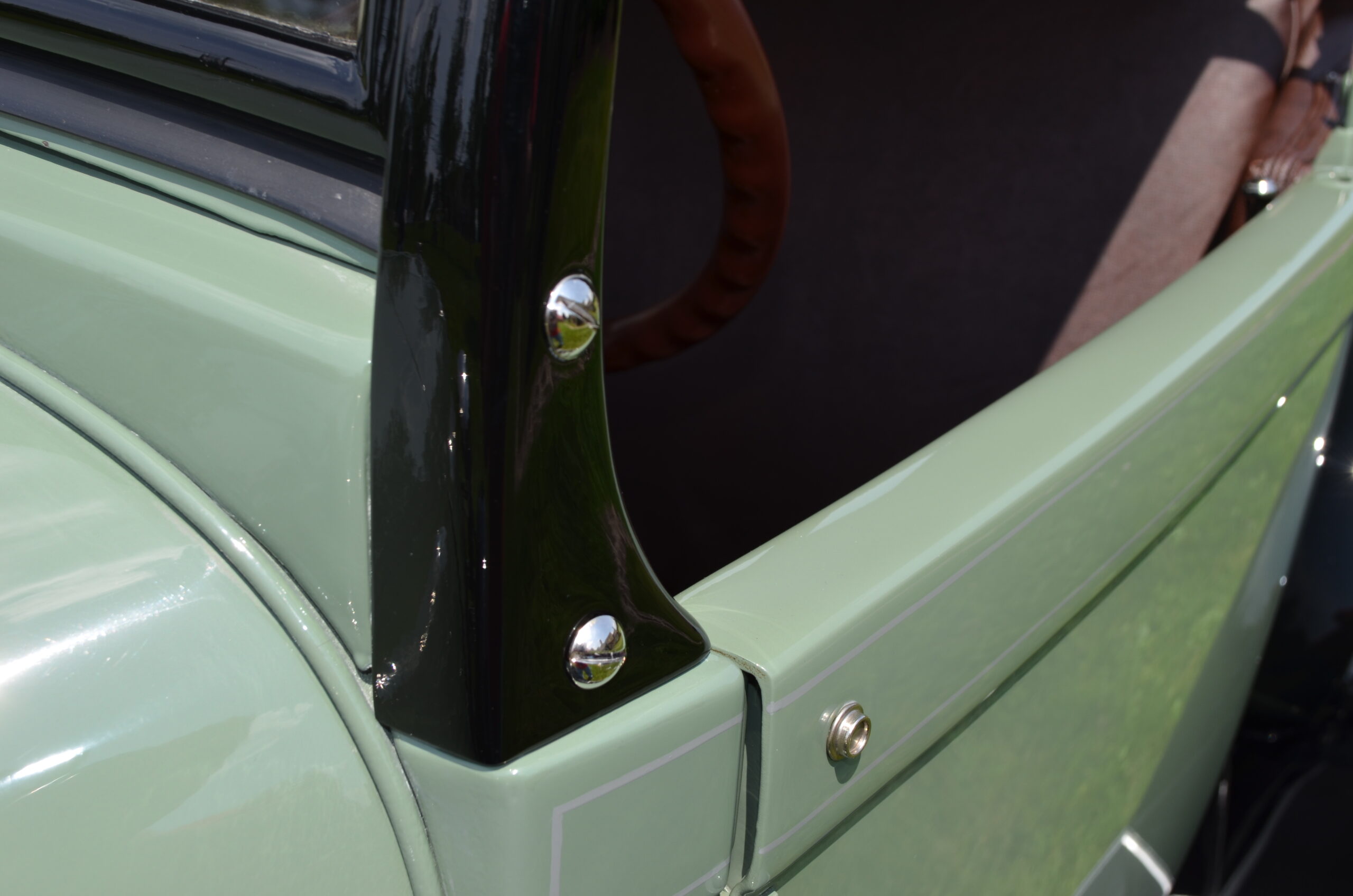
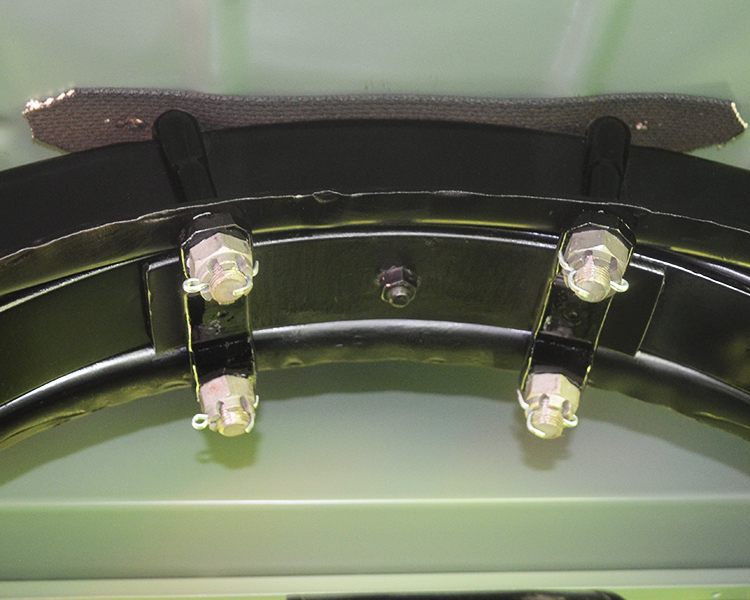
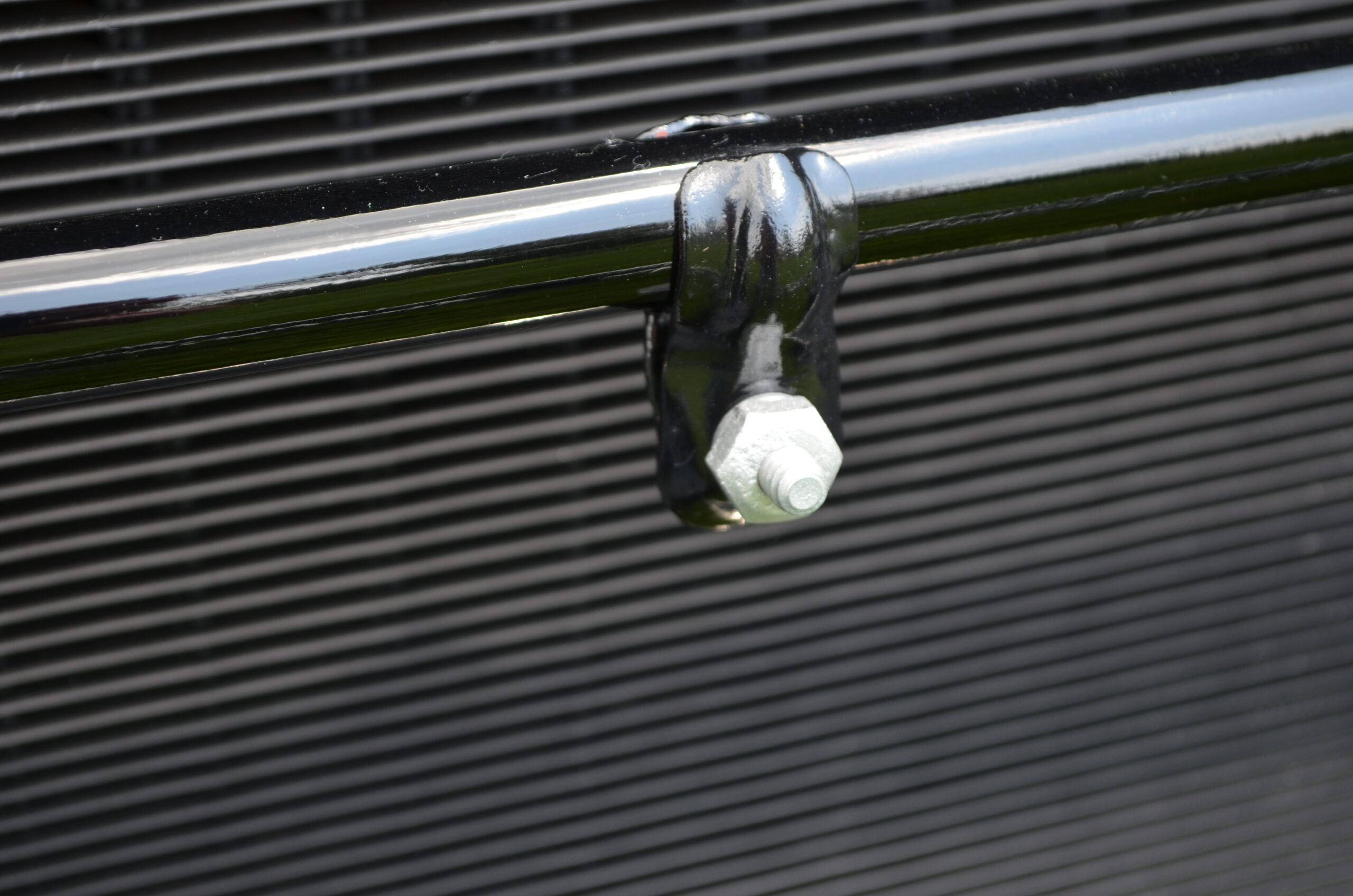
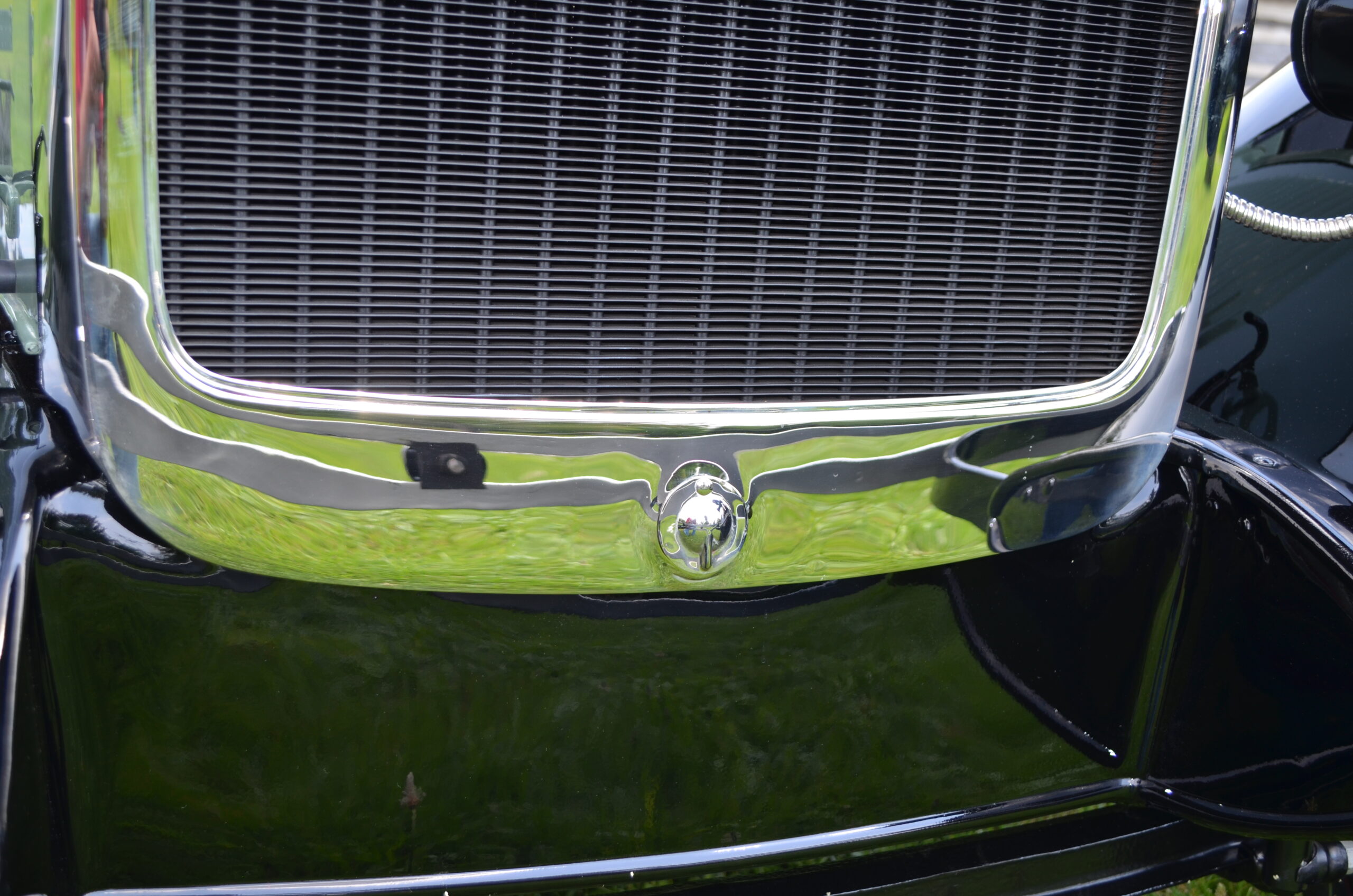
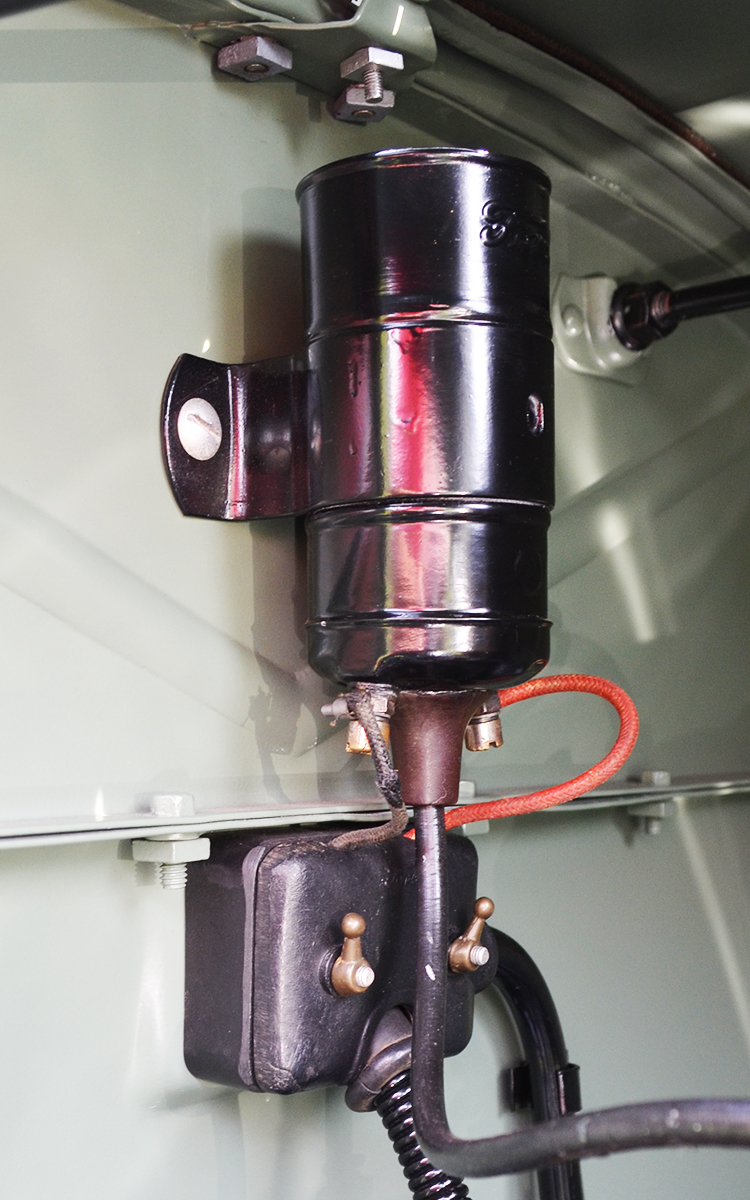
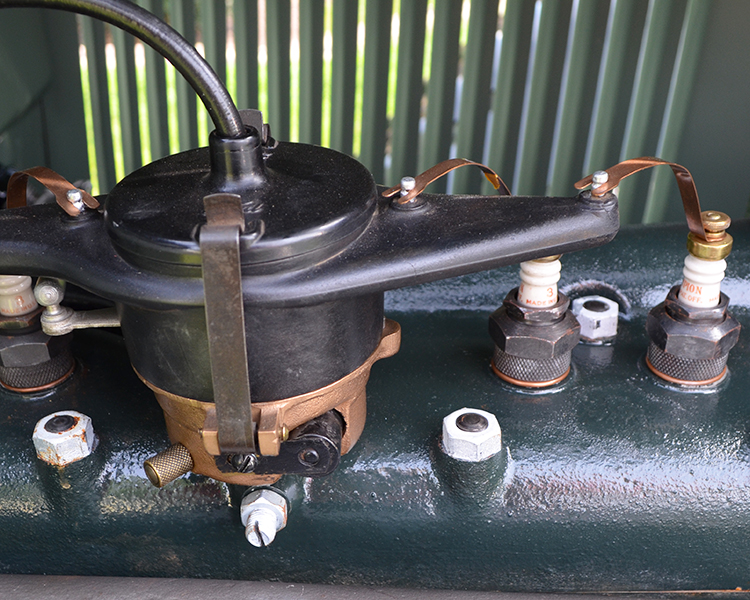
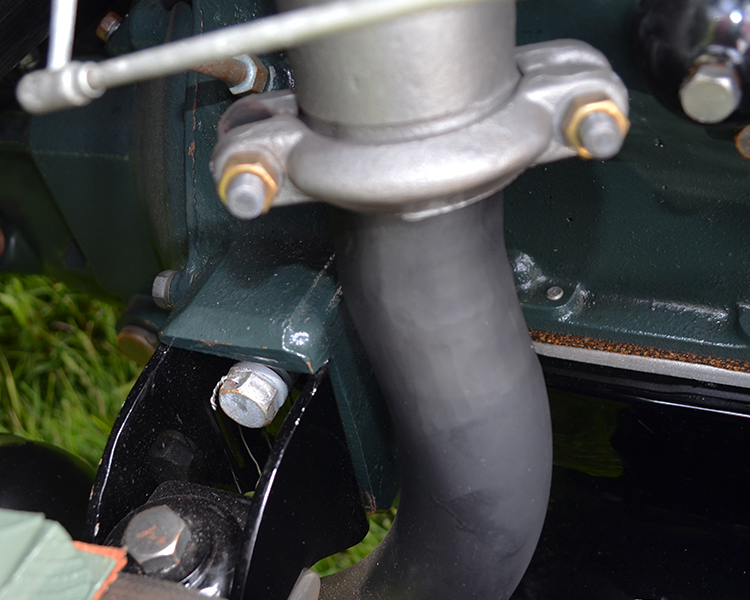
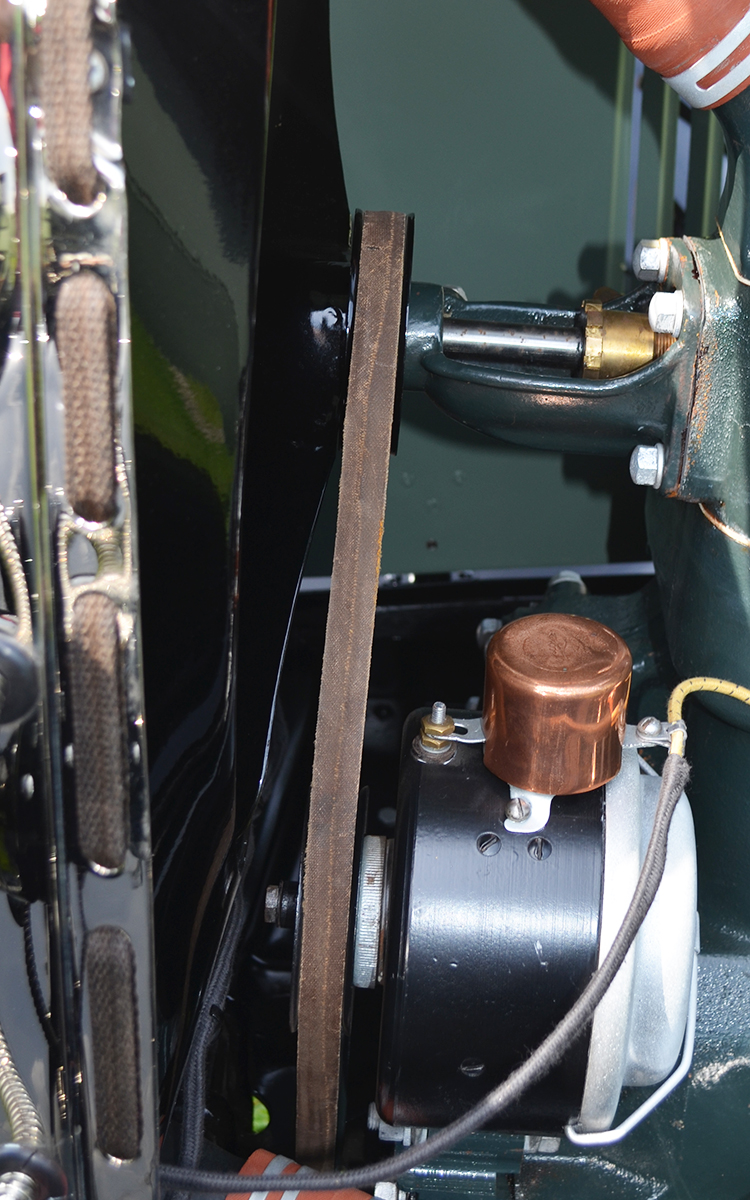
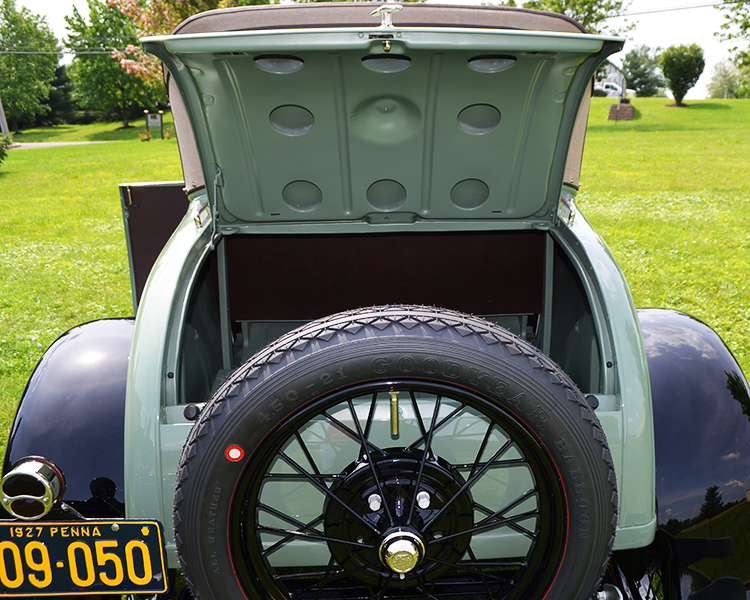
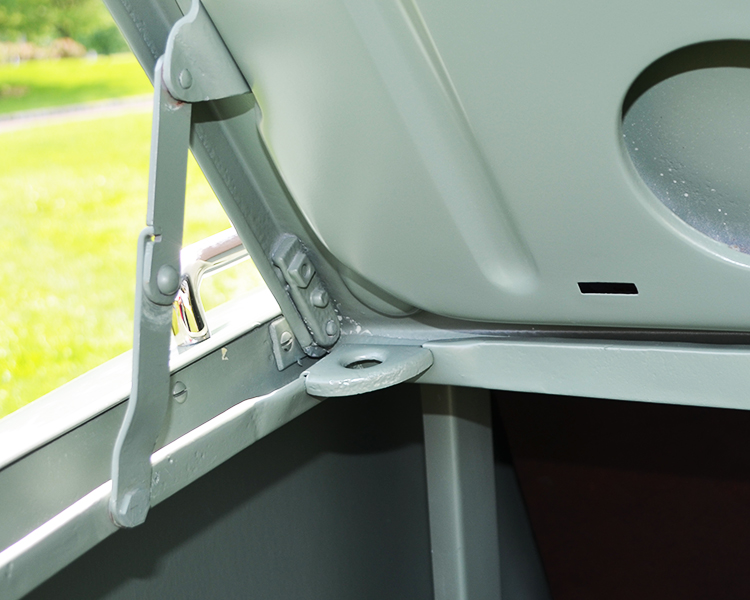
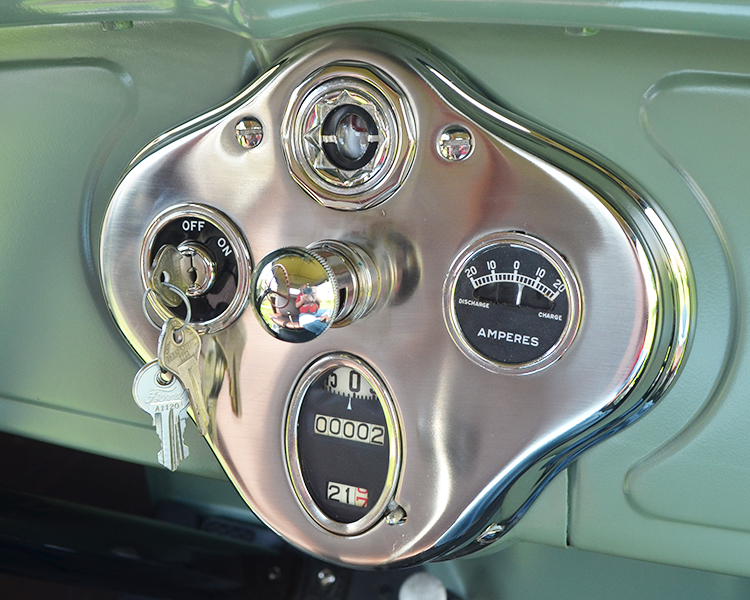
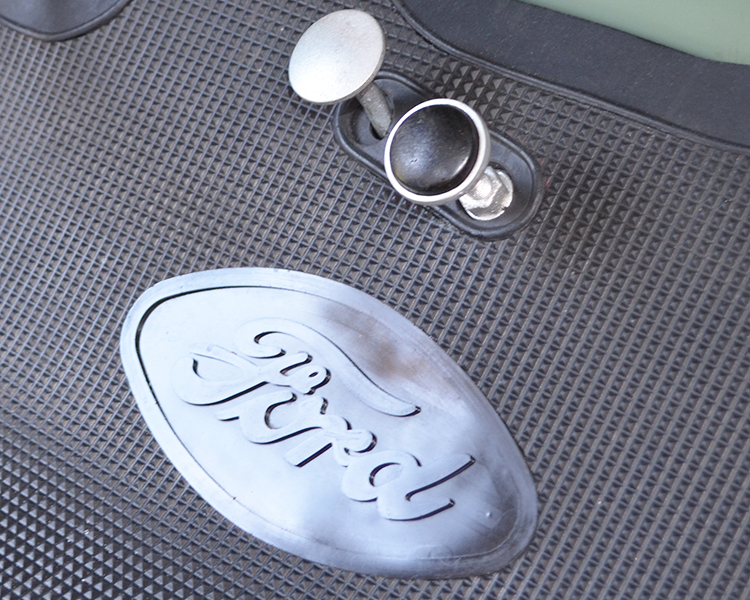
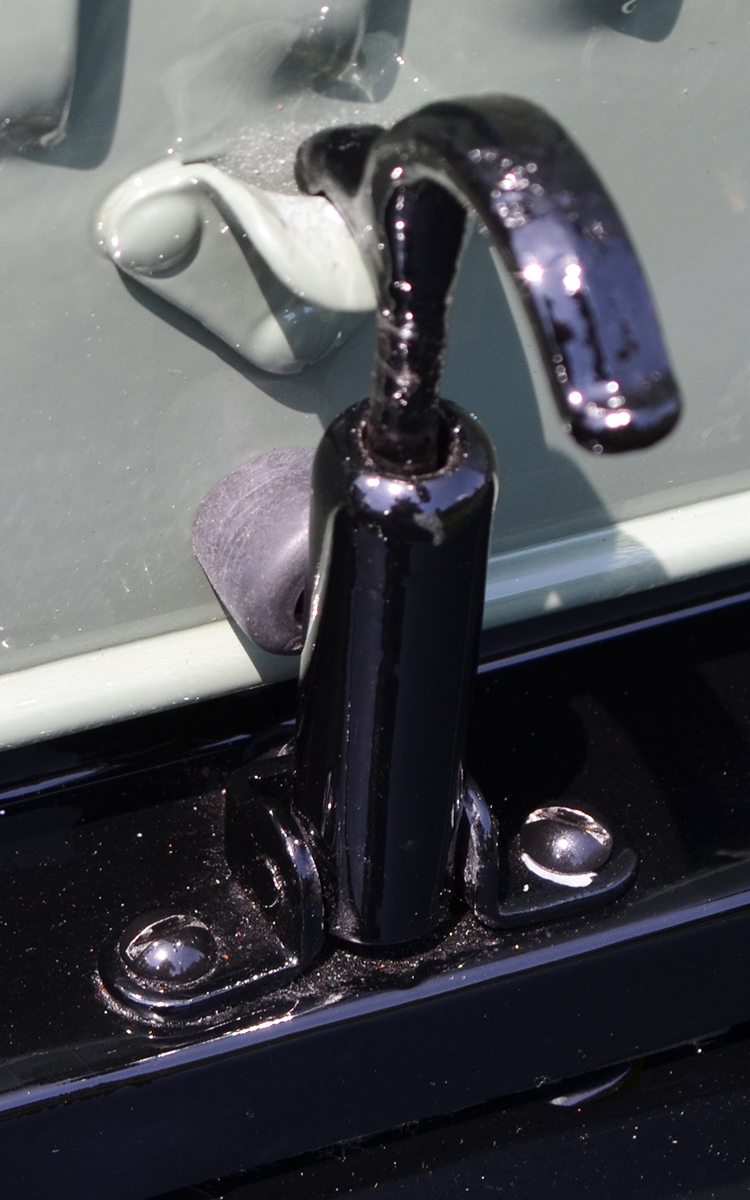
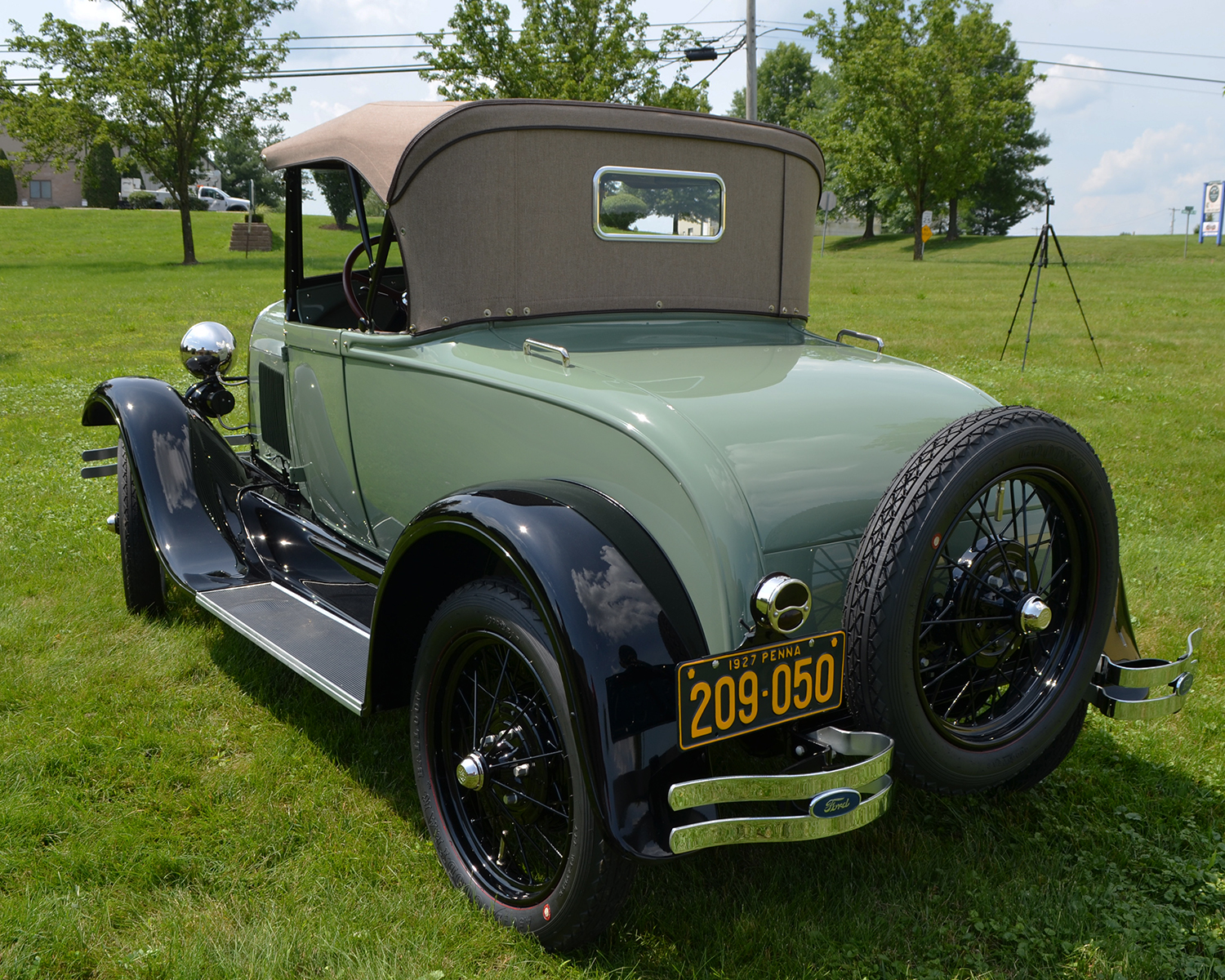
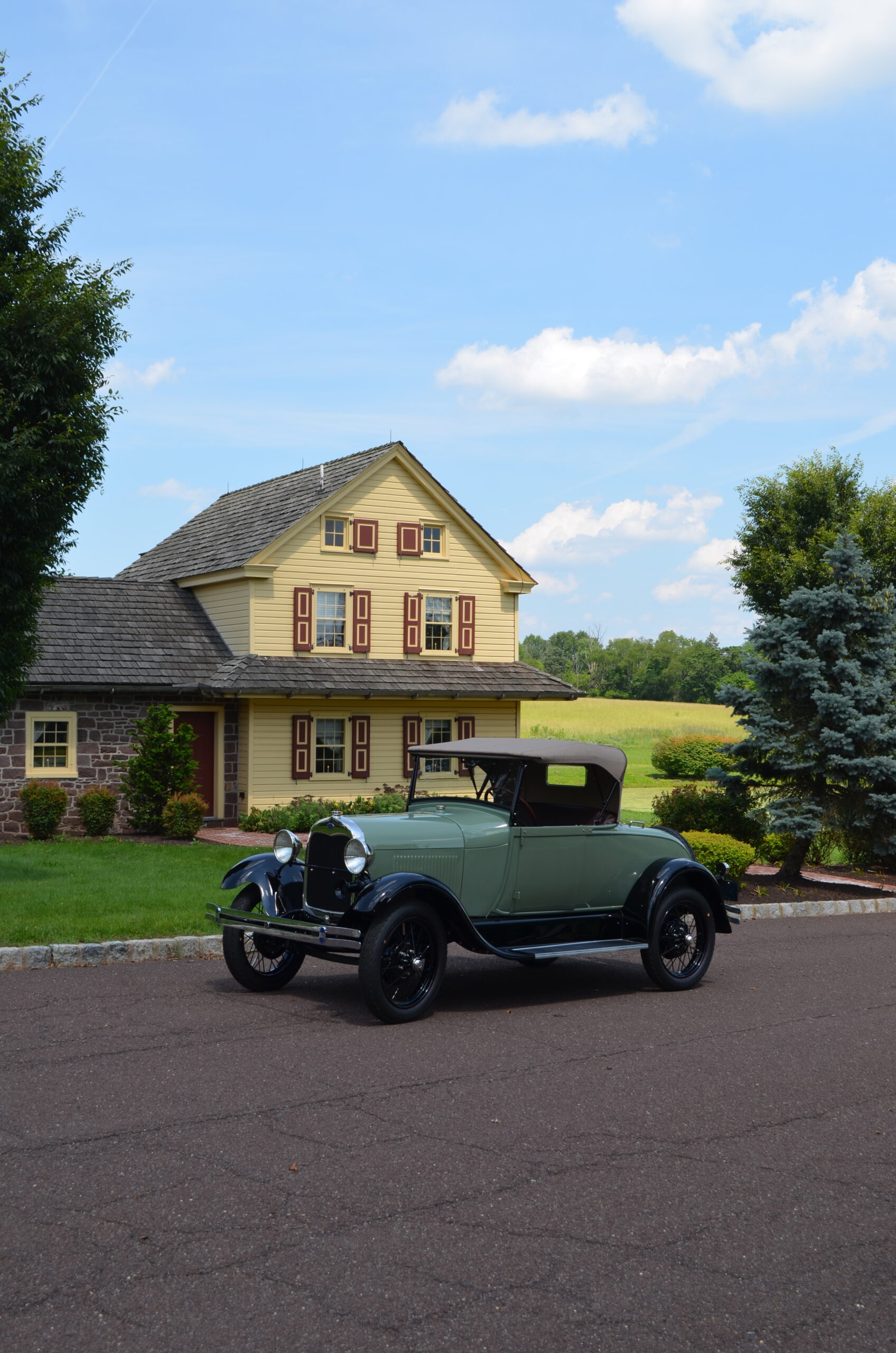
After about six months, it was time to begin to restore it the way it was originally assembled here in the United States during the development time throughout the summer of 1927. Virtually every part of it was different than the production vehicles. This included the straight frame side rails, the three-piece front cross member, the dual spring brackets for brake return, the front and rear bumper braces, and the clamp-on shock absorbers. It certainly was one of the most interesting restorations I have ever done.
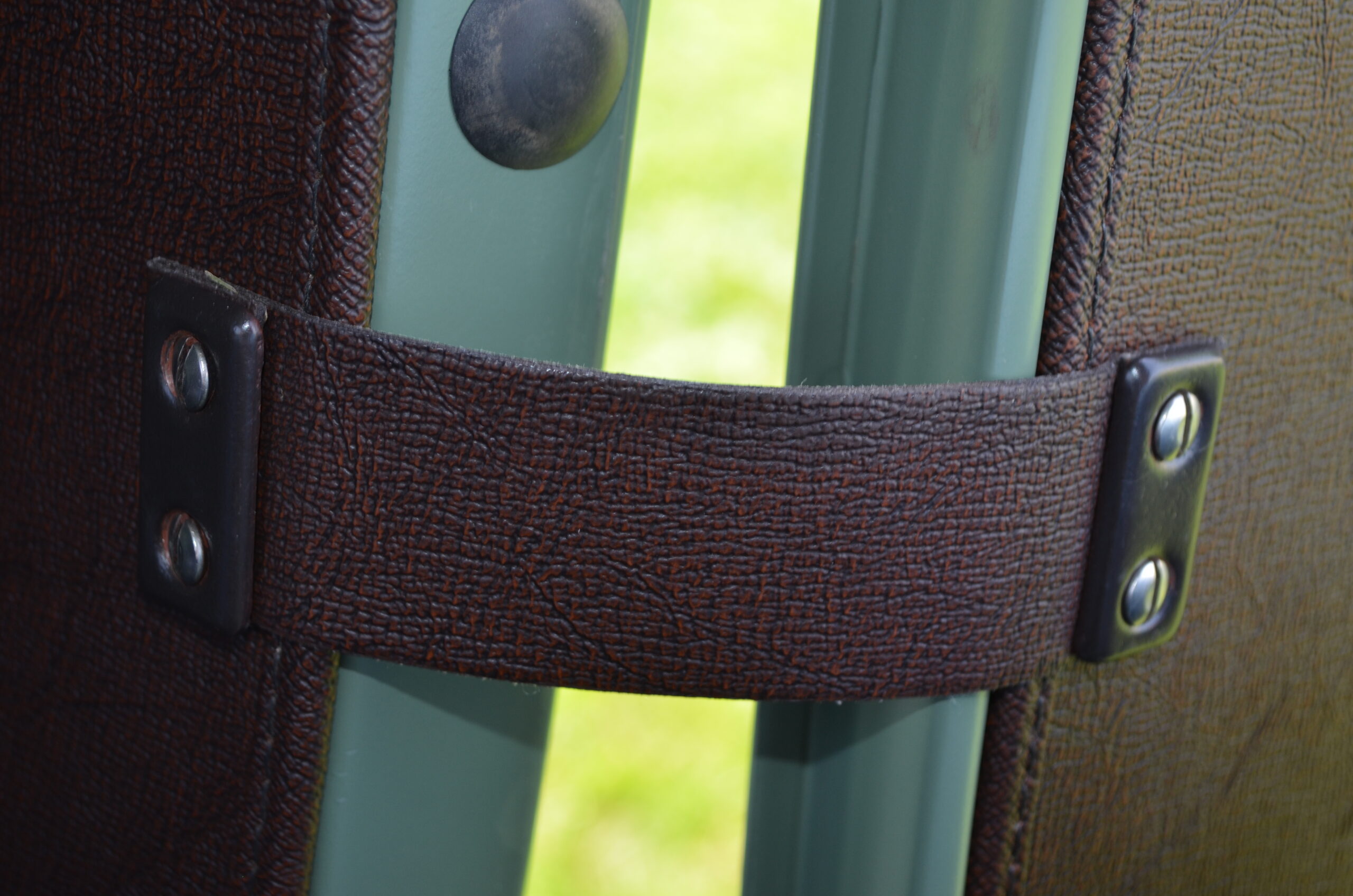
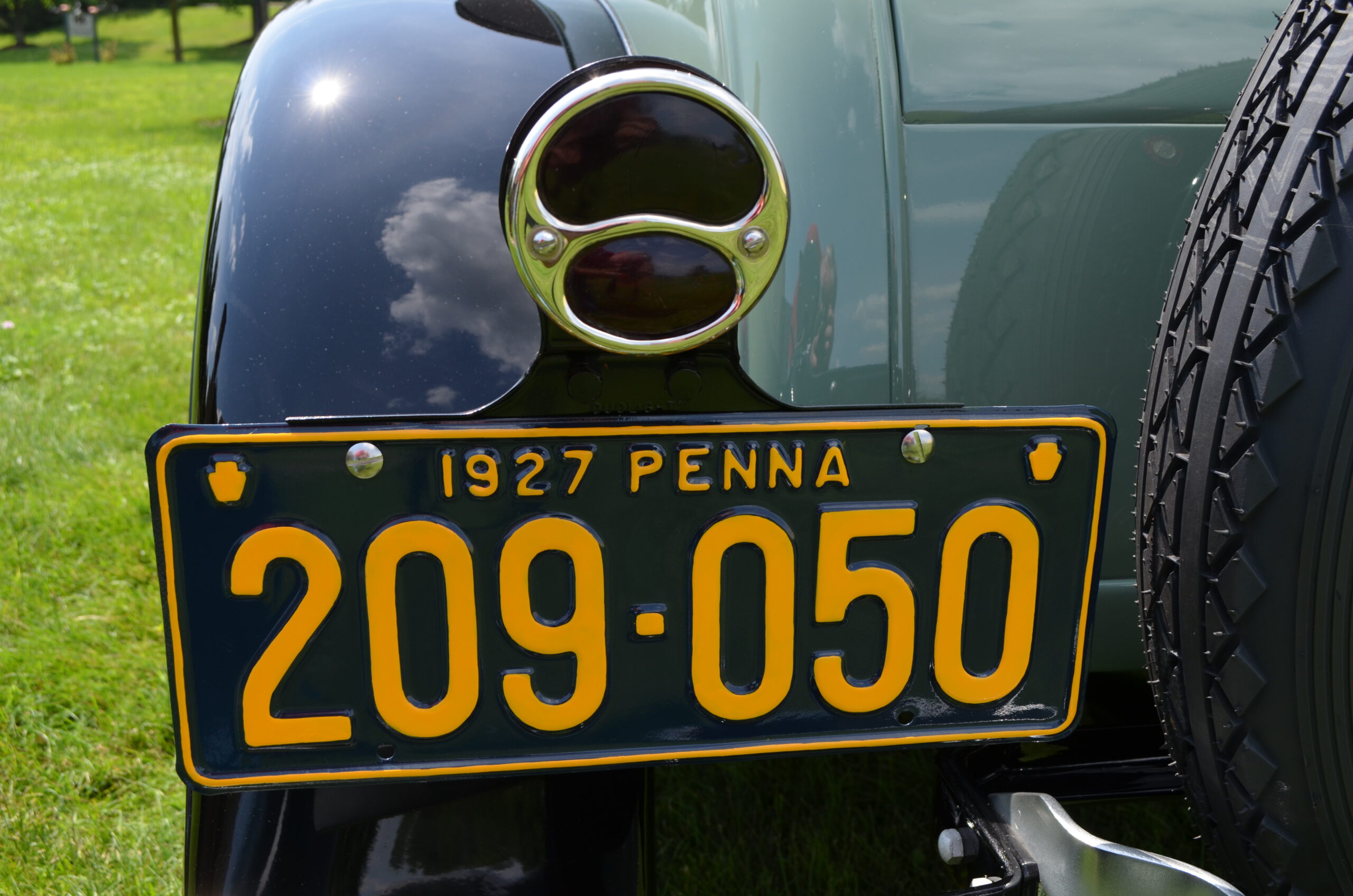
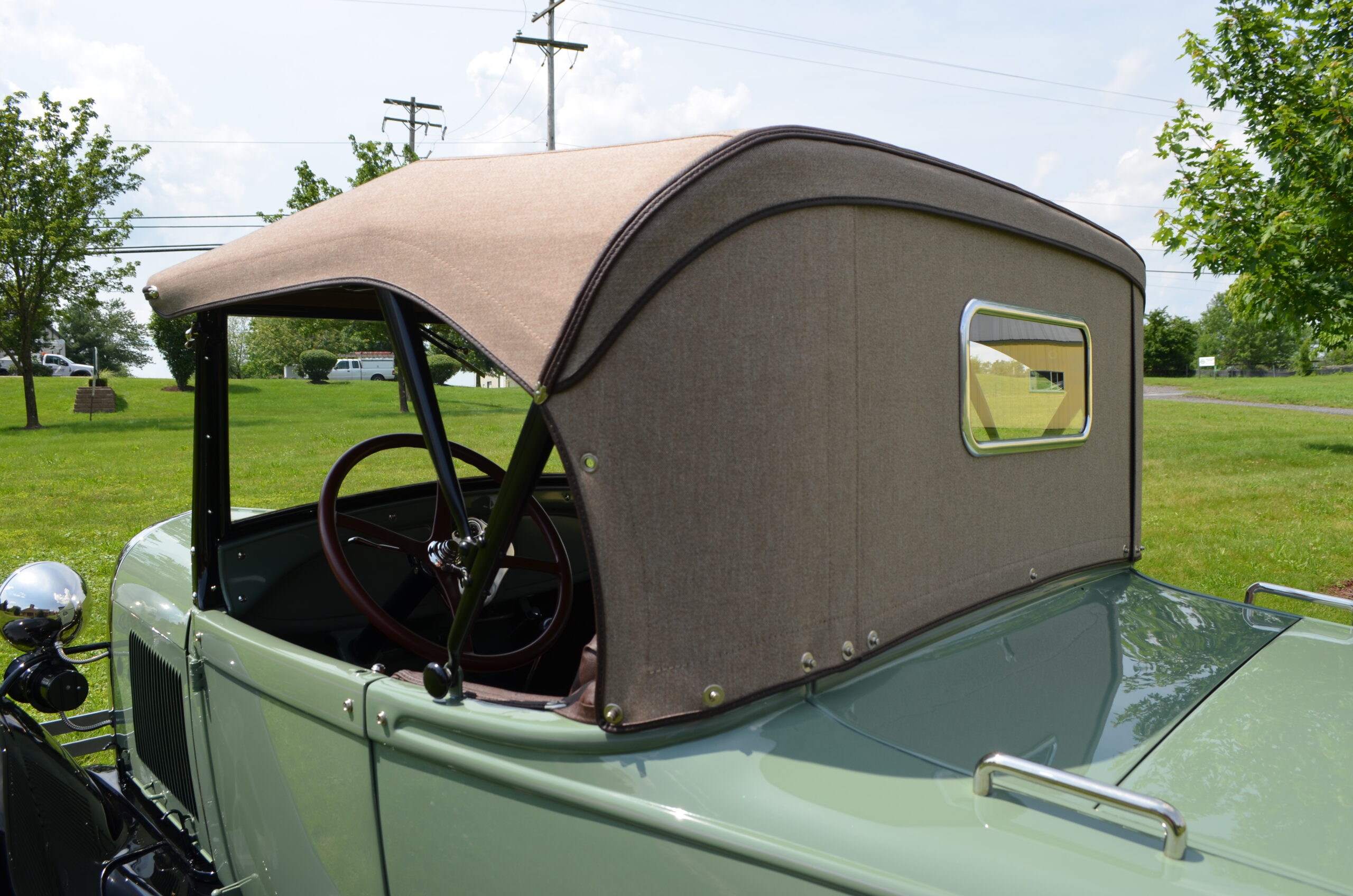
The best part was unlocking the history of the cars that we all love so much. The photos will show so many of the unique differences.
I would like to thank a few of the many people that supported me through this project, Dean Drenzek, Gary Karr, Rob Mills, Don Bivens, Mike Gooding, Bill Sturm, and Bob Ruggiero, as well as everyone else that paid a part in this endeavor.